From "gathering" to "coming together": Learning from HYROX how to create a brand community without relying on advertising costs.
"Why is it that a company's social media presence spread by its customers without any prompting?" I'm sure I'm not the only business owner who has wondered this. Have you heard of the rapidly expanding fitness sport called "HYROX"? It has over 1.5 million participants worldwide and is even being considered for inclusion in the 2032 Olympic Games. Despite doing almost no advertising, participants themselves post race videos and stories of their camaraderie on Instagram and TikTok, and those who see them then take part in the next competition. Watching this cycle, I felt that "this isn't just about fitness, this is about branding." Today, using this phenomenon as a starting point, I'd like to share my own theory on how small and medium-sized businesses can create a brand that "naturally attracts people" without relying on advertising costs.
Why are fitness competitions becoming a "third community for young people"?
HYROX is a fitness competition that combines running and strength training. Originating in Germany, it is expanding in Japan, with plans to hold events at Intex Osaka in Osaka by 2026 and to have 40 affiliated gyms nationwide. It is particularly popular among younger generations as a kind of "third place"—neither work nor family.
What's interesting is that this competition uses a relay format for pairs and teams. Instead of silently chasing records alone, the process of competing with teammates and celebrating together becomes material for social media posts. The expressions during the race, the high-fives after crossing the finish line, the training scenes for the next competition—everything is designed as an experience that people want to share, which is why the participants themselves become the brand's ambassadors. I feel that the essence of future branding is condensed here.
The reality of the "fandom economy"—a market driven by the emotion of liking something.
Originally, "fandom" referred to a group of people who passionately supported specific content, such as idols or anime. However, with the spread of social media, this structure has spread to all industries. Instead of companies unilaterally "enclosing" fans, many companies are now required to shift their thinking to one where they cultivate their brand together with fans, based on their empathy, participation, and communication.
In branding for small and medium-sized enterprises, the key to creating a unique presence without a large advertising budget is said to be finding a "differentiation point" that competitors lack and cherishing a small number of passionate customers who resonate with that point. HYROX didn't attract 1.5 million people from the start. It grew like a snowball as a small community continued to passionately share information. My experience tells me that if you get this order wrong, community building won't work.
From "gathering" to "coming together": Redefining marketing
When I take on marketing support for a client, there's something I always tell them first. It's this idea: "Marketing isn't about running ads or managing social media. It's about creating a system where customers naturally gather."
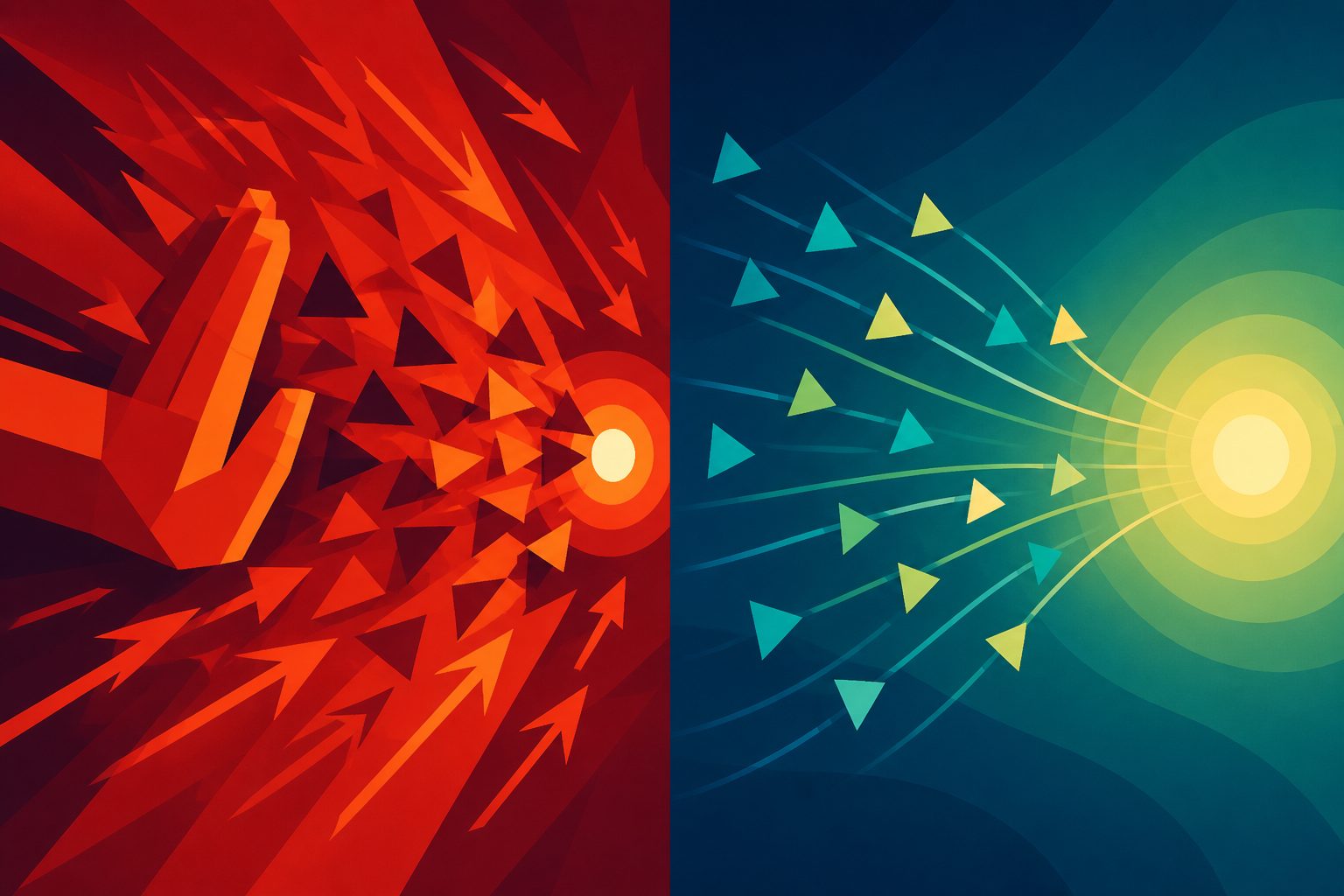
This might sound abstract, but it becomes clearer when applied to the HYROX case. Before running advertisements saying "Come to the event," they designed the experience itself—an experience that participants would instinctively want to tell someone about. The race itself, the atmosphere of the community, the exhilaration after crossing the finish line—everything was planned backward, which is why the spread on social media was merely a result. Starting with social media management as a means to an end leads to misjudging this order.
When we develop strategies, we don't decide on channels or methods first. We first clarify "who," "what," and "why" we are delivering the message, and then organically connect touchpoints such as websites, advertising, social media, and recruitment platforms. I feel that simply following this order makes a huge difference in the amount of enthusiasm generated, even with the same budget. In fact, when we look at data from multiple media using our in-house developed AI analysis tool, we often find a clear distinction between "touchpoints that generate highly engaged fans" and "touchpoints that are simply being viewed," allowing us to determine where to focus our efforts without relying solely on intuition.
The trap that small and medium-sized enterprises fall into: "Trying to create excitement but failing"
On the other hand, I've seen many companies try community marketing, starting with social media campaigns and influencer endorsements, only to struggle to grow. The reason is simple: they decide "what to do" without considering "why they are doing it."
Fans are not people who are mobilized at the whim of a company. They are people who resonate with the brand's philosophy and worldview, gather information on their own, and want to recommend it to others. That's why the first question a company should ask itself is, "Whose feelings and what are we responding to?" If you try to generate excitement without addressing this question, it may become a temporary topic of conversation, but in my opinion, it's unlikely to lead to sustained enthusiasm.
In our experience advising clients, we frequently hear comments like, "We want to strengthen our social media presence, but we don't know what to post." Upon further discussion, we often find that, even before considering post ideas, the fundamental question of "who are we trying to reach and what message are we trying to convey?" hasn't been clearly articulated within the company. Before refining the means (social media), you need to solidify your objective (who are you trying to reach, and what are their feelings/feelings?). I believe this reversal of order is a common thread in unsuccessful community initiatives.
Enthusiasm is not a "miracle," but something that can be "designed."
When I interact with clients, what I value most is thoroughly articulating "why we are doing this." Instead of rushing into things with a vague image, I clarify the gap between the ideal state and the current situation, and then work backward from there to design each point of contact. It may seem like mundane work, but I believe that this accumulation of effort is what, in retrospect, is what we call a "passionate community."
HYROX didn't suddenly become a sensation. It's the result of meticulous planning by key figures who have been involved in the fitness industry for many years, from creating the rules of the competition to fostering a positive community atmosphere. Rather than flashy advertising, it's about accumulating small successes that make each participant think, "I want to come back," and "I want to tell someone about this." I believe this is the most reliable path for small and medium-sized businesses to grow their brands, even though it may seem like a roundabout way.
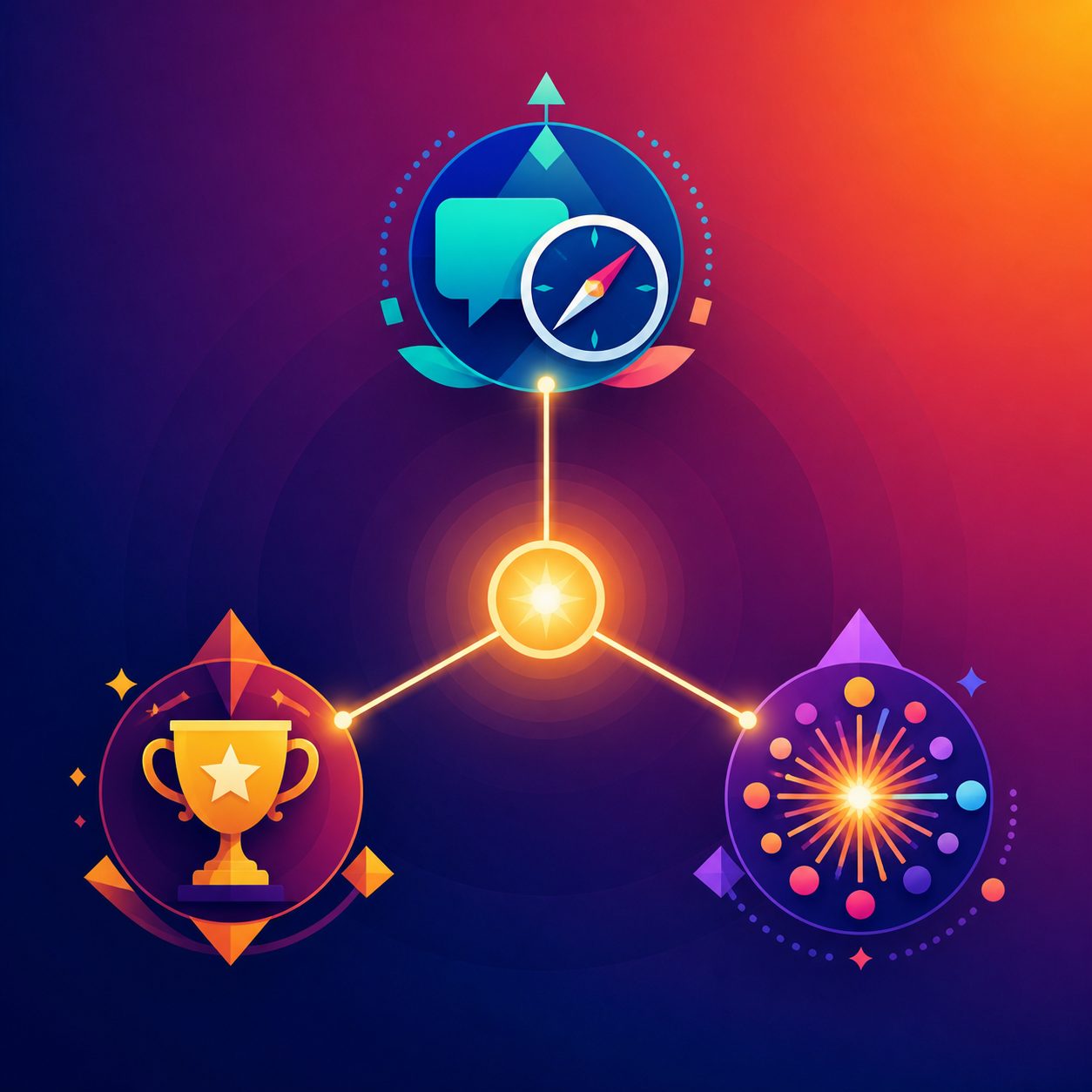
I believe there are three essential perspectives for designing a passionate community.
Being able to explain in unison within the company whose feelings and what kind of needs the brand is addressing.
Providing small successes and touchpoints that make customers feel like they are a part of the community.
The goal isn't to get it to spread, but to create an experience that people will want to share.
These three points aren't particularly unique ideas. However, when you're caught up in daily tasks, you tend to start by thinking about "what to communicate." That's why I feel, and I say this as a reminder to myself, that business leaders need to regularly review this order.
summary
There are brands that attract people without spending on advertising and brands that don't, even with advertising. I believe the difference lies not in talent or timing, but in how thoroughly they've designed "who they're reaching, what they're delivering, and why." If you feel that your brand, recruitment, or marketing isn't spreading despite your efforts, it might not be a matter of quantity, but rather a sign that the order of your design is wrong. This process of articulating the "why" together is surprisingly difficult to do solely within the company, and we ourselves gain hints every day through dialogue with our clients. I hope you'll take this opportunity to re-examine your own brand from this perspective.
After starting his own business at the age of 26, he has over 20 years of management experience in the design and branding fields. In 2016, he moved with his family to the Philippines and established a local IT outsourcing company, leading its global expansion. Currently, as a "GLOBAL BRANDING AGENCY," he supports the growth of companies while also actively working on organizational reforms within his own company. Based on the real-world struggles and firsthand information he has faced in organizational development and overseas management, he shares practical branding and organizational theories that are thoroughly aligned with the perspective of business leaders.