


BLOG
Blog

With the easing of overseas travel restrictions, it's become easier to travel abroad compared to before.
In fact, the number of foreign visitors to Japan in 2022, exceeding 3.8 million, was more than 10 times higher than in 2021.
Still, compared to before the COVID-19 pandemic in 2019, it's down 88%, so there's still a long way to go.
I wonder how much it will grow in 2023. I'm curious.
Speaking of overseas, our company has a subsidiary in the Philippines, and we were in a difficult situation due to a sudden lockdown during the COVID-19 pandemic.
It's a country where the president might suddenly say, "No going out starting tomorrow!"
Even the Philippines, by meeting certain conditions such as vaccination, has become accessible without particular restrictions.
And at the end of last year, we were able to visit LionHeart with both Ichikawa (Chairman) and Nagasawa (President) (it felt like "finally!").
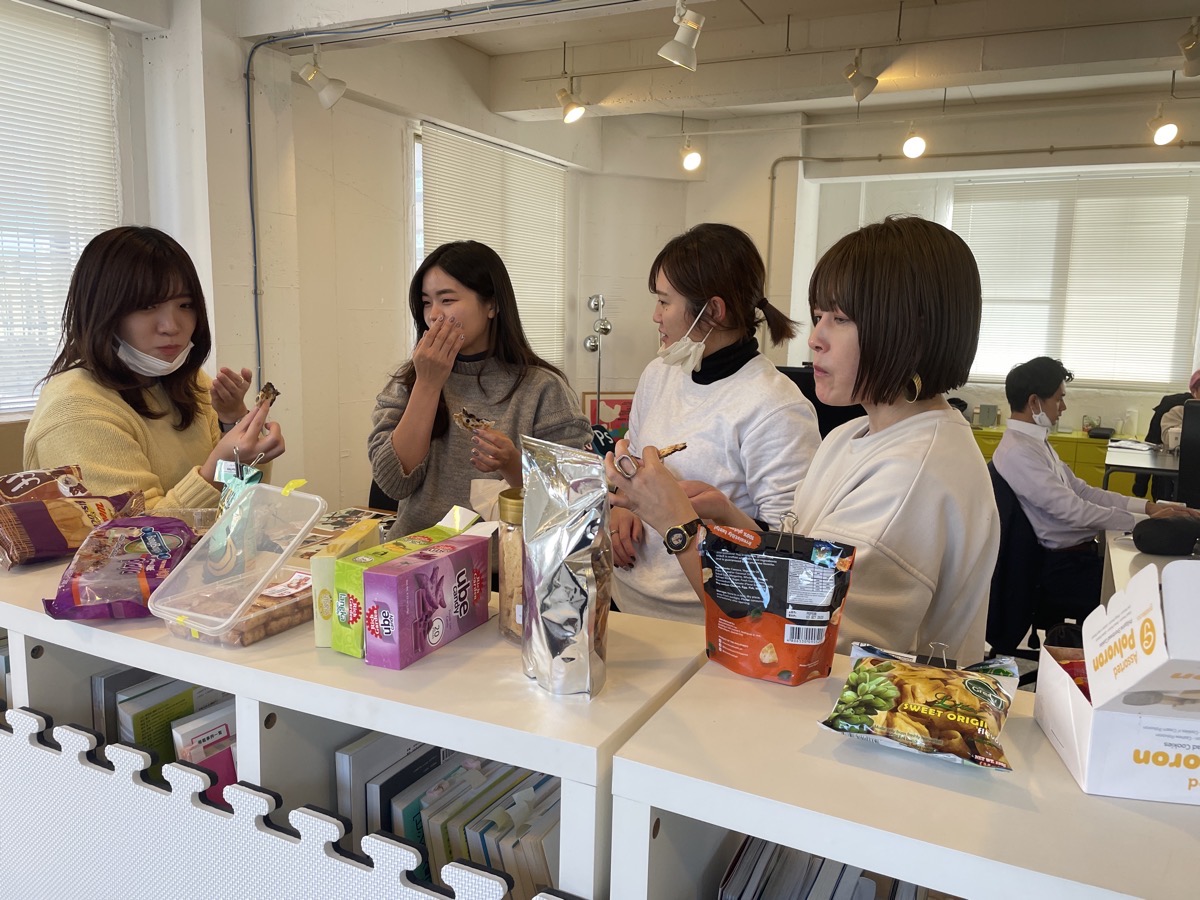
Every time I go to the Philippines, I bring Japanese snacks as souvenirs, but this timeSurprise "Reverse Souvenir Gift" from Filipino StaffI have decided to accept it.
It seems they've selected and prepared local specialties (sweets) from each staff member's hometown.
In the Philippines, there are few job opportunities in rural areas, so many people come to the cities for "domestic overseas work."
Among our staff, there are some who stay with relatives living in the city center on weekdays, commute to the office, and then spend several hours traveling back to their parents' home on weekends. By the way, there was one of our staff members who had to take a boat for two days to get back to their parents' home.
With that background, because we have staff from various regions, the local specialties they bring also vary widely.
Since the Philippine corporation has more than 10 staff members, the volume is quite substantial.
I was so worried on the flight home that I might exceed the luggage weight limit. (sweat)
Souvenirs that made it back just under the weight limit.
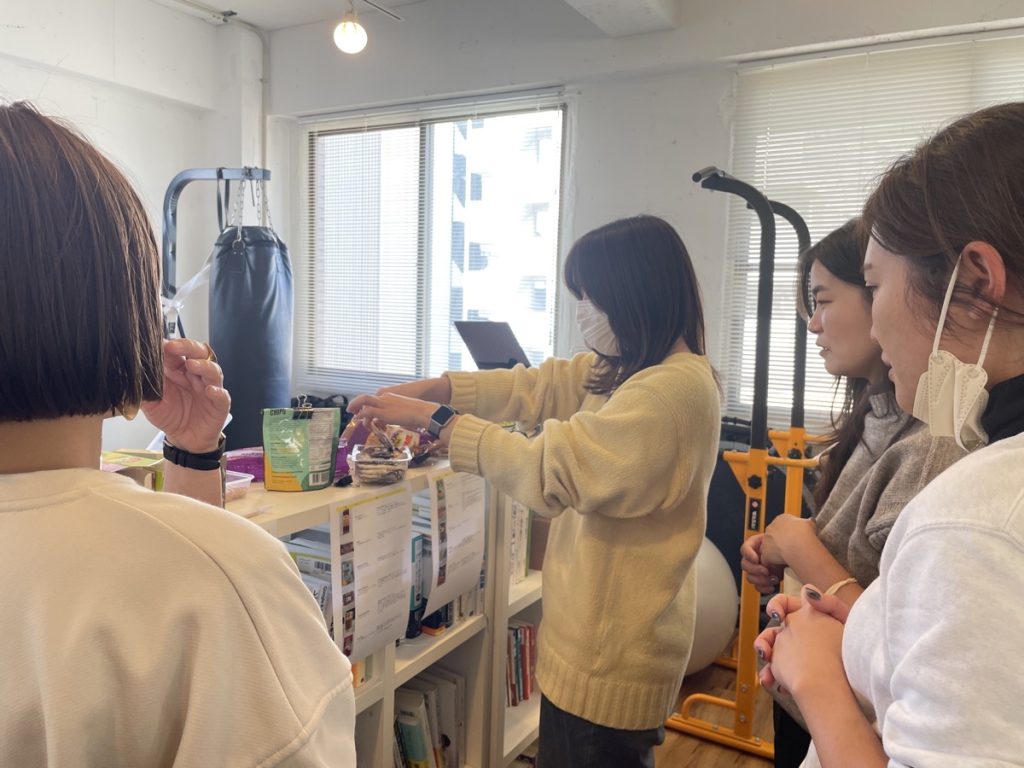
Since it's a great opportunity, [let's have] a tasting session with all the staff of the Japanese corporation.We planned an event to do
A tasting session with a description of each souvenir, along with the name and photo of the Filipino staff member attached.
It will also serve as an introduction to our Filipino staff, and will also help with subsequent communication, such as "I ate that."
And, we compiled the impressions of the food in a Google Form, and conducted a popularity poll to see which snacks appealed to Japanese palates.
Food cultures differ from country to country, and naturally, so do tastes.
In the Philippines, sweet spaghetti is served, and Japanese people are sometimes surprised by it. Conversely, I thought that Filipinos might be surprised by the differences in taste with Japanese people.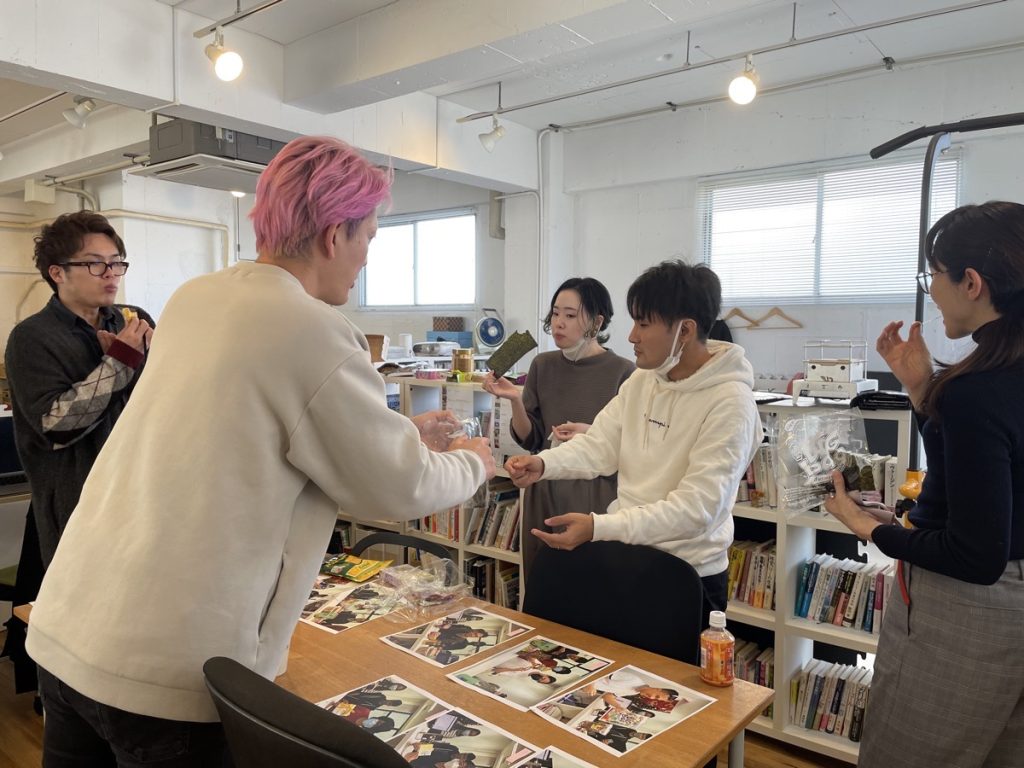
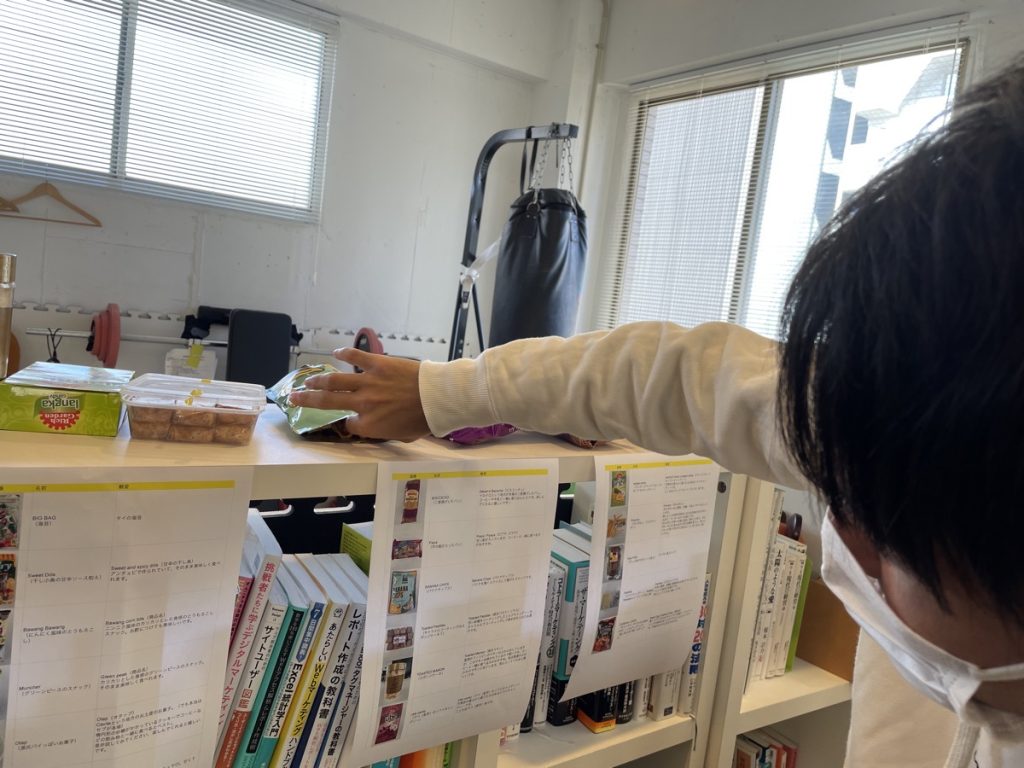
The voting results were as follows.
Although this is just our internal evaluation, we hope it will be helpful for those who are wondering, "What are good Filipino souvenirs that suit Japanese tastes?"
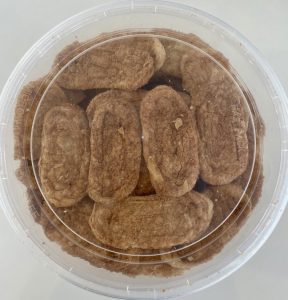
A thin pie with oval-shaped sugar on top.We were overwhelmingly number one.Light on the sweetnessCrispy texture.
It's not oily like pies you eat in Japan at all; I could eat so many of them.
I'll look into this.It's famous as a classic souvenir, isn't it?
I can see why it's popular.

It's made with anchovies, and its sweet and savory flavor is easy for Japanese people to accept.
I feel like drinking alcohol.
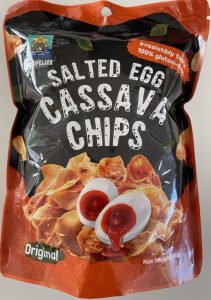
A crispy snack made from thinly sliced, fried cassava with a salted egg flavor.
The texture is like potato chips.
At first, it was a strange sensation of "I don't know what taste it is, but it's delicious," but it was definitely "the taste of salty eggs."
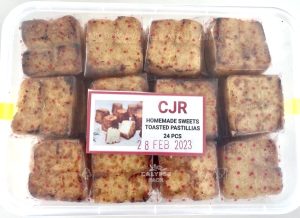
Sugar-coated milk candy, further coated in caramel and then seared.
An overly sweet confectionery.
It's just... so sweet!! My blood sugar is about to skyrocket.
I didn't know it was this rich, so I ate it in one bite, and many people were speechless...
I was surprised by how much Filipinos love sweets.
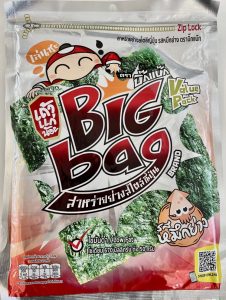
Complexly seasoned seaweed.
The results showed an equal number of opinions that it was delicious and opinions that it did not suit their taste.
When cut into bite-sized pieces, some people rediscovered how delicious it was, and it disappeared in no time.
This looks like it would go well with drinks, too.
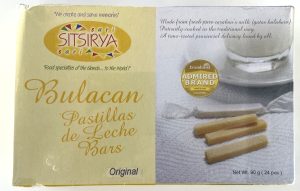
Buracan is a regional sweet made by mixing milk, condensed milk, sugar, and skimmed milk powder.
This is also sweet... And I wondered if the lack of appetite-stimulating aroma was also a cause of its unpopularity.
This was another "masterpiece" that made me feel the difference in taste between Filipinos and Japanese people.
Overall, the feedback on this lineup was that it made mouths feel like deserts from dehydration, and that it was overwhelmingly sweet.
That being said, they are all things that are difficult to obtain in Japan, so it was a valuable and enjoyable experience.
Later, I thanked the members in the Philippines and shared the results of the survey.
They might have been shocked by the difference in taste once they knew our results.
Unless opportunities to get to know each other are consciously created, it's difficult for employees of group companies in different countries to get to know each other.
Like our companyWhen working with foreigners, it's important to "know each other's cultures."So, by using souvenirs in this way, we can learn about each other's countries and it's easy to find things to talk about.
Why don't you try using souvenirs for communication too?!
Blogs in the same category
Same Category

# Other News
[On-Site Dialogue] How is the Middle East issue affecting the Philippines? "Real situation and atmosphere" from our Makati office and local staff
# Branding
# Other News
End aimless actions. People and organizations' accompaniment-style support "HR Method."
# Other News
Recommended Hotels for Business Trips to the Philippines | How to Choose a Hotel in Manila (Makati) Without Making a Mistake