


Businesses face various challenges, and I doubt there's any executive who hasn't worried about or thought about human resources. As a company grows, the importance of individuals who take on middle management roles becomes acutely apparent.
*This article will use the term "manager."
Suddenly, as I was overlooking my company's organization, I noticed managers acting like carrier pigeons, delivering their subordinates' complaints to management.
This is the easiest way to act like a boss without being disliked by your subordinates.
However, because no improvement activities are actually being done, nothing will change...
Employees work with some degree of anxiety or doubt.
To put it more precisely, I am living as a human.
Anxiety and doubt pile up, and when they exceed the threshold, they overflow as dissatisfaction.
For example, dissatisfaction with a partner at home, or dissatisfaction with the workplace at work.
When a manager interviews their subordinates, they often hear complaints, which are then relayed to upper management, the executives.
The manager's job is to address the initial stages of anxiety and doubt, and even more importantly, to think about how to prevent them from arising in the first place and to make improvements.
If I were asked about such dissatisfaction, I'd be free to say whatever I wanted, and we'd be nowhere near being on the same page.
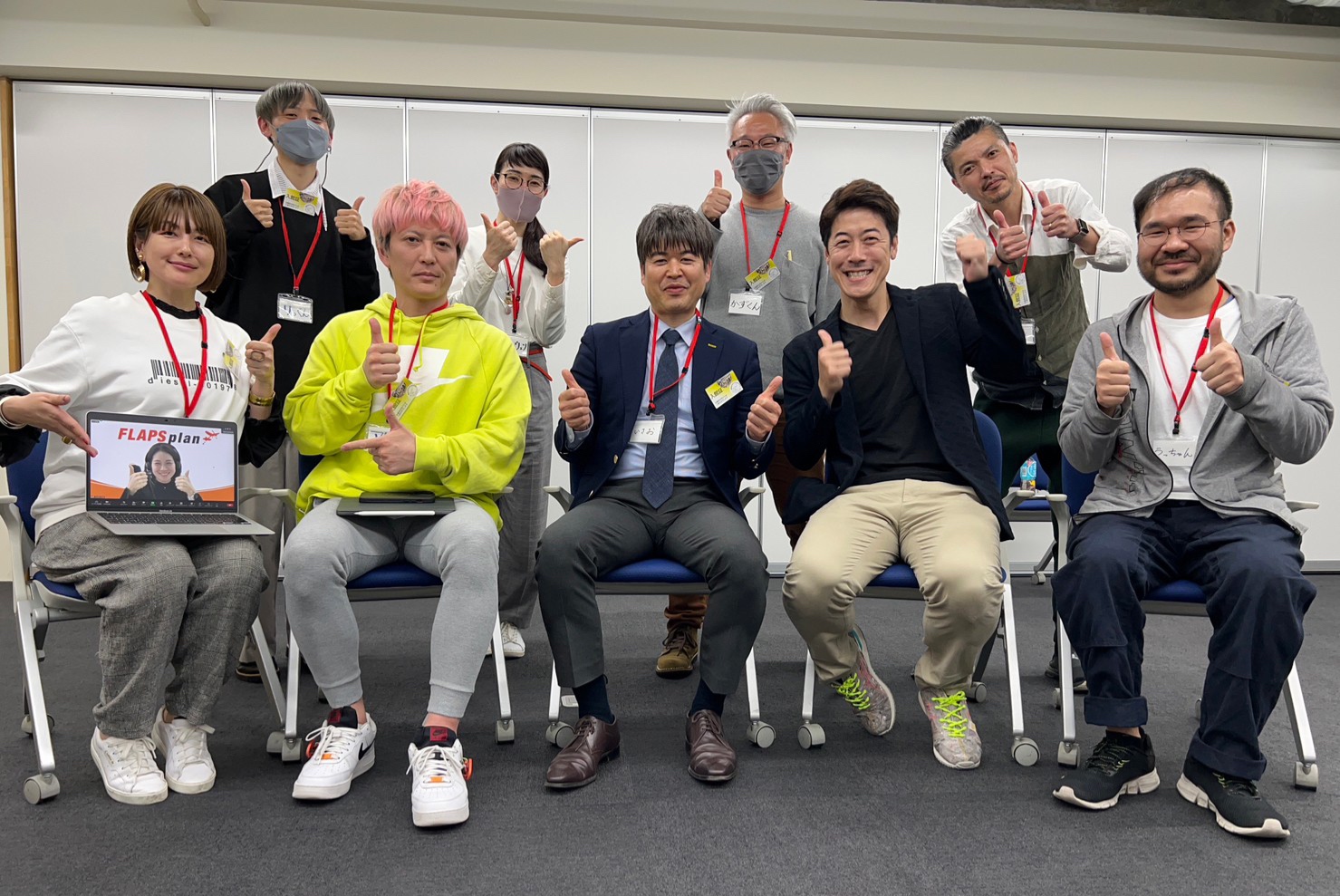
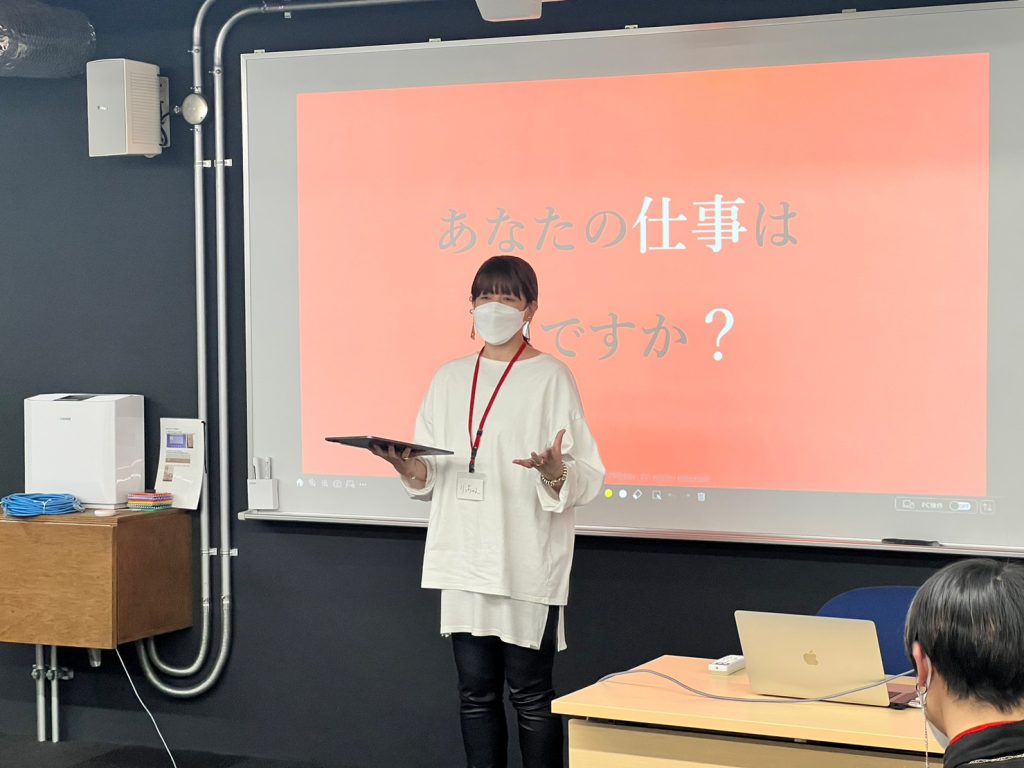
When I had such challenges, I encountered a seminar called "Oneness Management" developed by Flaps Plan Co., Ltd.
I immediately had the opportunity to speak with President Fukunaga and explained the challenges our company was facing. Then, Mr. Fukunaga said this.
That's the same as driving without a license.
It's only natural that something like this would happen when you put someone in a management position who hasn't been trained to be a manager.
For example, most companies promote their top-performing salespeople to management positions, expecting that this will foster an organization that develops similar high achievers.
However, while that manager excels at achieving sales results, they have no track record in their ability to transfer those skills to others and educate them, lead a team, or instill company policy.
The reason we can drive cars is that we learned the knowledge and skills necessary for driving at driving school.
On the other hand, regarding managers, the situation was that without any training, they were being given orders like, "Yes, you're the manager starting tomorrow."
I believe many business owners would have a "Eureka!" moment upon hearing this.
Just a few tens of minutes before hearing this story, I was disappointed with my manager's incompetence, but it turns out that wasn't the case.
It was simply due to a lack of training for the managers.
I was told by Mr. Fukunaga that "Oneness Management" contains a lot of content that managers can learn everything they need to function within a company organization, so we decided to actually implement it.
This happened about a year ago.
Additionally, at our company, we have decided that not only the current managers but also the executive team (officers) will attend the training. This was partly due to Mr. Fukunaga's recommendation, but also because of our company culture. We do not unilaterally instruct employees to attend training by simply saying "go and take the course." Instead, our approach is for the executive team to take it first, and if it's deemed beneficial, then we introduce it more broadly.
So, after attending this seminar, how did the managers change?
I would like to take this opportunity to share with you.
When we conducted a survey, we received the following responses.
Maybe this isn't for me...
My workload is increasing, and I'm worried...
Can I really be a manager when I'm still so inexperienced compared to everyone else...
I'm anxious about whether my direction and judgment align with the company's.
This shows that most managers felt uneasy. It's understandable when you think about it, as this is the first time for them in at least this company organization to be in a managerial role. Perhaps only the executives are thinking, "They must be happy about being promoted and recognized."
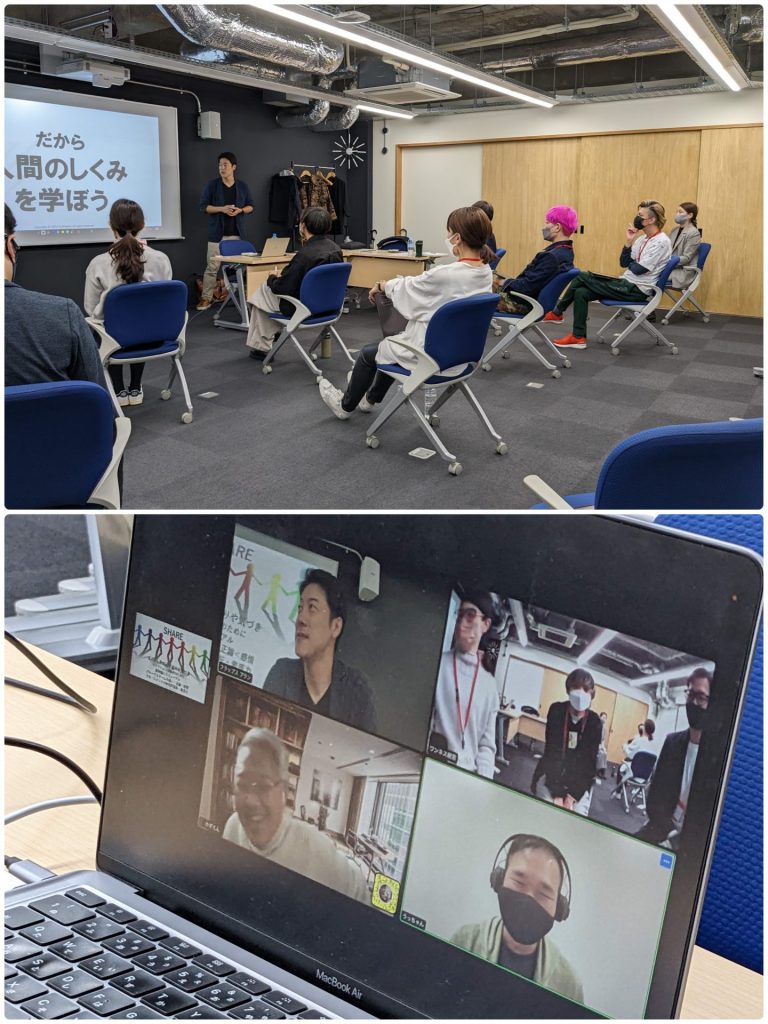
When you say "manager," it encompasses a wide range of individuals with different departments, ages, genders, backgrounds, and personalities.
There were also differences in the degree of so-called perspective and self-awareness, and if there were numerical values like "manager level," there were gradations even within the lower levels.
The commonality among them was that decision-making was left to management, and managers had very little opportunity to think and act autonomously.
Given that he was driving without a license, it's understandable, but there was a significant gap between the management's ideal of "this is what a manager should be" and the reality for the managers.
When executives introduce external training or seminars within their companies, what concerns them is internal resistance. Of course, employees won't openly say "I don't want to," but it's not the kind of thing they'll be enthusiastically welcomed by participating employees.
So, when it was decided that our company would introduce this seminar, how did the managers feel?
Why are you spending time on this when you're busy? Shouldn't just the management do it!?
I'm excited to learn new things.
Should someone like me really participate...
How people receive things seems to be influenced by their personality and the situation they are in at the time (for example, workload).
Worriers tend to see things through the lens of worry, don't they?
What can be said for sure is that not a single employee says, "I'm grateful for this precious opportunity!" (laughs wryly)
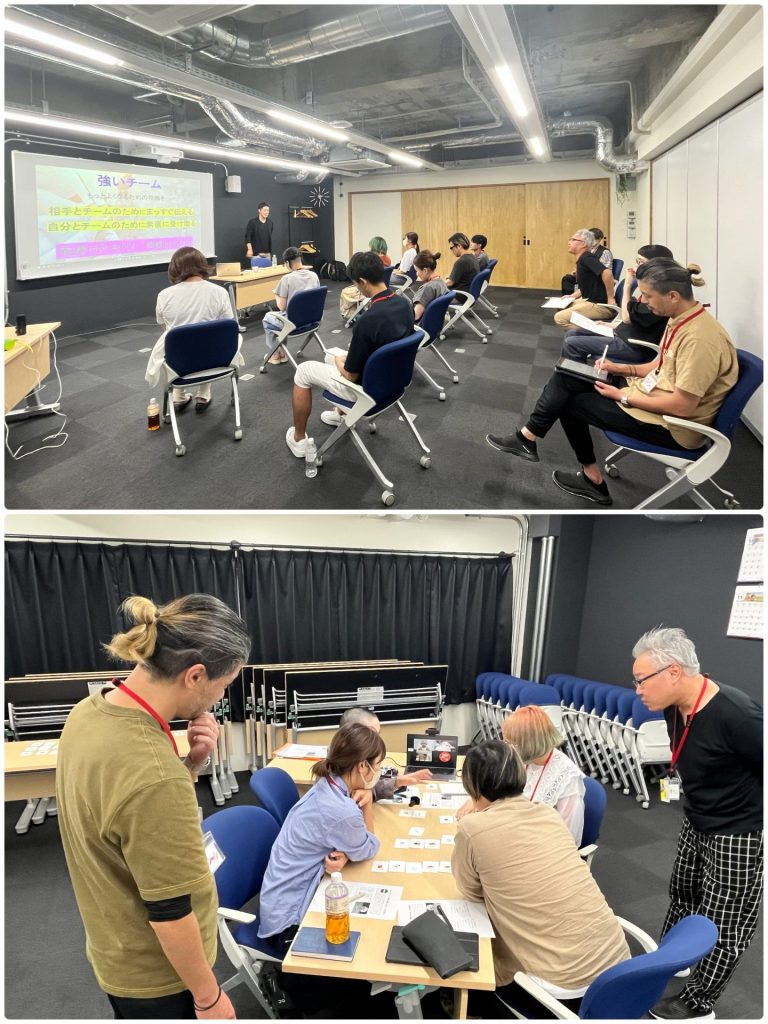
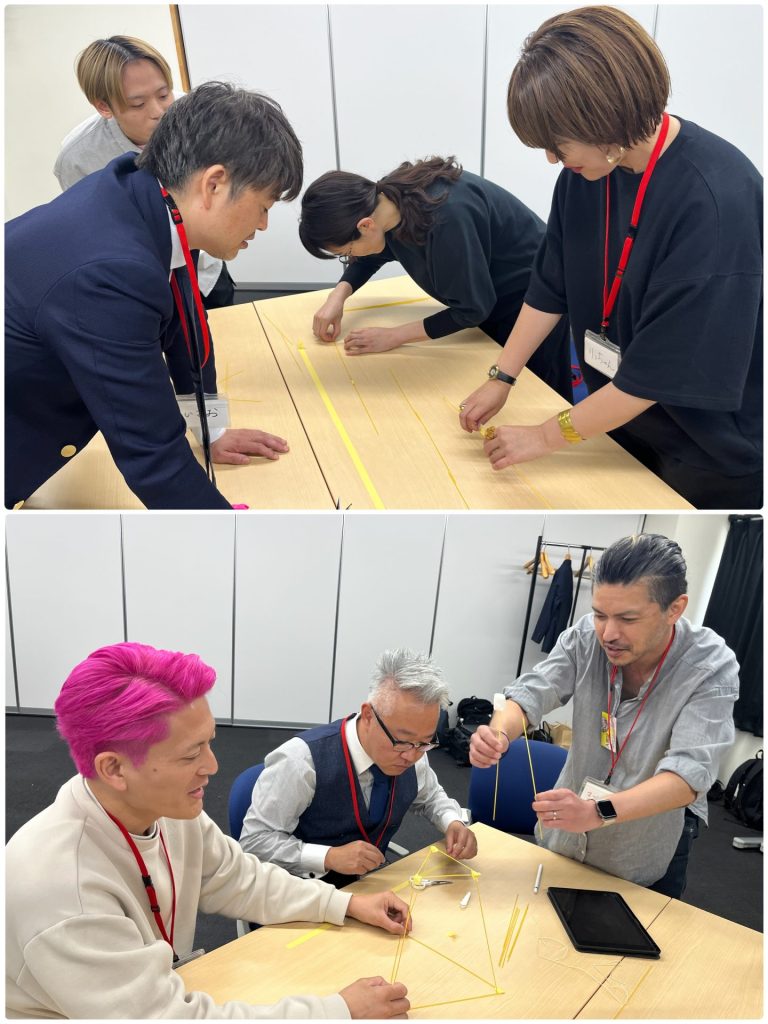
So, in our company, they attended a total of nine sessions, held once a month. How did the managers' impressions of the seminar change over time?
The seminar instructors were kind.
I was wary, thinking it might involve forcing participants to compete, but it was completely different, and I started having fun as I did it.
I was surprised that there were many opportunities for participants to share with each other, rather than just listening one-sidedly.
The atmosphere was bright, and it was much more fun than I expected.
I see, your impression has changed before and after taking the course.
By the way, this "Oneness Management" is completely different from seminars that involve shouting, crying, or moments of artificially heightened tension.
Perhaps that's why there have been no negative comments from the employees who attended.
From a management perspective, doesn't that lower the barrier to adoption on its own?
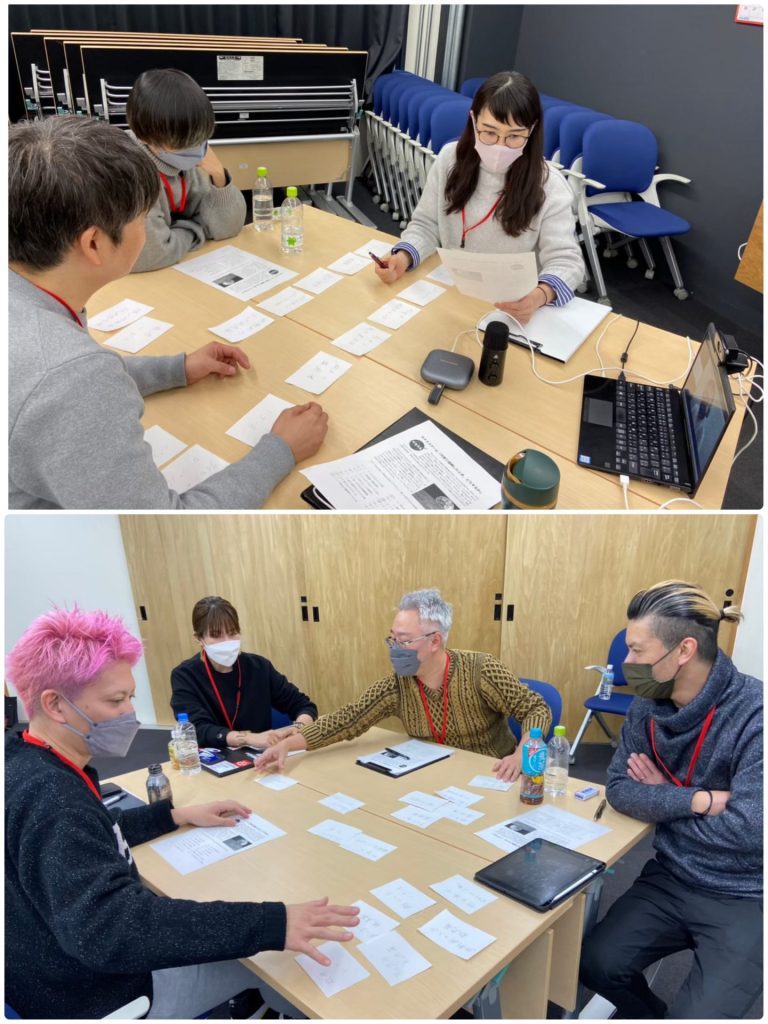
The managers realized they didn't need to shout or yell during the seminar, so they let their guard down and became more receptive to the training.
What changes did the management, who attended the seminars with them and observed them closely, notice in the managers after they completed the seminars?
The dependence has faded, and I've started to be able to speak from a manager's perspective.
Through seminars, I've had many opportunities to confront myself, and my fear of self-disclosure has diminished.
They showed a tendency to ensure their words and actions were consistent.
I've become more interested in my subordinates and have started taking a more active role in commenting on their daily reports and conducting one-on-one meetings.
These may seem like small changes, but they have a big impact when you consider them as changes and growth that couldn't be achieved internally (by management).
Did the managers feel any difficulty or awkwardness with the executives being in the same position as seminar participants?
The moderate tension was good.
It was a good opportunity to hear the management's thoughts.
I was interested in how management would perceive the same theme.
I felt their commitment to leading by example.
I felt a difference in perspective with my manager.
It was good to be able to establish a common language with management based on what I learned at the seminar.
It seems there wasn't the difficulty I was concerned about.
Of course, it's meaningless if the participating executives are arrogant and only offer condescending advice.
The most important thing is to participate with an honest and proactive desire to learn.
Additionally, because the seminar explained the "difference in perspective" between management and managers, the managers were able to recognize the difference in the views they had compared to executives and felt the necessity to bridge the communication gap between them.
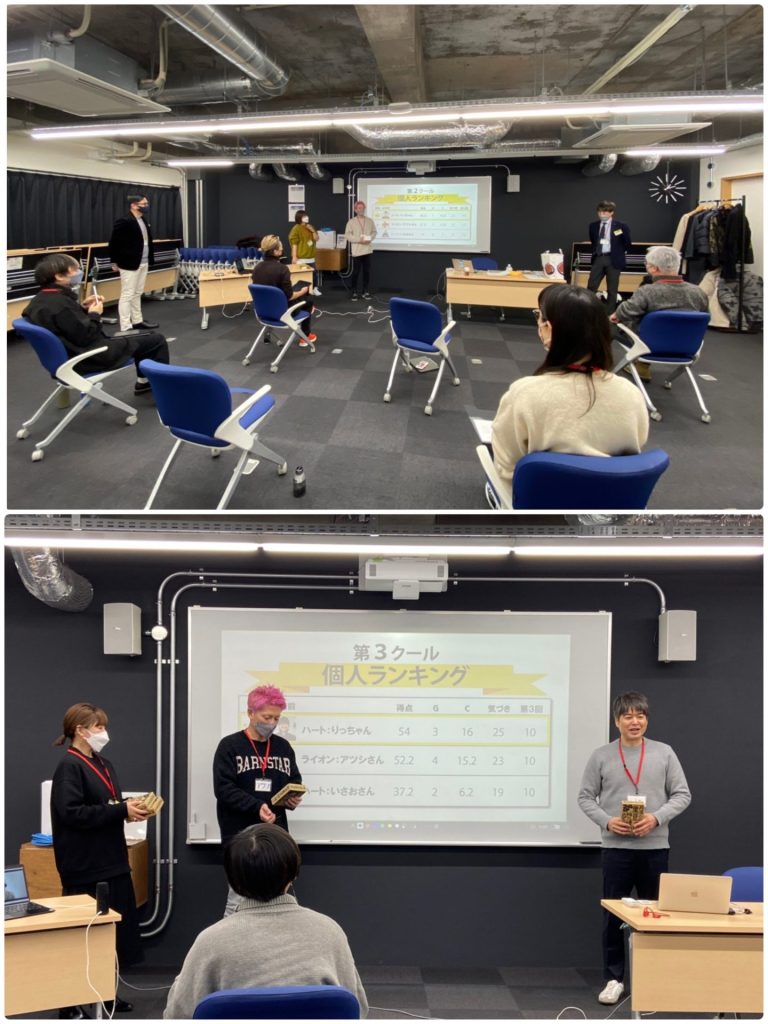
Through the seminar, the manager was able to become aware of each person's challenges and their own characteristics.
And it seems that they were able to experience firsthand that by changing themselves, they could also have a positive impact on their students.
"Oneness Management" has the phrase, "When I change, the team changes," and that was exactly it.
So, what stood out to the managers after attending the seminar?
There was a lack of initiative.
(To avoid wavering) We must adopt a holistic optimization approach rather than a localized one.
A labor union leader cannot just be someone who compiles and reports employee grievances.
The role is to clearly communicate the vision shown by management to the front lines.
As a manager, I need to change my approach (mindset, demeanor) for the sake of my subordinates and junior colleagues.
I lacked open-mindedness (the courage to self-disclose and the receptiveness to feedback).
As a manager, you seem to have noticed what's missing.
Even if the executive conveyed the same message, would the manager readily accept it?
Actually, strangely enough, it doesn't go that well.
As an instructor of external seminars, there is much that can be gained, and this can be said to be a significant benefit of the seminar.
Incidentally, Mr. Fukunaga called this phenomenon the "uncle effect."
It's a common issue: you feel great right after attending a seminar, but a while later, you slip back into your old ways... This is something we absolutely wanted to avoid at our company.
This made the effects even more palpable. So, I decided to create opportunities for the managers to be more mindful of their demeanor and interactions with their subordinates.
That is...
To cooperate as a supporter for the "Oneness Management" seminar for general employees.
It is.
I attended the seminar and felt confident in its content.
And, taking this opportunity, I decided to have not only the managers but also their subordinate employees attend this seminar, so that we could achieve a state of oneness (an organization with a sense of unity) all at once.
The managers unexpectedly found themselves in the role of supporters. How did they feel, having been involved as supporters and seeing their subordinates attend the training?
Many members are actively involved, stimulating each other, and I feel a sense of change and growth.
My desire to support grew stronger.
It's a valuable opportunity to get to know members we don't usually talk to much during regular business.
It's also an opportunity for me to review.
I'm motivated by the feedback from other supporters (managers).
I'm surprised by everyone's "honesty power."
I was happy to realize that there are colleagues who embody the values (principles and culture) that our company cherishes.
I wanted the managers to approach their subordinates with interest and curiosity, but through the role of supporter, they have come to notice small changes in their subordinates and be happy about their growth.
You're facing challenges with manager development and have decided to implement a seminar. From the perspective of management, how are the current managers perceived?
I've become more proactively involved in creating environments for education, interviews, and social gatherings, and I feel a sense of ownership, like "we're going to lead this."
Since I started using the word "management," my perspective has become a little higher.
The pronouncements of "Our company is doomed anyway..." and "I'm worthless anyway..." have become less frequent. (The "way of being" of each individual has improved.)
Creative ideas from managers on how to build relationships with their subordinates also emerged.
The user's text conveys a sense of creating growth opportunities for team members and supporting their development.
By learning "What is required of a manager?", I have become able to think and act on my own. Compared
You're facing challenges with manager development and have decided to implement a seminar. From the perspective of management, how are the current managers perceived?
I've become more proactively involved in creating environments for education, interviews, and social gatherings, and I feel a sense of ownership, like "we're going to lead this."
Since I started using the word "management," my perspective has become a little higher.
The pronouncements of "Our company is doomed anyway..." and "I'm worthless anyway..." have become less frequent. (The "way of being" of each individual has improved.)
Creative ideas from managers on how to build relationships with their subordinates also emerged.
The user's text conveys a sense of creating growth opportunities for team members and supporting their development.
By learning "What is required of a manager?", I have become able to think and act on my own. Compared
Managers learned a lot through the seminar, but how are they applying it in the field?
I've become conscious of using "dialogue" and "conversation" distinctly.
I differentiate between "advice" and "feedback."
I am aware of the premise that my perspective is understood after I understand the other person's perspective.
I now have a perspective of "global optimization" rather than "local optimization."
The goal-setting approach was very helpful in organizing the skill drills.
Reflecting on the mentoring I received through "Oneness Management," I've been able to observe my subordinates' changes by conducting monthly interviews.
We incorporated Good & New, which we did at every seminar, into our department.
With the widespread adoption of the terms "leadership" and "proactiveness," it's become easier to rely on subordinates.
Regarding subordinates, always maintain a steadfast, semi-circular stance. The importance of trusting the other person and letting them get to know you (self-disclosure).
It appears that each person is practicing what they learned at the seminar.
The reason why the effects of the seminar have been sustained and are being put into practice is not only due to the aforementioned supporters, but also significantly due to the managers taking the seminar together.
By having a common language, and by using it in meetings between managers, it will also be solidified
As mentioned before, I'm practicing this, but not everything is going smoothly. What are the difficulties managers are facing?
I'm not creating enough room for my subordinates to make mistakes and try new things.
I wonder what and how I should teach my excellent subordinate.
Stop being superficially nice.
We are not thoroughly enforcing that people do what they should be doing.
Intrinsic motivation is not being fostered.
At the time, managers who could only act like labor union chairmen, listening to their subordinates' complaints
In a company, training—not just for managers—is not a temporary measure.
Our company practices value-based management, and we aim to create a state of oneness (unity) based on our philosophy. To achieve this, we are once again realizing the importance of continuous dialogue based on shared values.
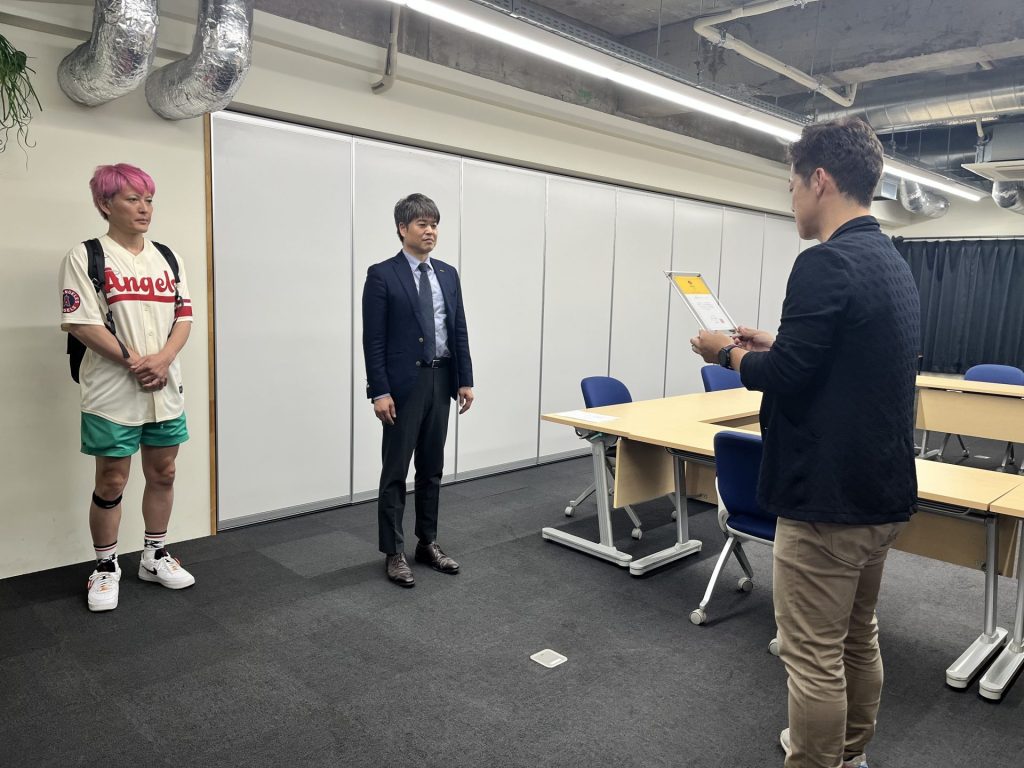
The management team also participated in the seminar and learned together, and I feel that demonstrating a spirit of leading by example was very meaningful. I truly realized that many things are summarized in Isoroku Yamamoto's quote when it comes to education.
「Show them
Unless you talk, listen, approve, and entrust, people will not grow. Unless you watch them with gratitude and trust them as they work, people will not bear fruit.」
Every company has its own unique character and is at a different stage of growth.
Of course, there's no single right answer, but something we shouldn't forget is that "managers, general employees, and executives are all human."
Everyone wants to feel secure and look forward to the future.
I want to be understood and acknowledged
And the most important thing to take care of is yourself.
No matter how much you are cherished by those around you, if you cannot cherish yourself, you will never be fulfilled.
However, due to Japanese traits! ?, most people have no interest in themselves (= cannot cherish themselves).
How many managers do you think can explain what it means to have interest in yourself?
I feel
It'
Business owners are creatures who relentlessly
Thinking about it that way, the root cause of leaving managers unlicensed lies with the top management. And on top of that, they demand results, which is even worse. They understand how
We were lucky to realize this. We don't know if "Oneness Management" is the best, but it's true that it was a good fit with our company's philosophical management, where we share values and move forward in the same direction.
How was it?
This time, we introduced what our company is doing to develop and educate middle managers, who are essential for corporate growth.
As stated by Seno in the aforementioned message, the methods for developing and educating middle managers would also vary depending on the company's character and growth phase, and as stated by Ichikawa,Oneness ManagementThis meant that the method was a good fit with our company's philosophy and culture.
I would be happy if you could consider it as just "there's another way to do it."
Blogs in the same category
Same Category

# Management
The true nature of organizations where "information doesn't come up" - what delegation of authority and casual conversation taught us.

# Management
A company that dismisses small talk as a waste of time has no future. Here's why we didn't treat reporting, contacting, and consulting as a means of efficiency.

# Branding
# Management
Learning from "Salesman-Free Management": How to Create an Organization Where Experts Directly Interact with Customers
