Don't you think "office relocation = moving"? Creating an office that accelerates the future of your company
In March 2024, Lion Heart Co., Ltd. relocated its office.
Although some time has passed, I'd like to take this opportunity to share our relocation experience again.
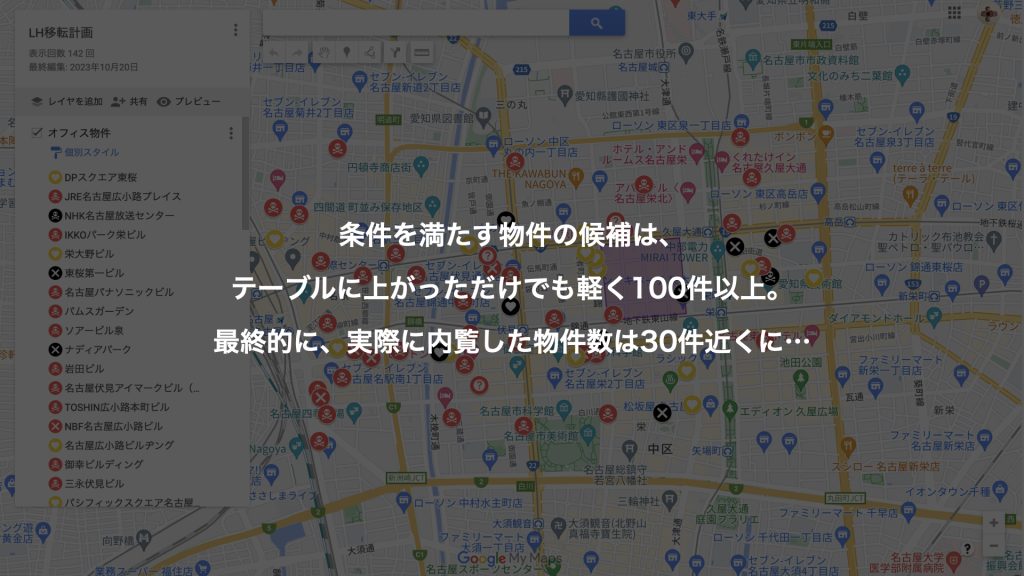
Searching for a new office, reviewing property proposals, conducting viewings, and comparing candidates. You will We experienced the exact same "customer journey" that our clients go through: learning about the differences between "B-class
In that process, I had many realizations, such as how the quality of the hearing directly impacts the quality of the proposal, how competition evaluations are conducted, and the difficulty of selecting vendors.
And after the relocation, we held an opening party inviting our customers. There, I shared about our company's relocation project. This will have a strong impact on participating companies, It's important to think this deeply when proceeding with a relocation, but it's something Along with that sentiment, consultations to LH began to come in.
This experience, which we will later provideOffice Branding Businessbecame the trigger for.
And what I felt again was—Many office relocations are not designed for the future.is the reality.
2. Is that relocation truly connected to the future?
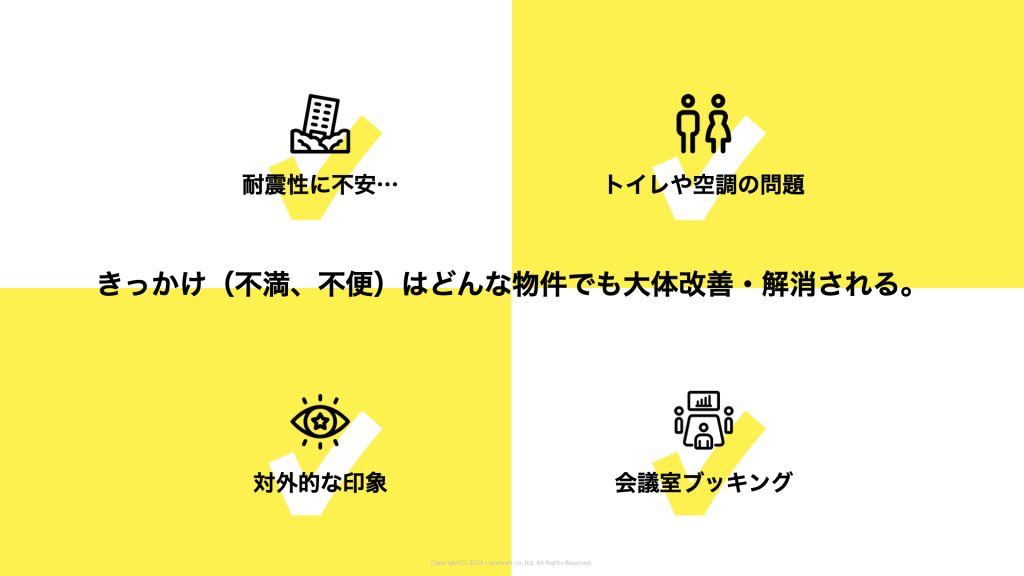
There are usually similar reasons why many companies decide to relocate their offices. The space has become cramped. There are dissatisfactions with the facilities. There are concerns about seismic resistance in the old building. It's a disadvantage in hiring.
That's certainly a valid reason. However, this is merely a “trigger for moving” and nothing more. What's truly important is the purpose beyond that.
Why that location? Why that property? Why is it designed that way?
Relocations that cannot answer this “why” will only end up as "changing boxes" no matter how much money is spent.
3. The quality of the hearing directly translates to the quality of the results.
When we consulted with several office design firms, what surprised us most was how superficial their initial consultations were. As surface-level questions continue, the anxiety grows, "Can we really make a good proposal with this level of requirements definition?" And that anxiety was realized. The quality of the proposals that came back was inversely proportional to the depth of the interviews, and we couldn't choose any of the competing companies. (In the end, we did choose one of them.)
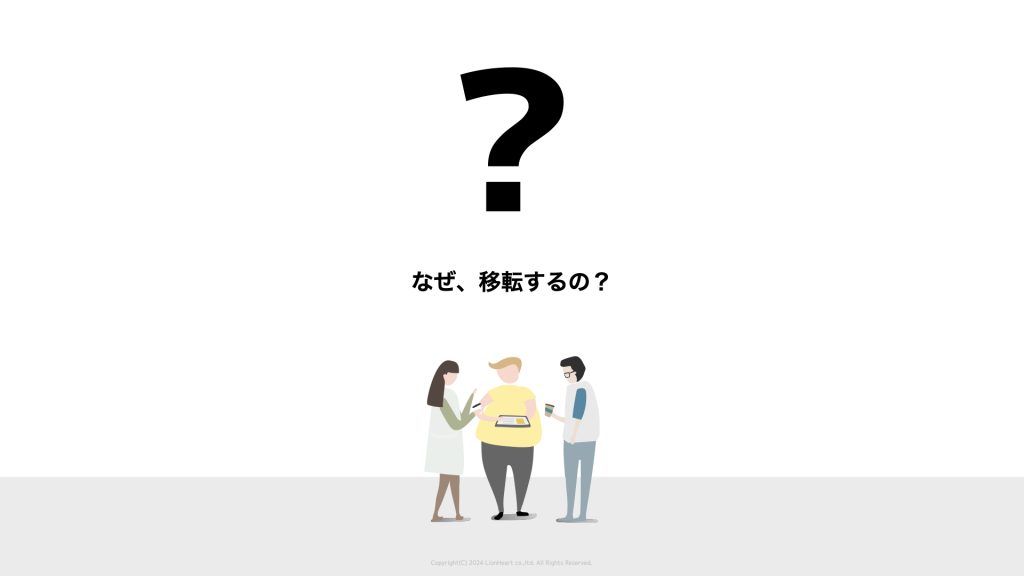
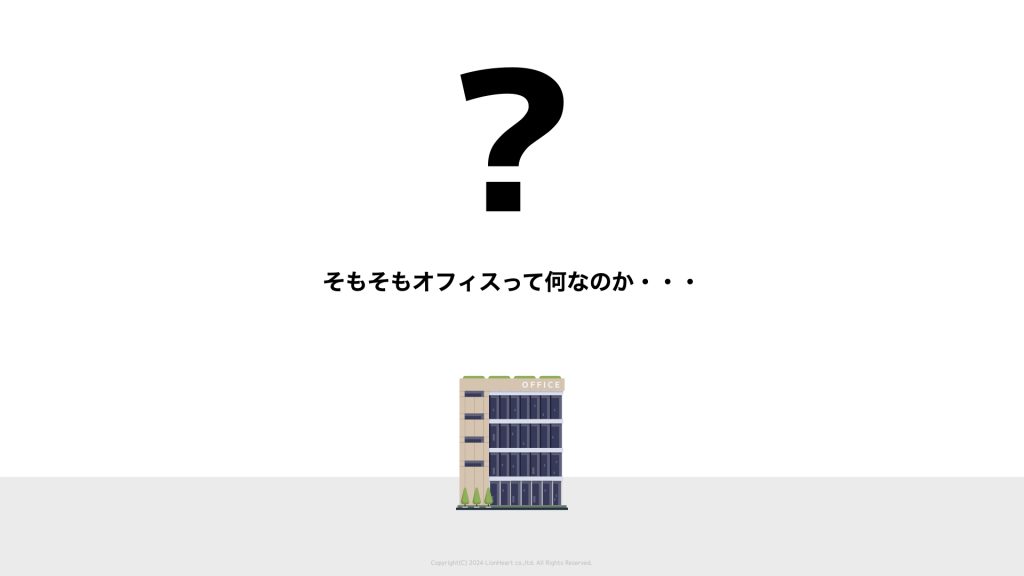
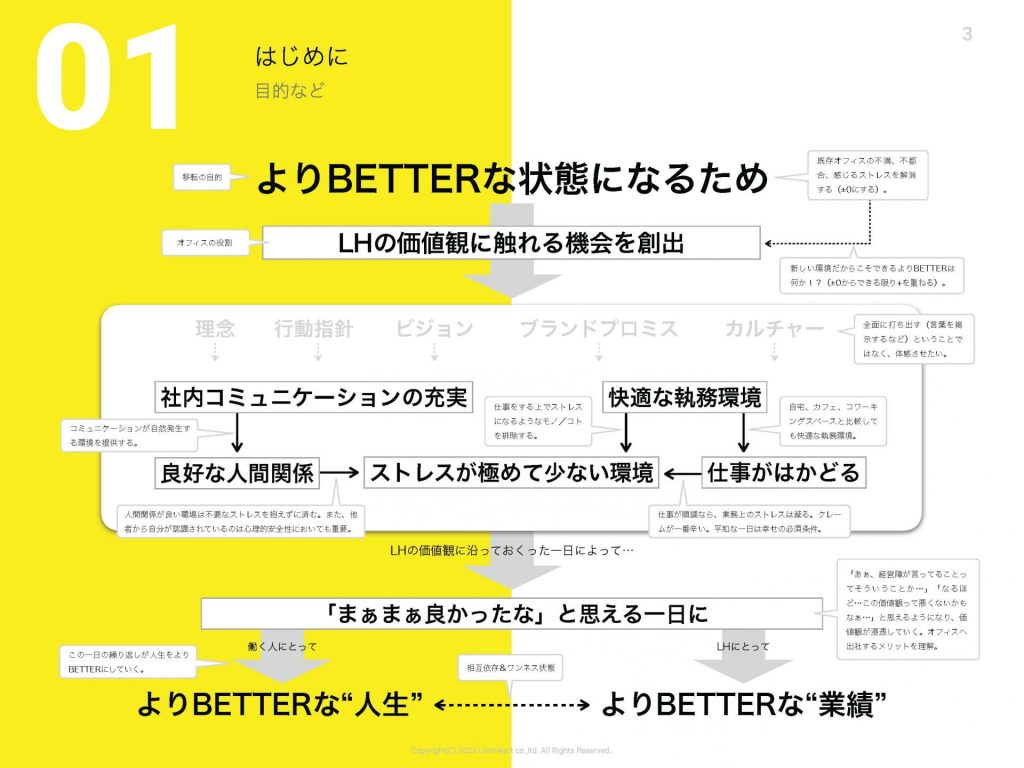
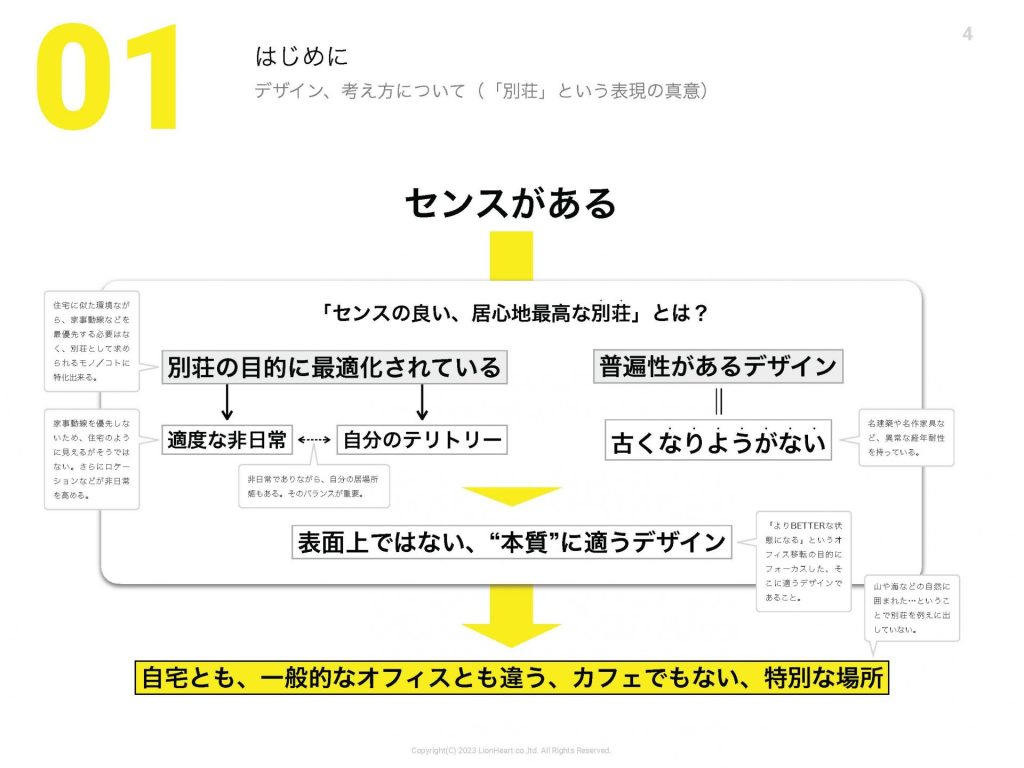
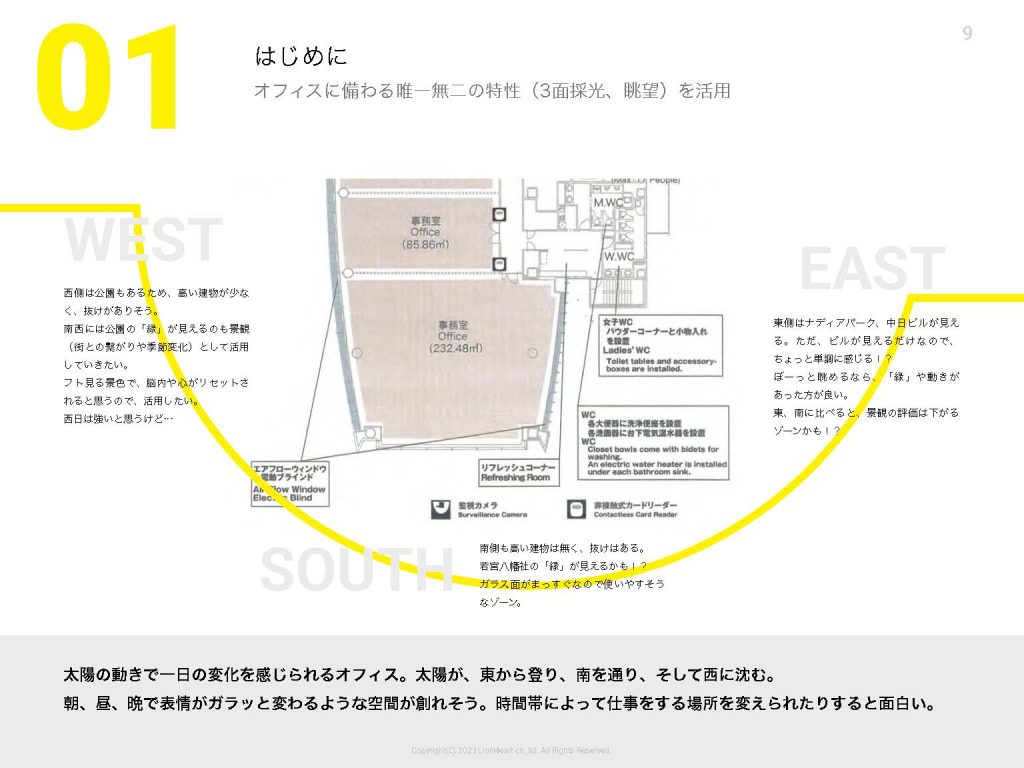
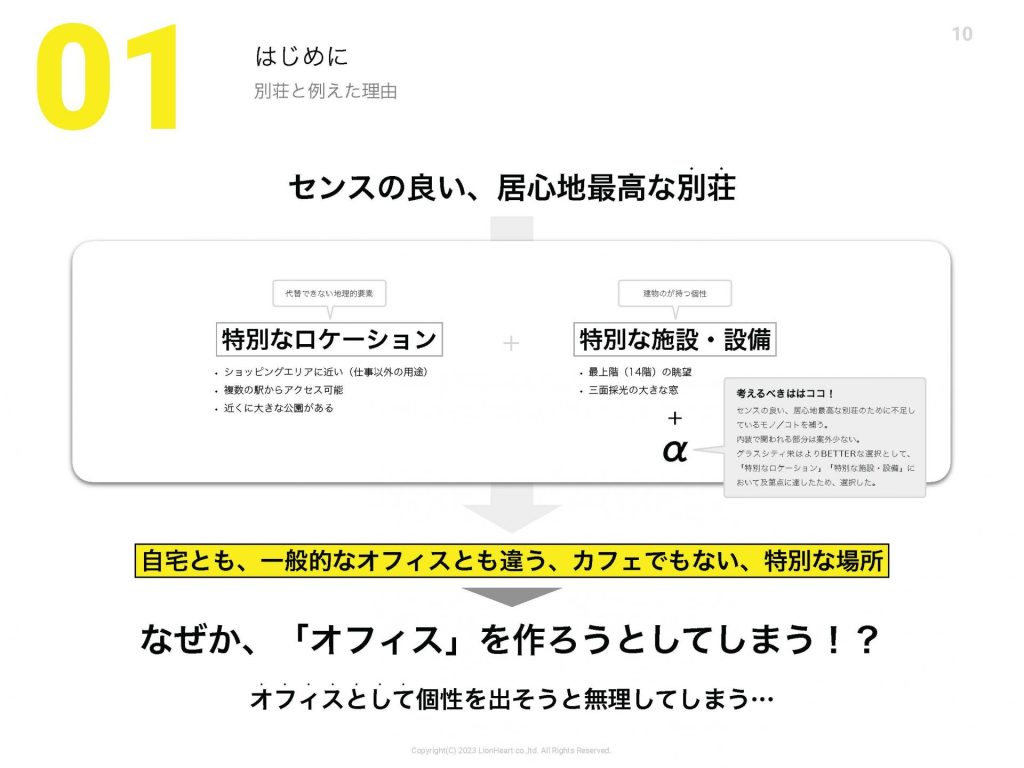
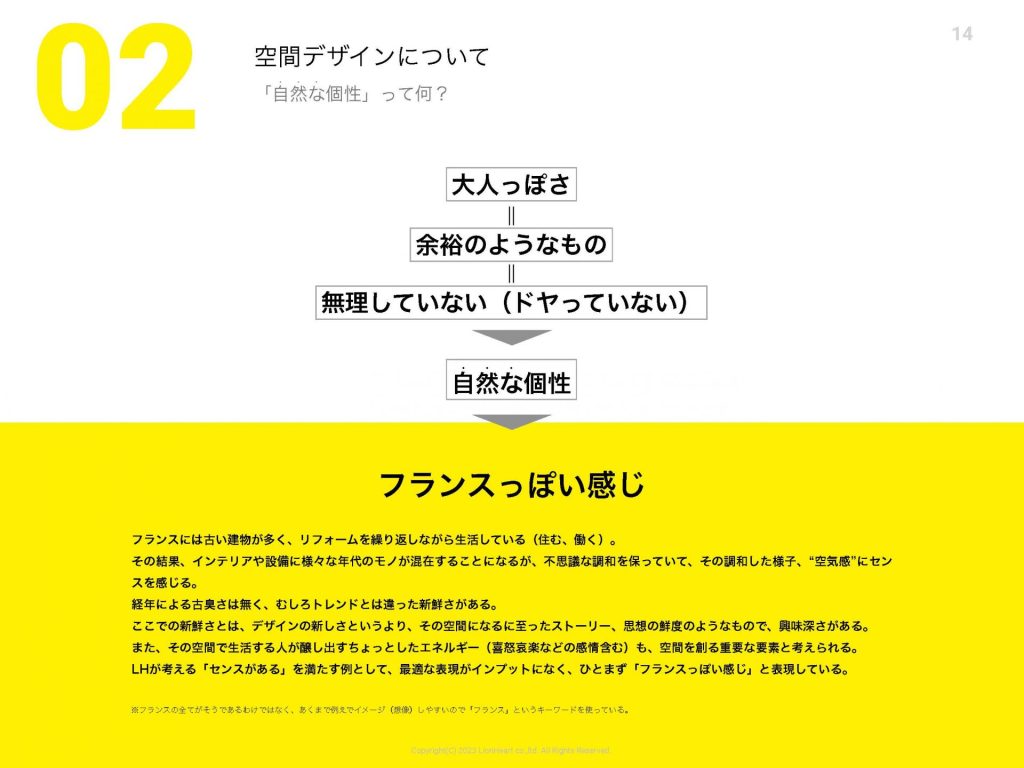
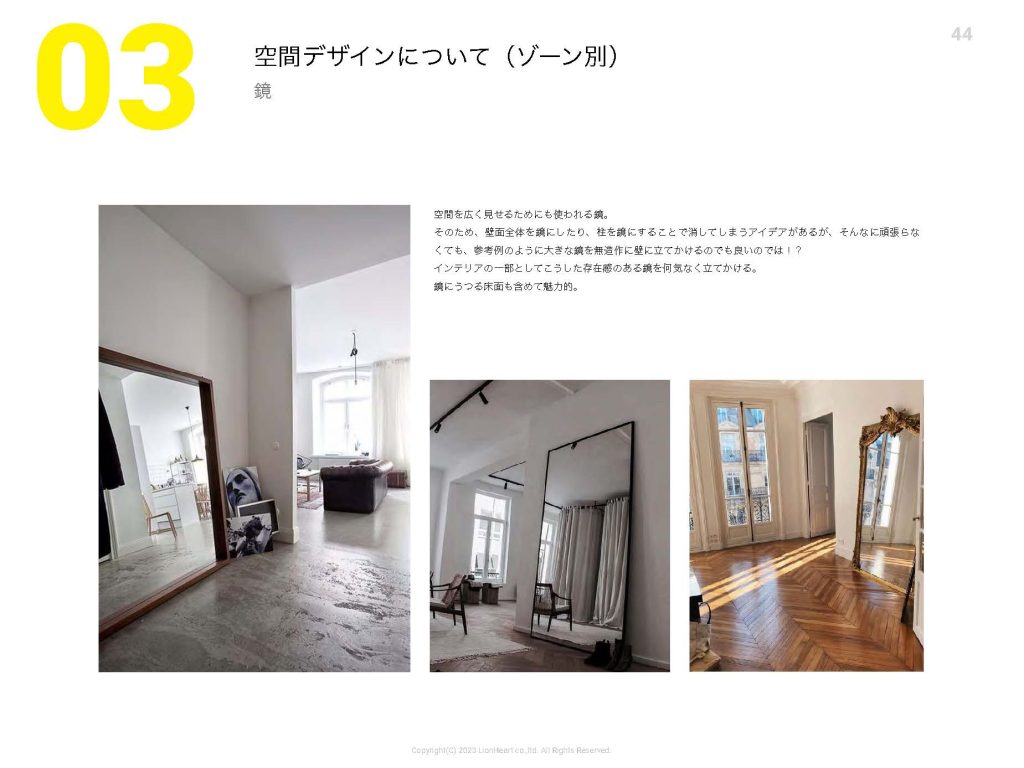
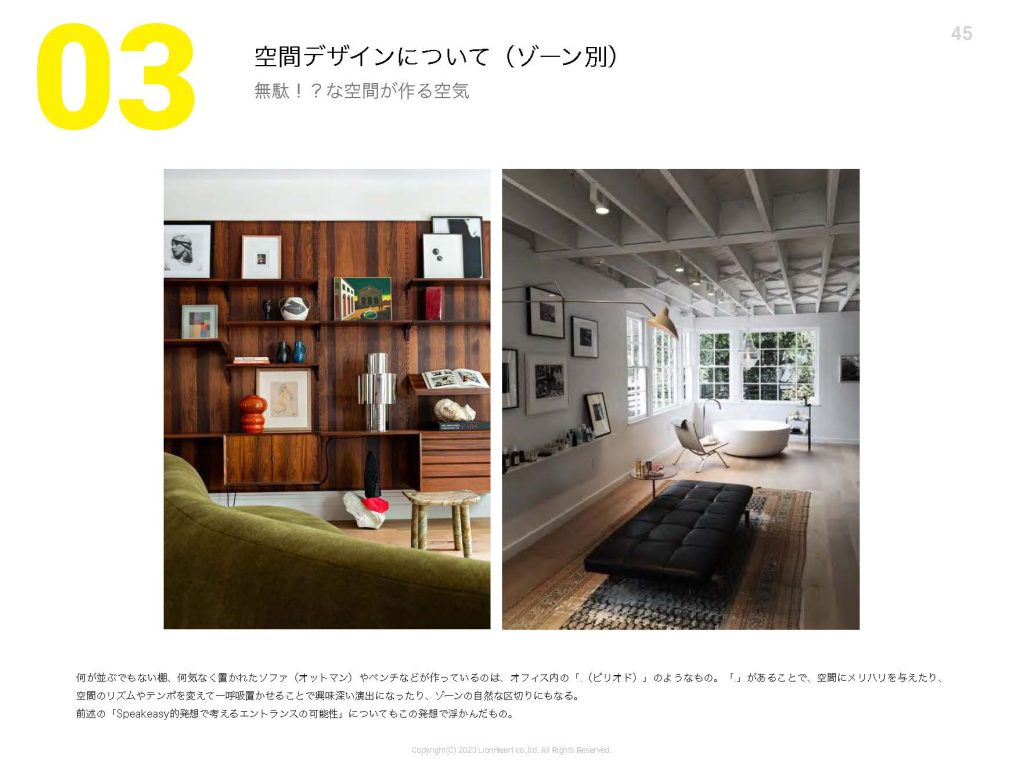
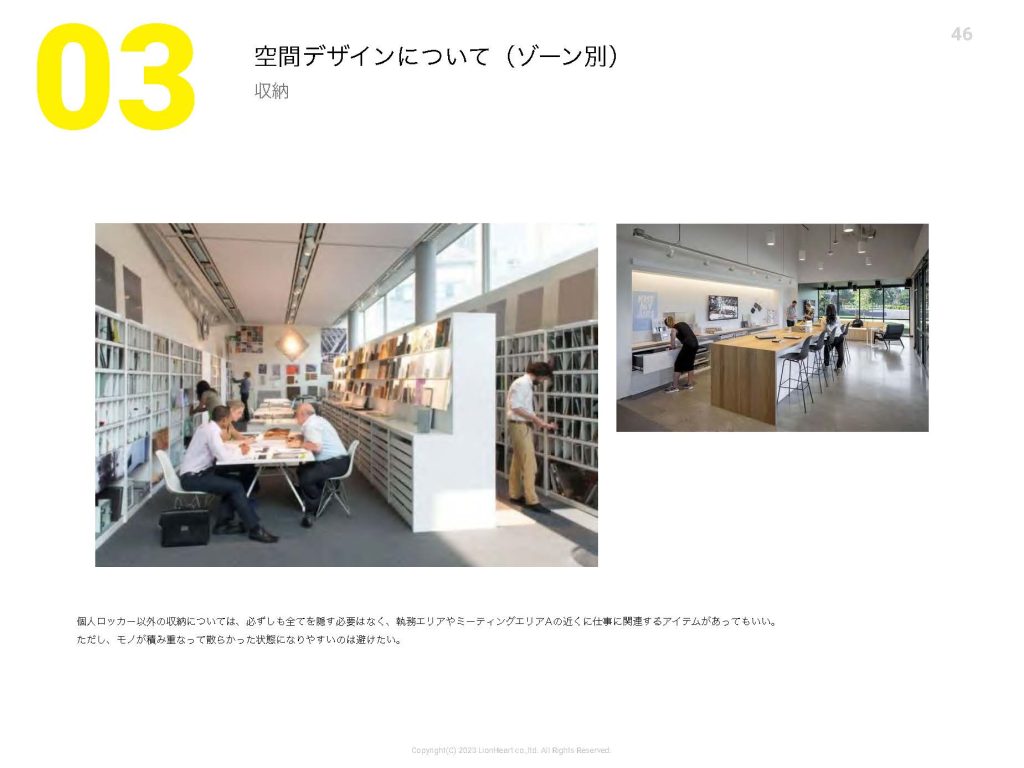
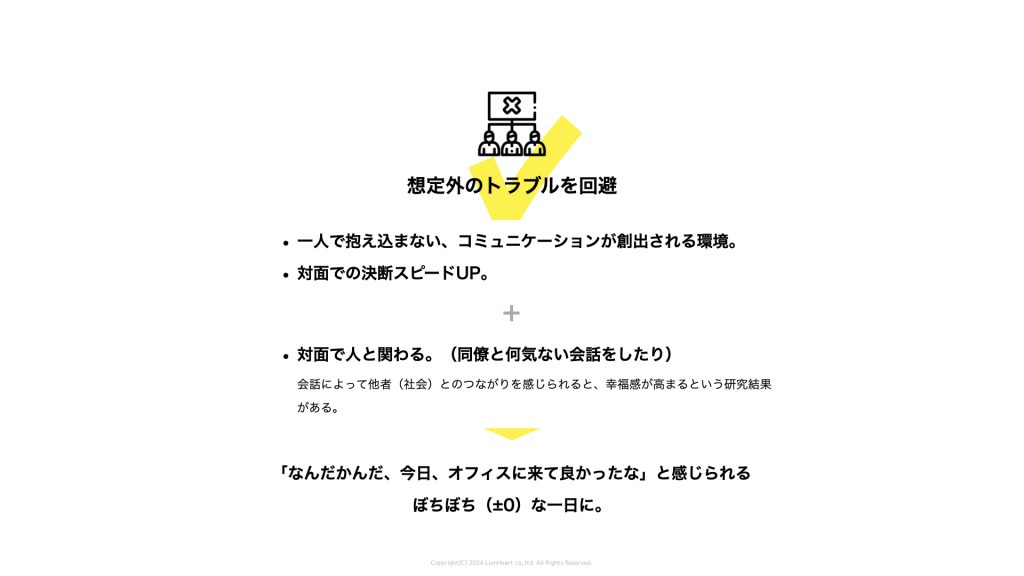
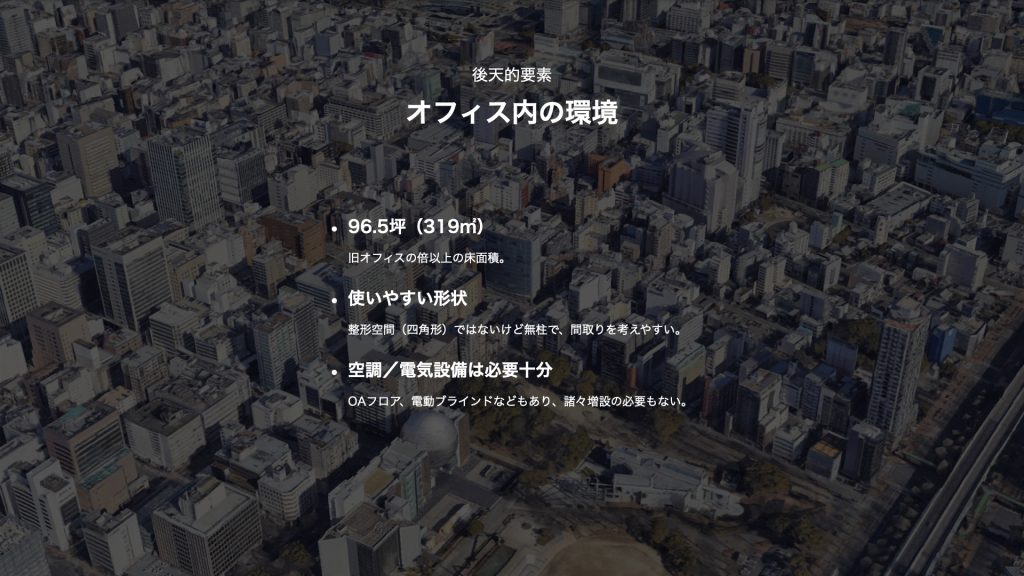
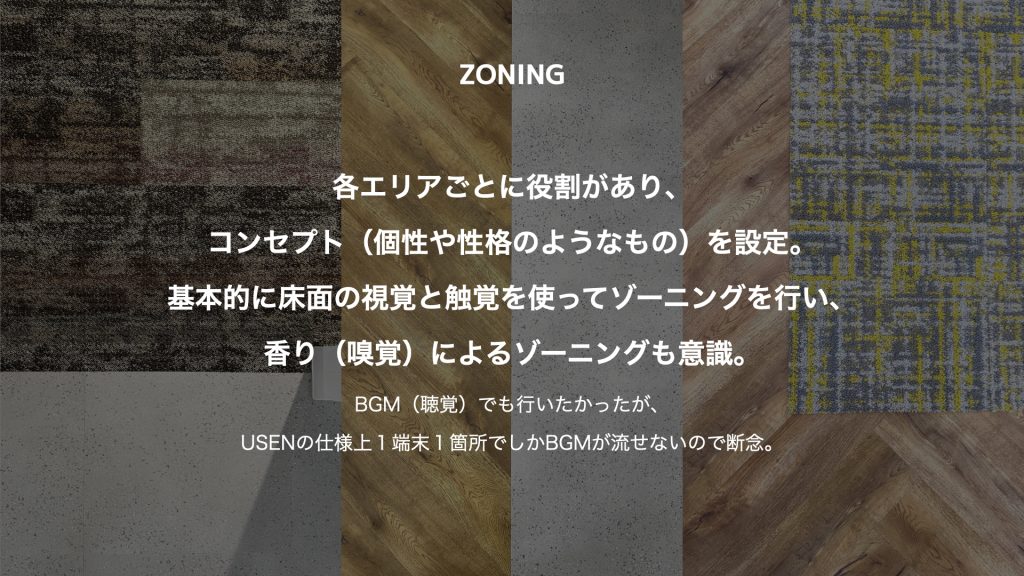
For the company chosen as our partner, we created slide materials about our goals and the role of the office, and gave a one-hour presentation. (The image below is an excerpt from the materials.) We were finally able to align on expectations, but this process is highly difficult for typical client companies, and as a result, it leads to proposals that feel "just not right..."
We make it a priority to listen to our customers on a daily basis. By delving into the extraction of potential challenges, we can articulate the client's ideal state and the emotions behind it – this is the value we can provide through our hearings. That's probably
Even after starting our office branding business, we've worked with many interior design companies, but the level of their There is little exploration of the ideal state or underlying emotions, resulting in proposals that are limited to discussions of equipment and seating capacity, and do not align with the company's vision or objectives.
This experience with failure has further solidified my conviction that the quality of the hearing determines the quality of the proposal. And at the same time, we reconfirmed that this part is the greatest strength of our original framework, the 'LH Method'.
4. Redefining the "Purpose of the Office" with the LH Method
As a branding company, we have an original framework for identifying challenges—LH methodI have. This is a very powerful tool for extracting high-quality information through in-depth and expansive listening.
The LH method is used not only in branding businesses but in all businesses. Instead, it is also applied to the management of LH itself, and it is a simple yet highly versatile framework.
We applied this LH method to our company relocation this time as well. Through in-depth interviews with both management and frontline staff, we explored the question, “Why are we relocating?”not onlyWe were able to define the very meaning and role of an office for our company.
As a result,
A system for communicating philosophy, vision, guiding principles, and culture in daily life.
Design guidelines that link location, property, and interior design to objectives With that clear focus, the entire relocation was built into a single narrative.
5. The location, property, and interior design become a single story.
Location selection
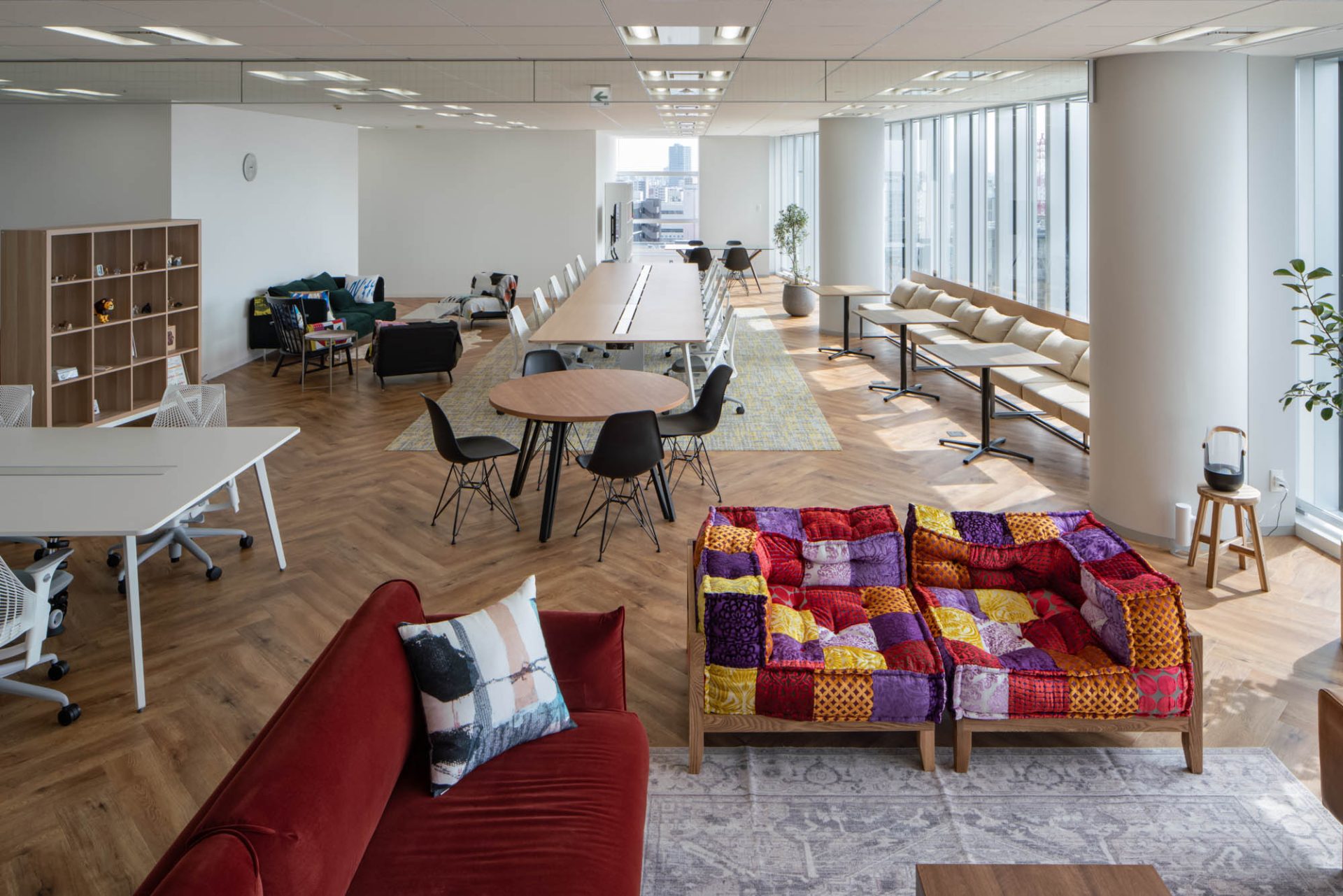
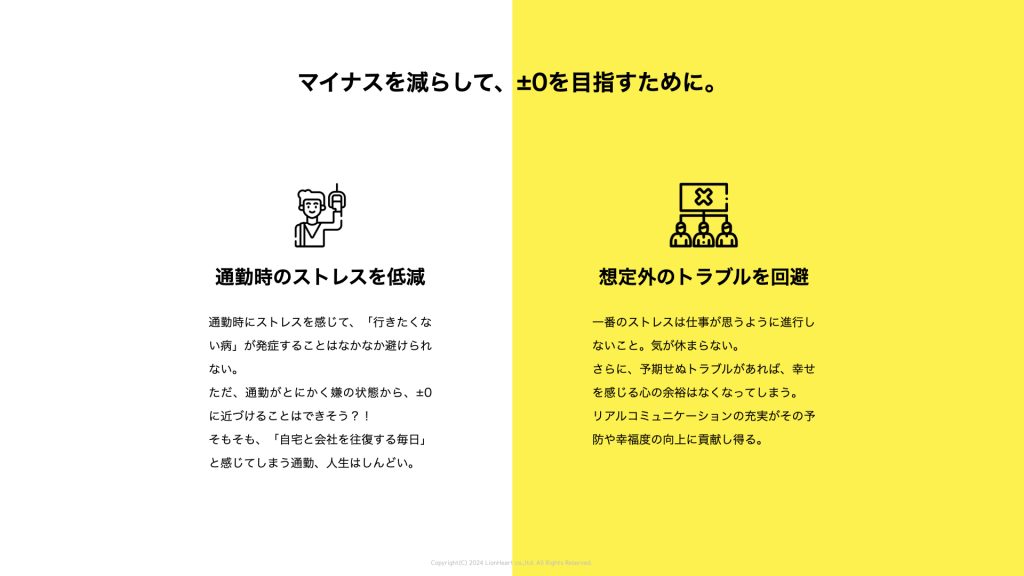
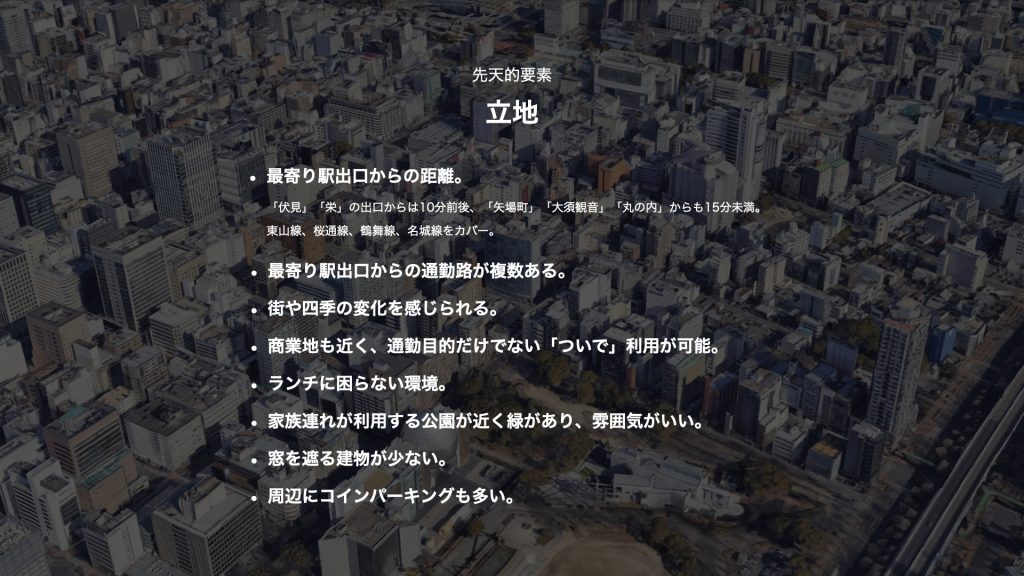
The office building we've chosen is accessible from multiple stations and is adjacent to a large park. There are many restaurants in the vicinity, offering a wide range of choices for lunch. Additionally, there's a commercial area within walking distance, so you can stop by after work. The location made it possible to minimize the stress of commuting as much as possible.
Property selection
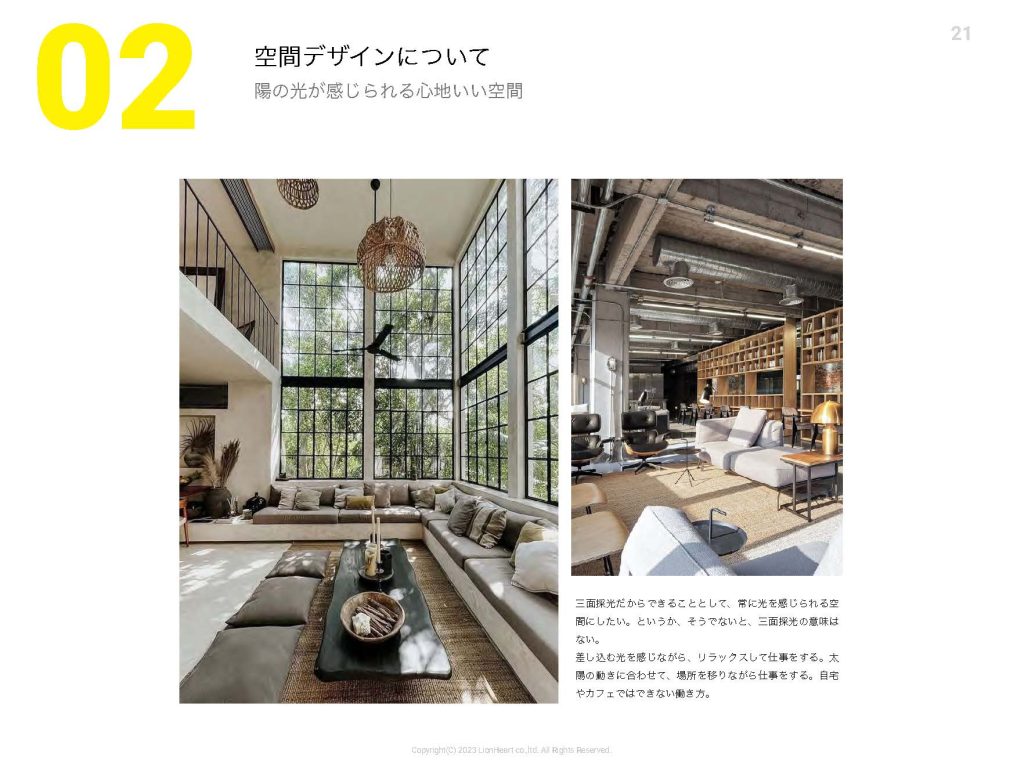
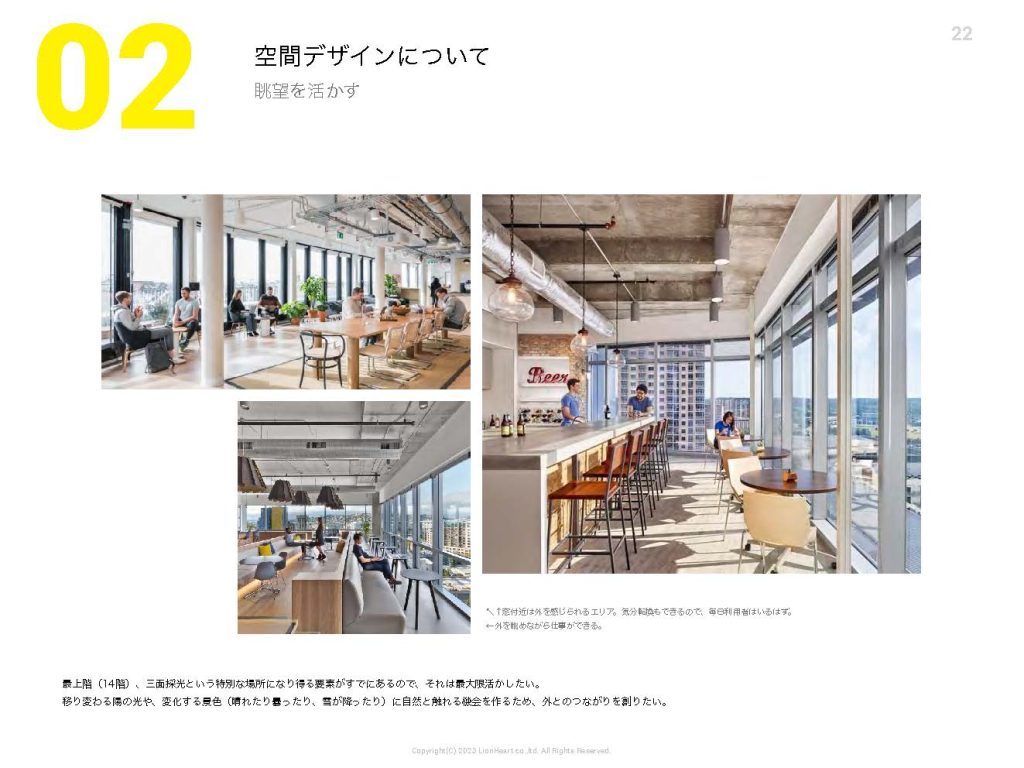
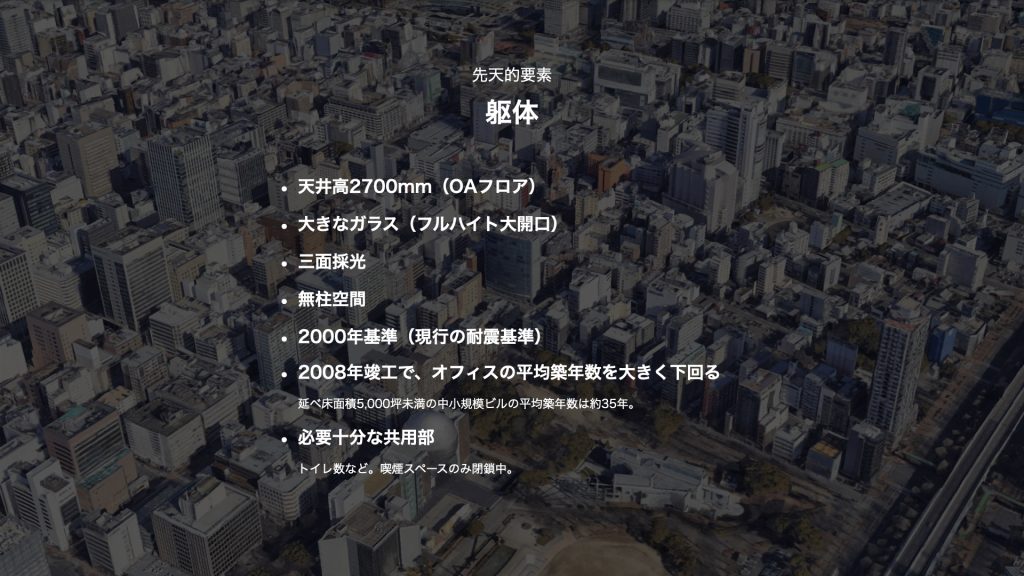
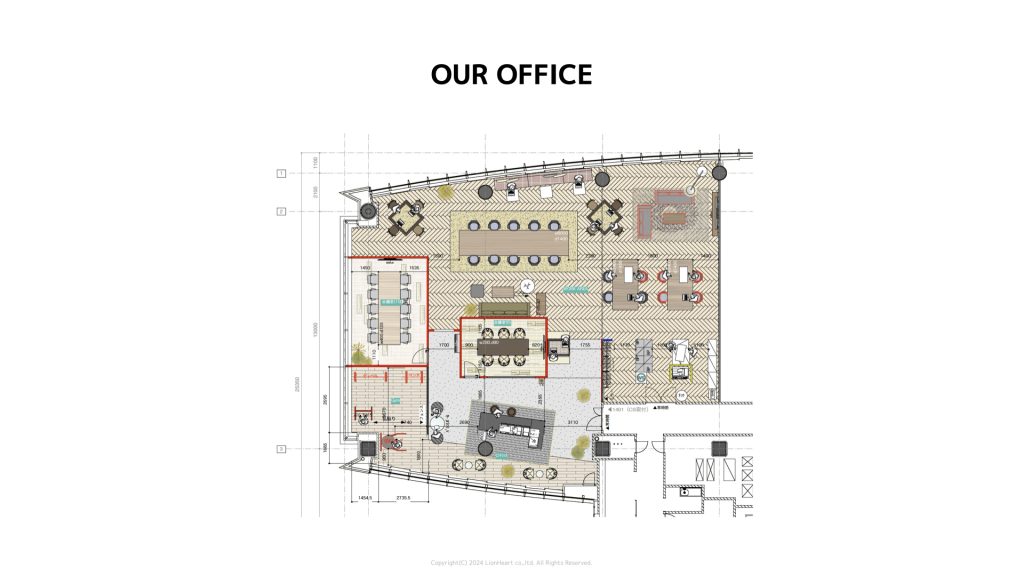
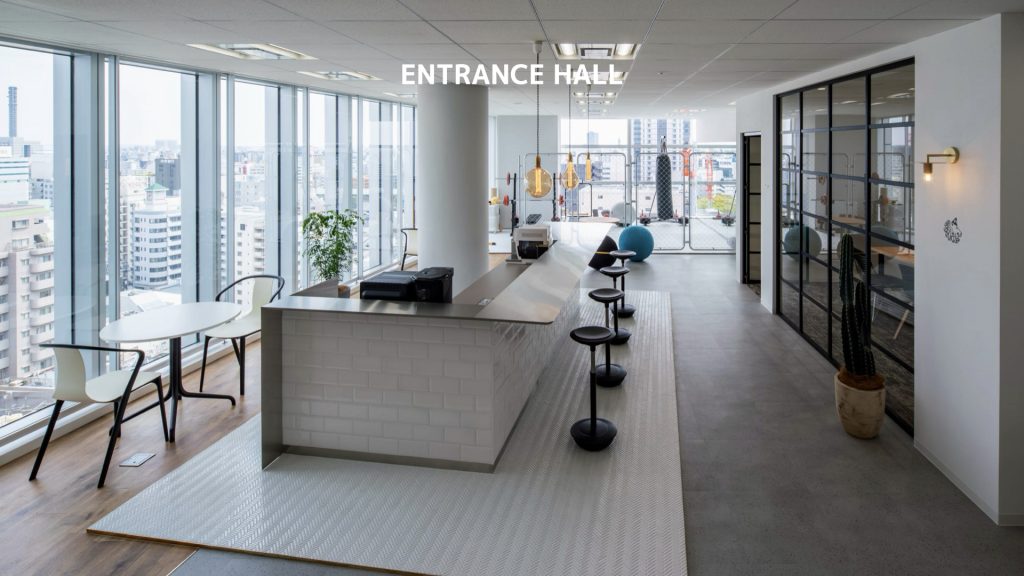
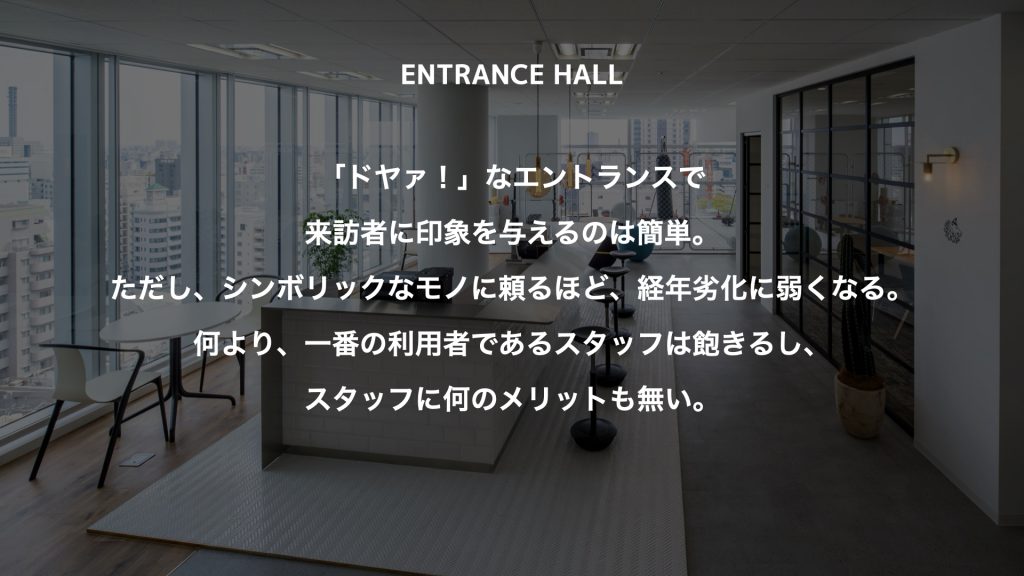
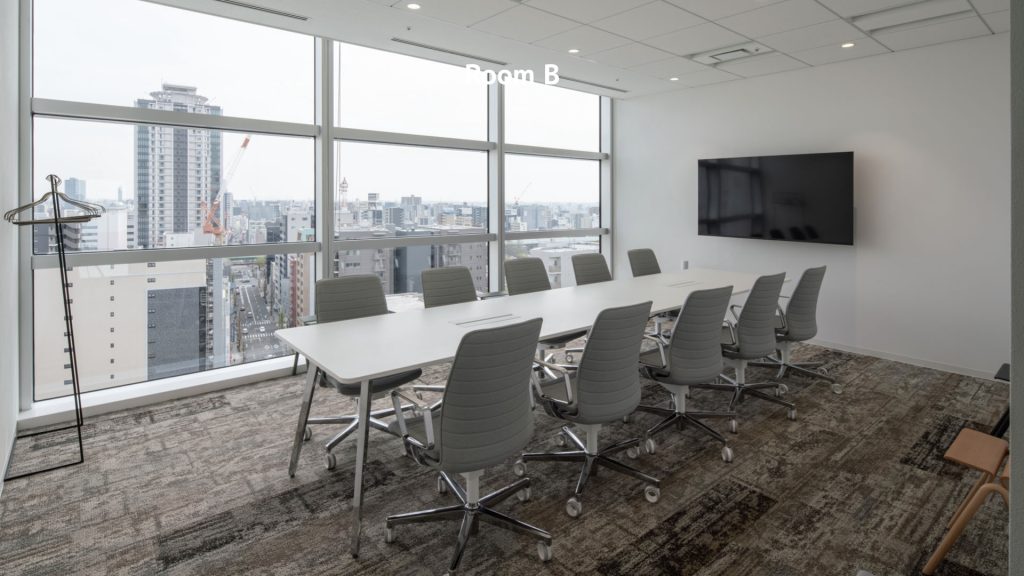
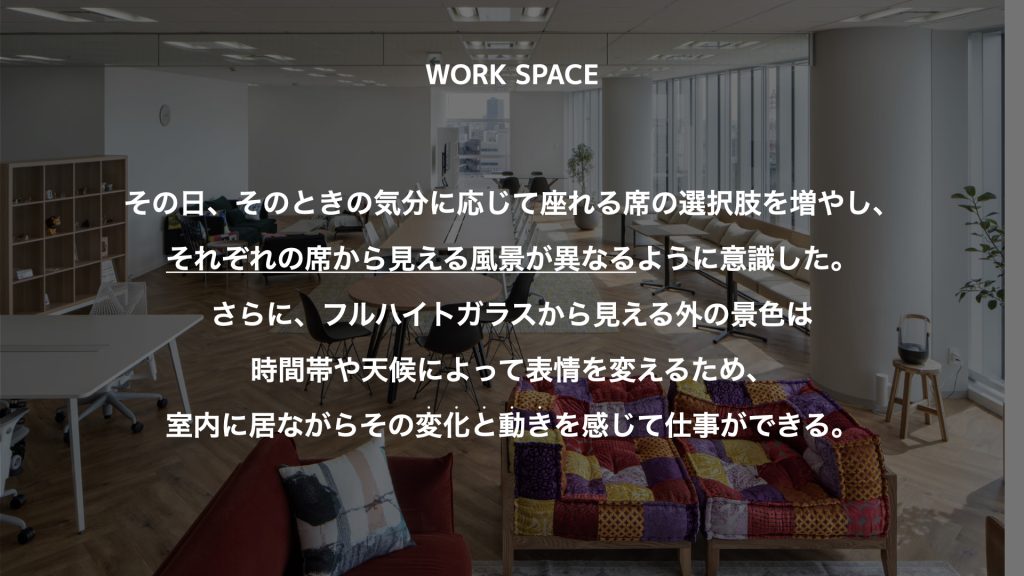
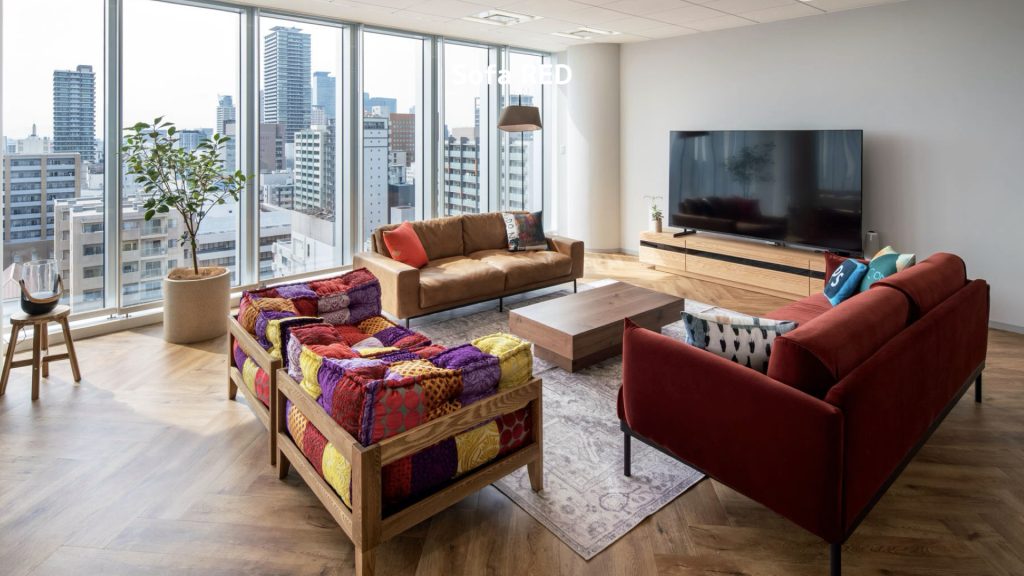
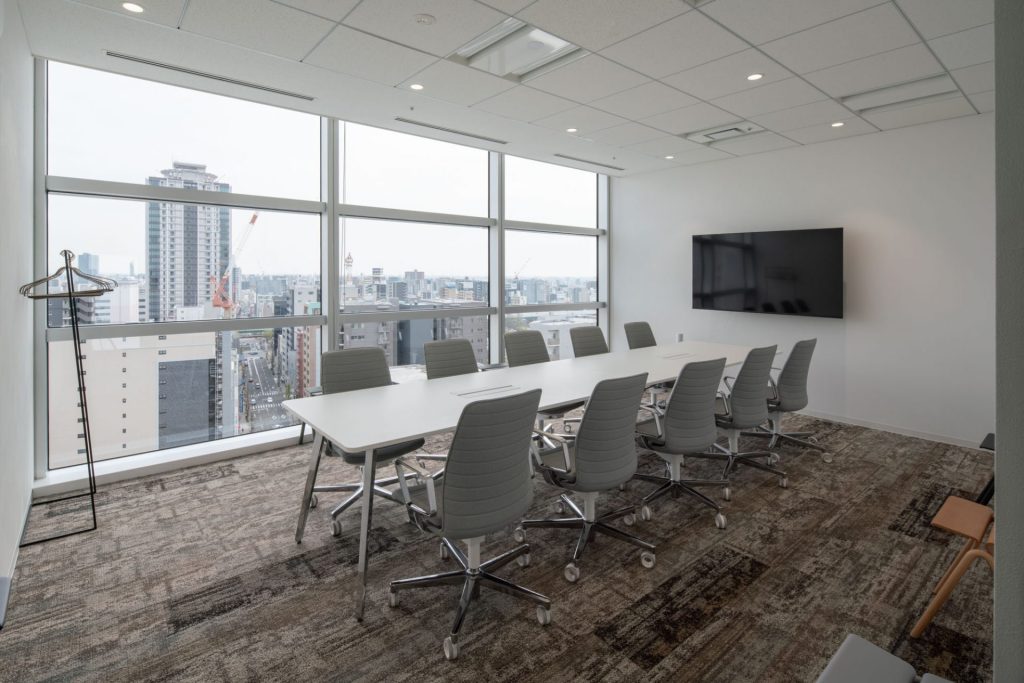
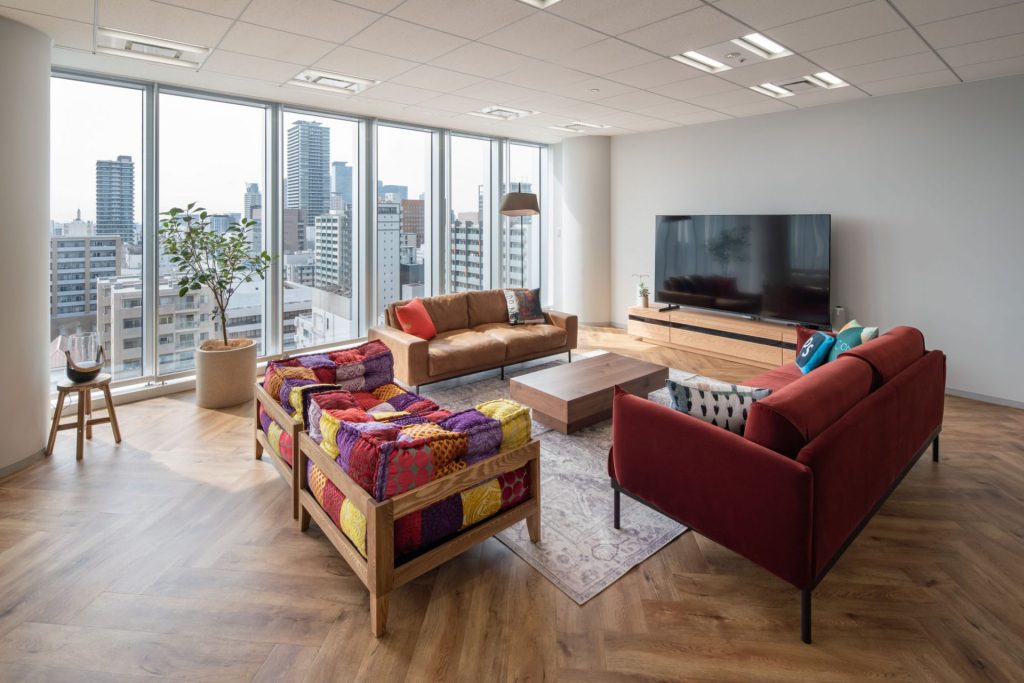
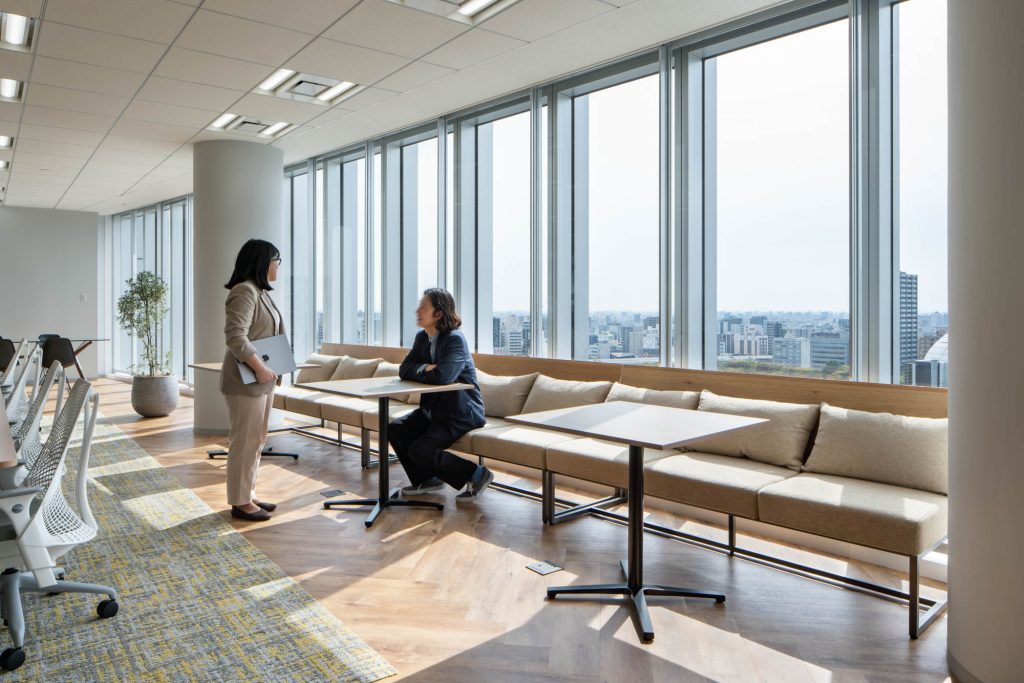
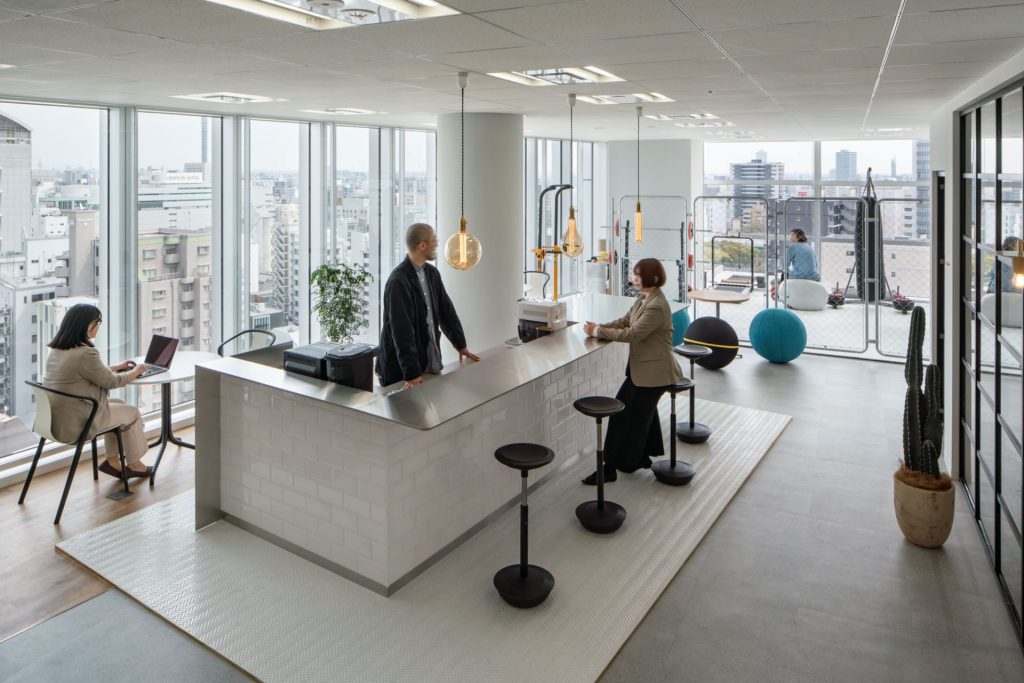
A panoramic view from the 14th floor, the highest floor, with full-height glass windows on three sides, creating a space that combines a sense of openness and exclusivity. Not only was it easy to get to, but it also met the conditions to make the time spent there "BETTER."
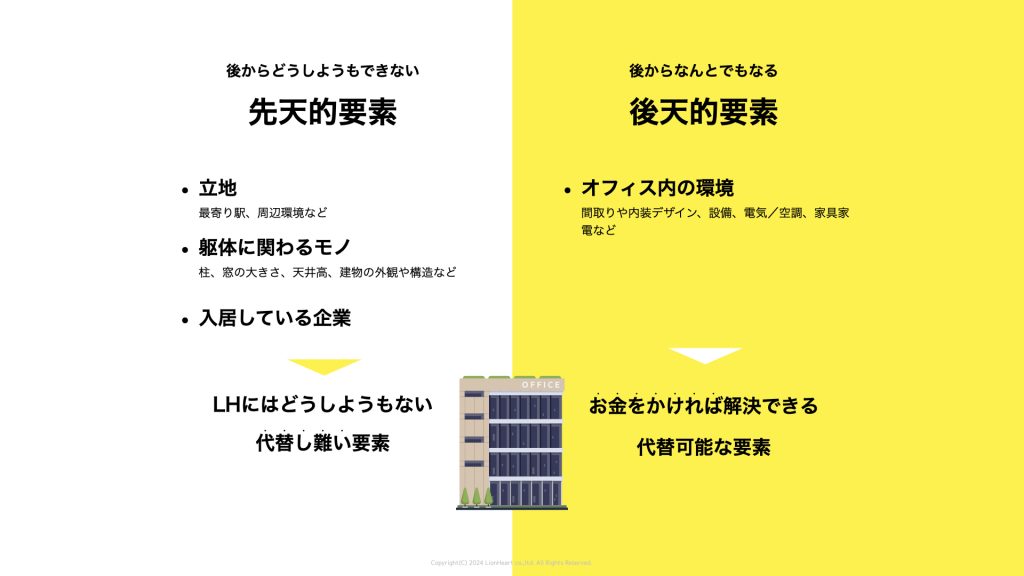
Location and property (building) are irreplaceable elements that cannot be fully compensated for by interior design, so they must be chosen carefully.
Interior design
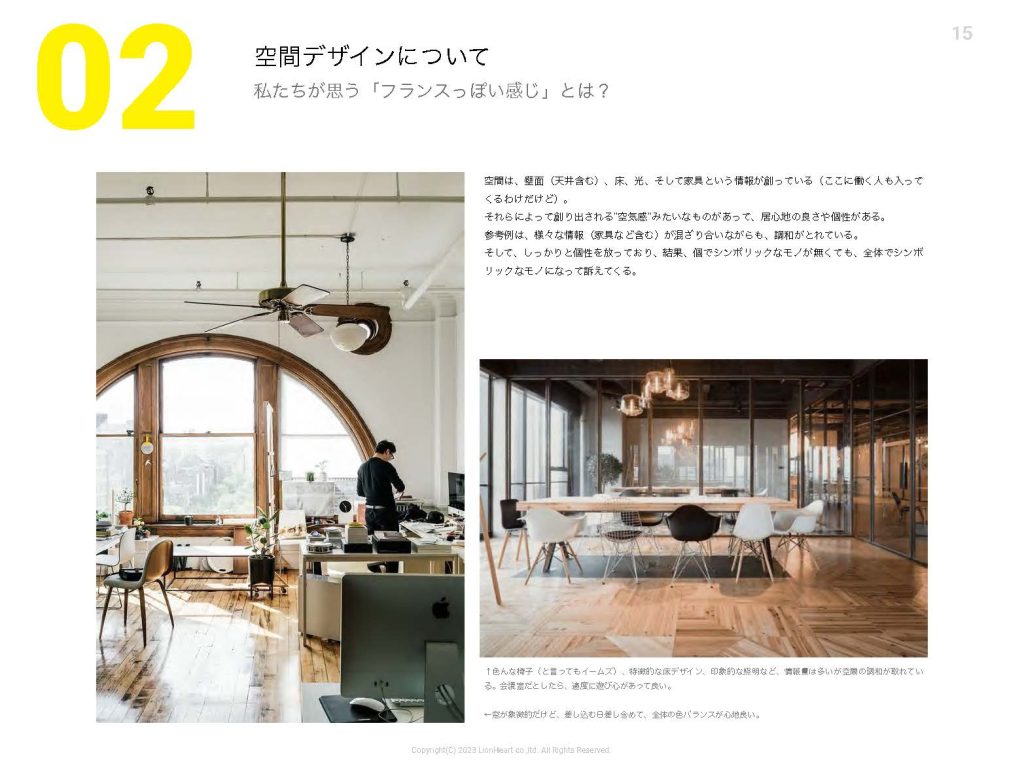
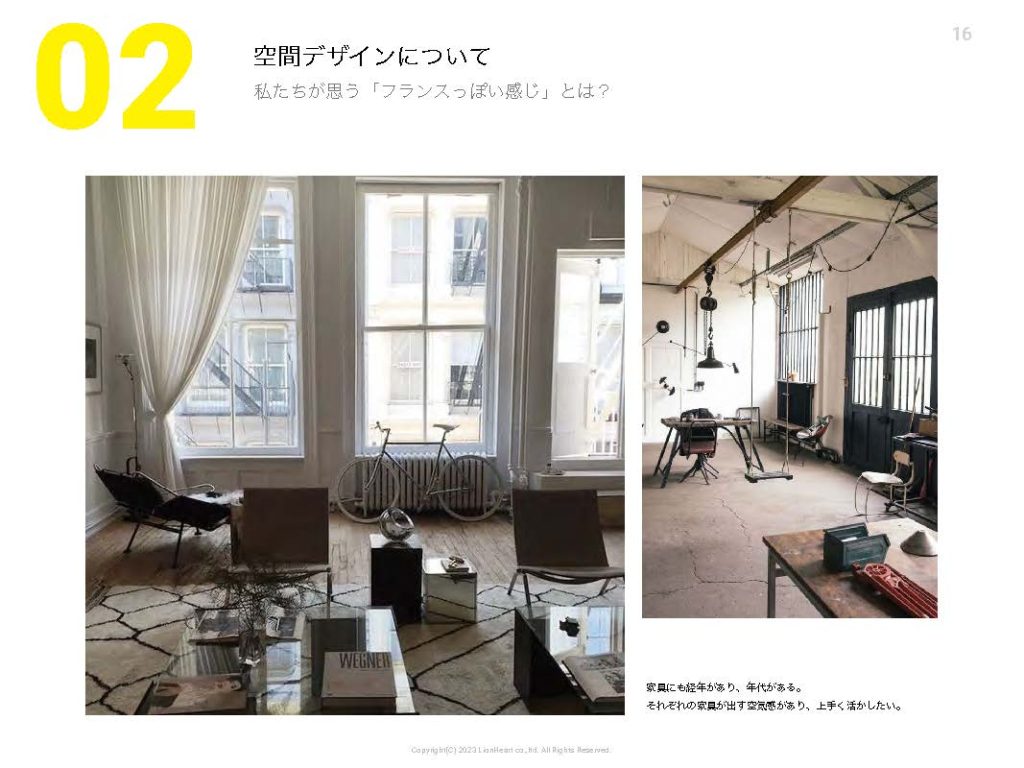
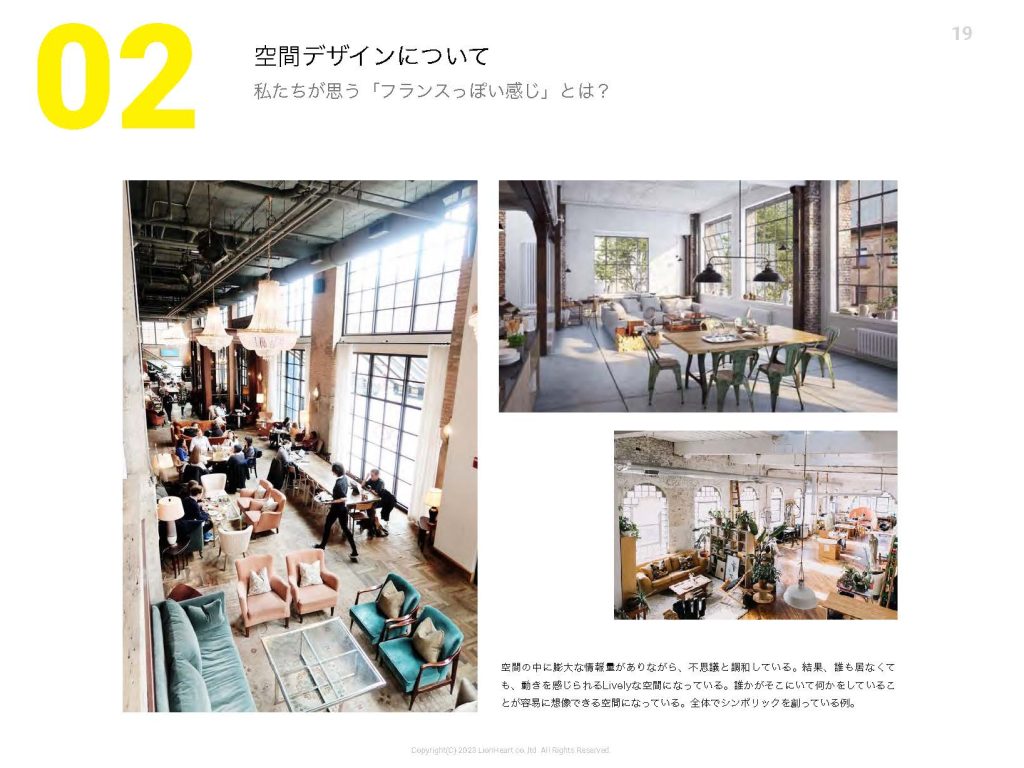
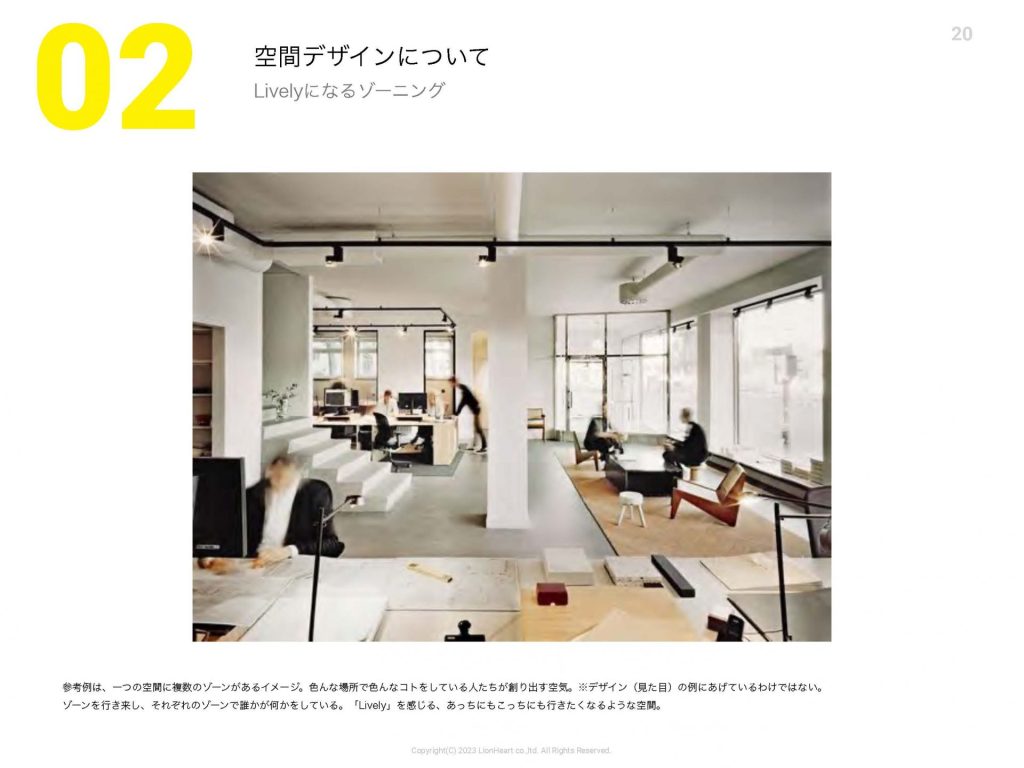
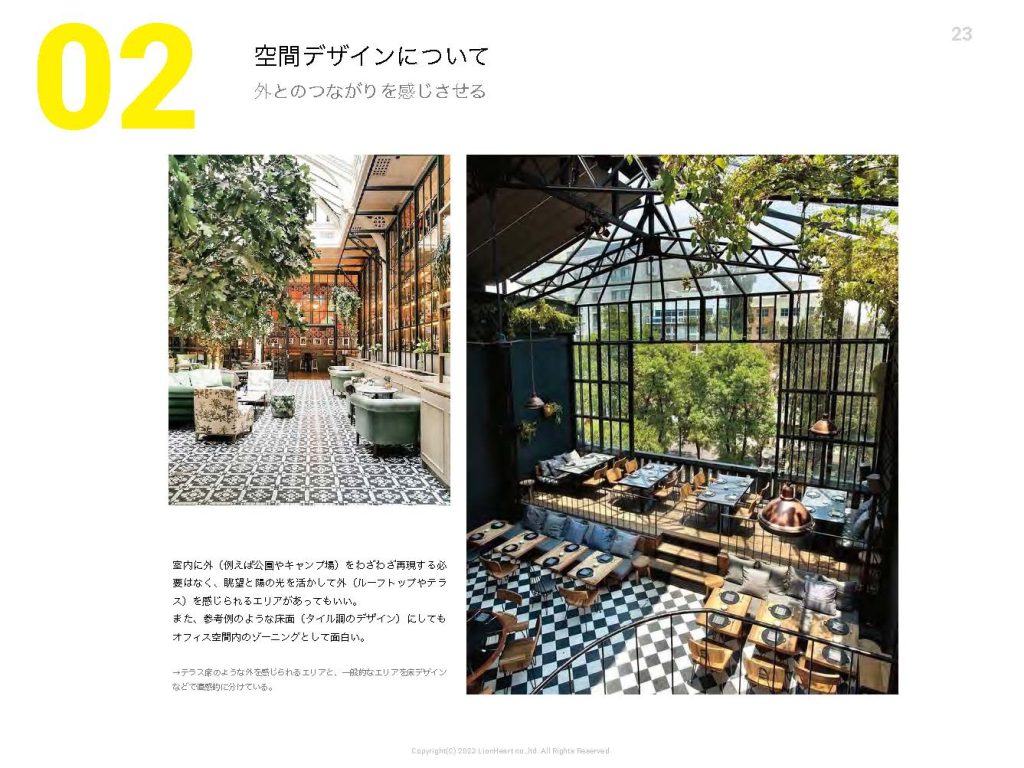
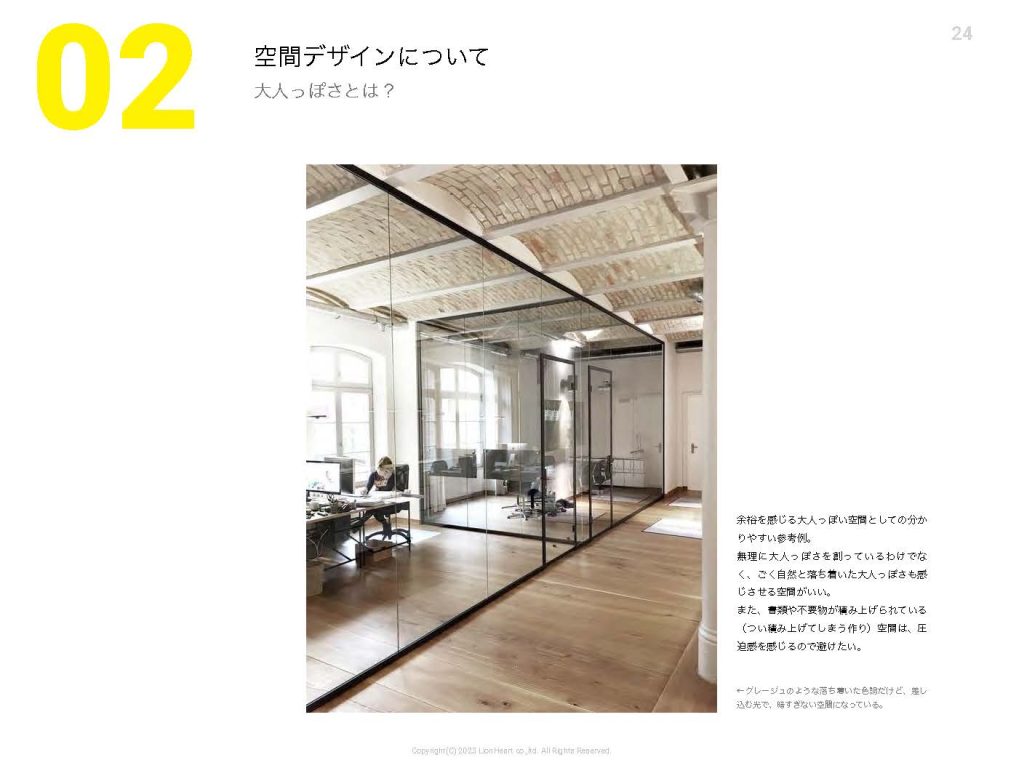
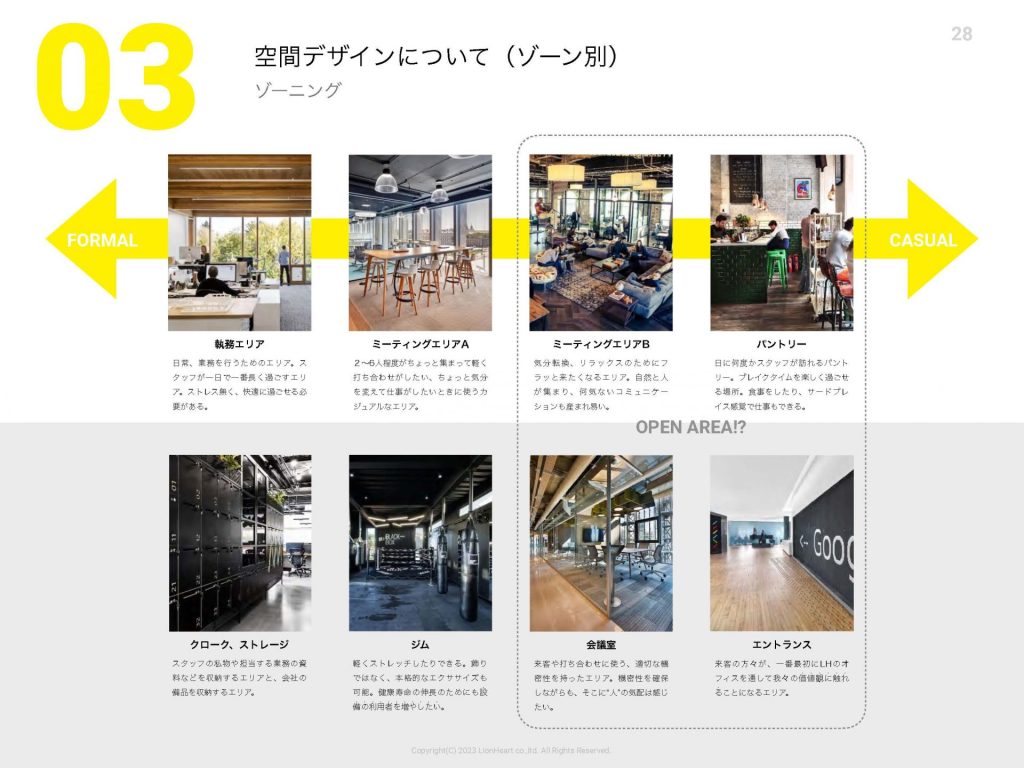
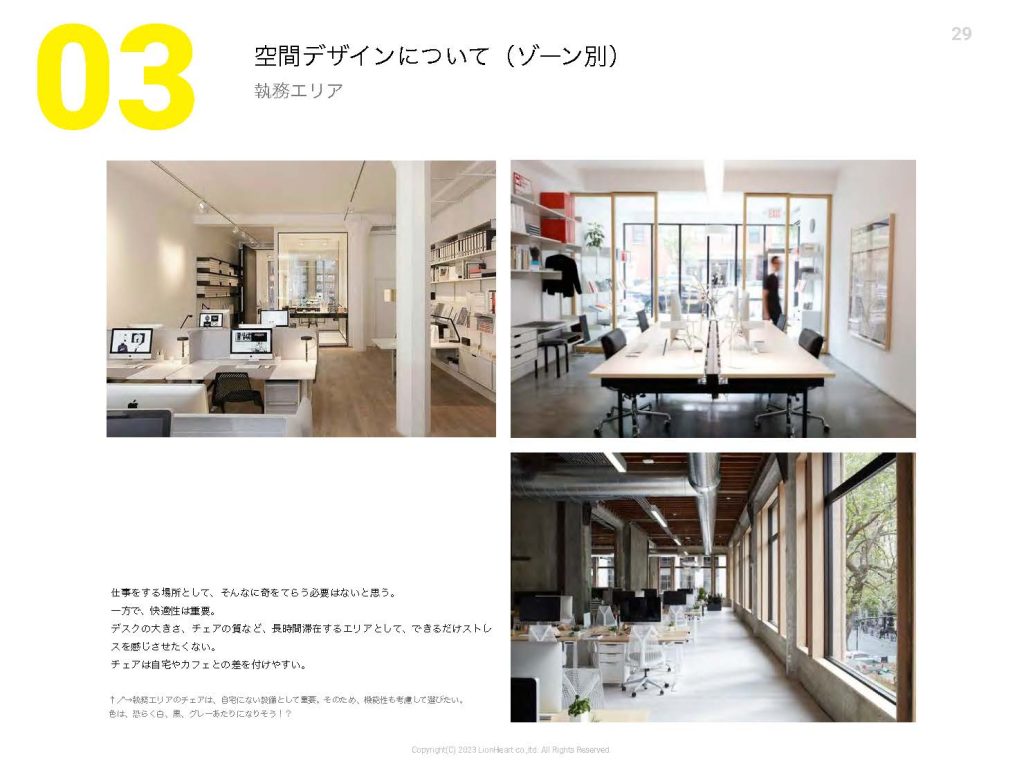
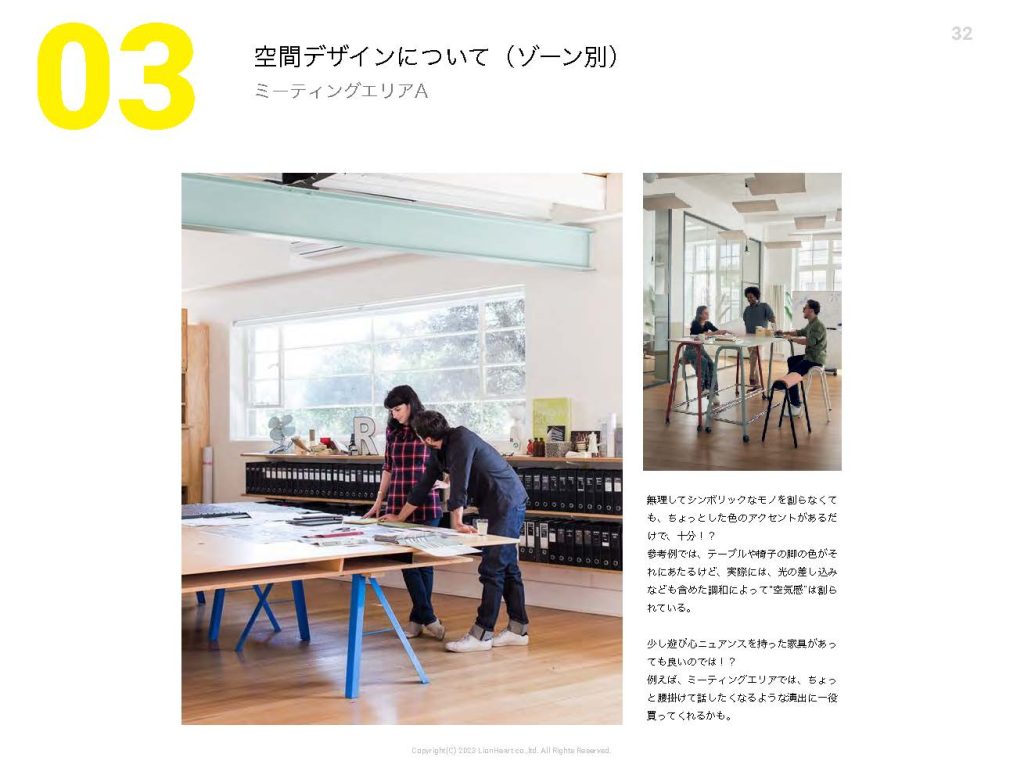
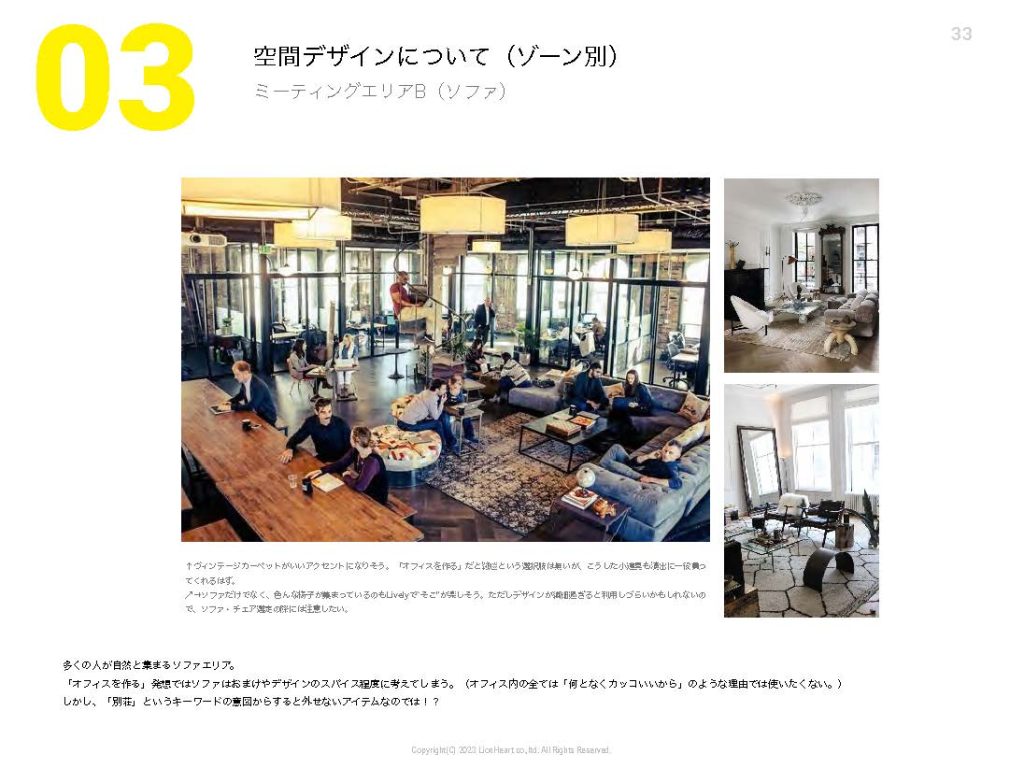
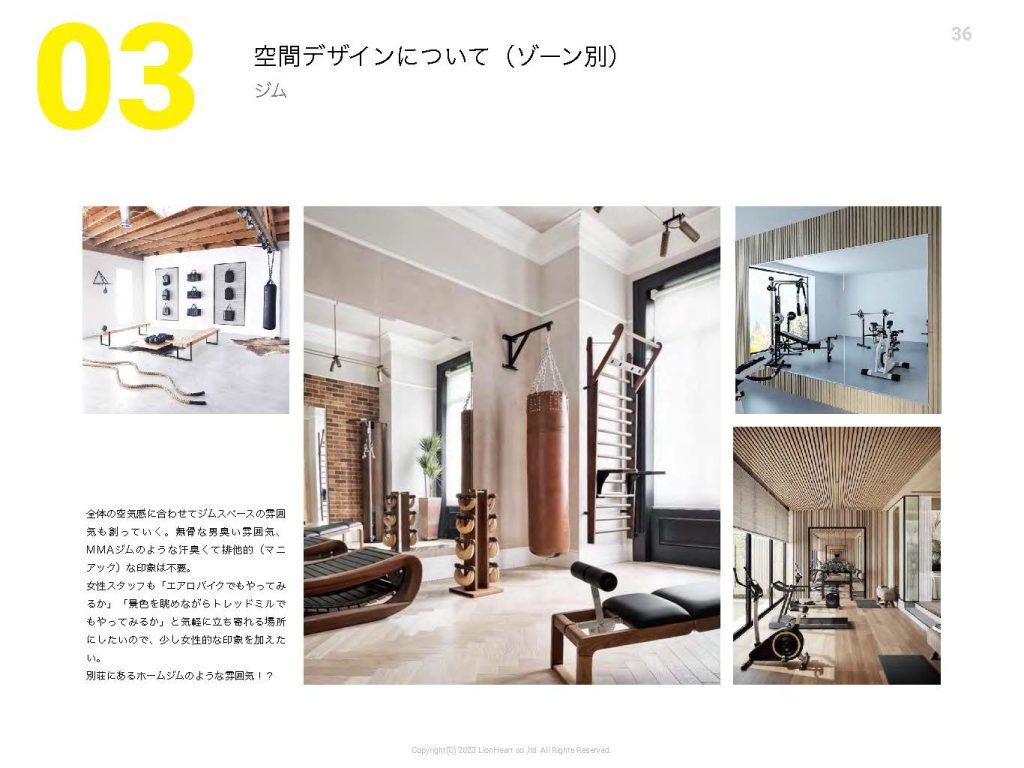
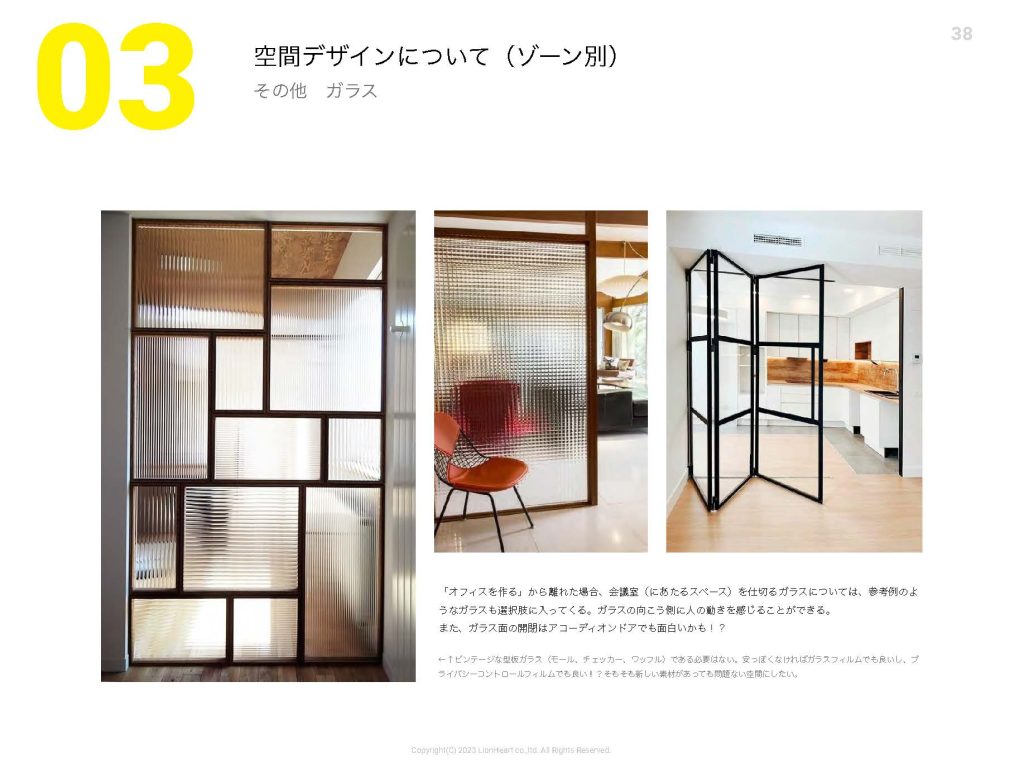
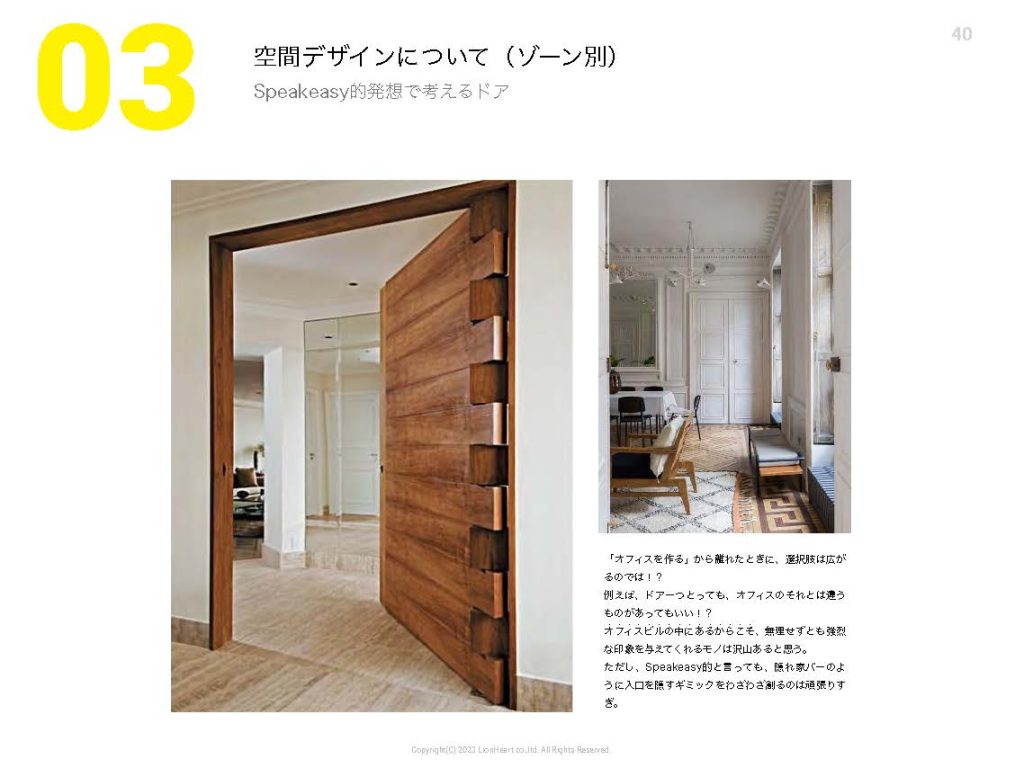
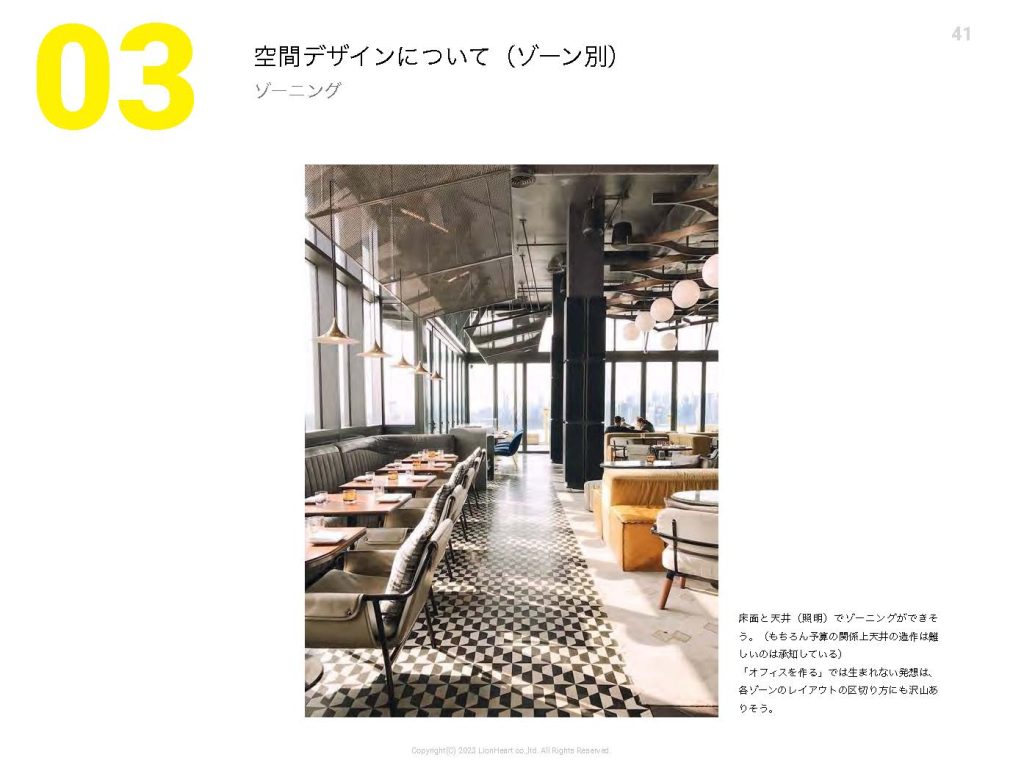
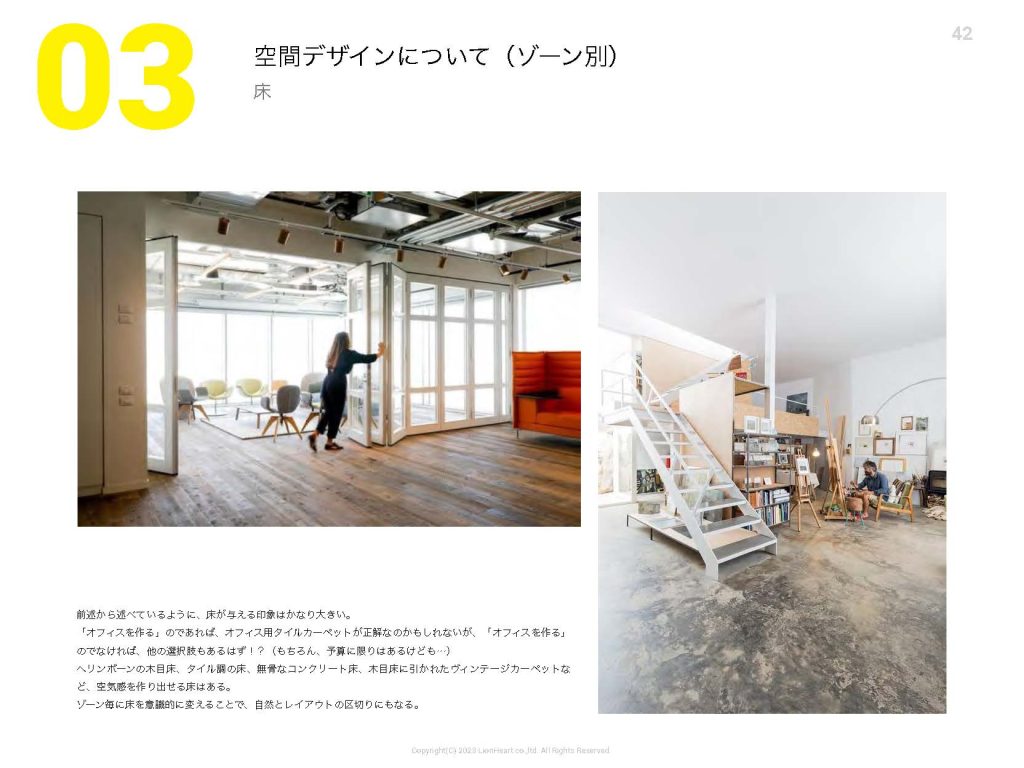
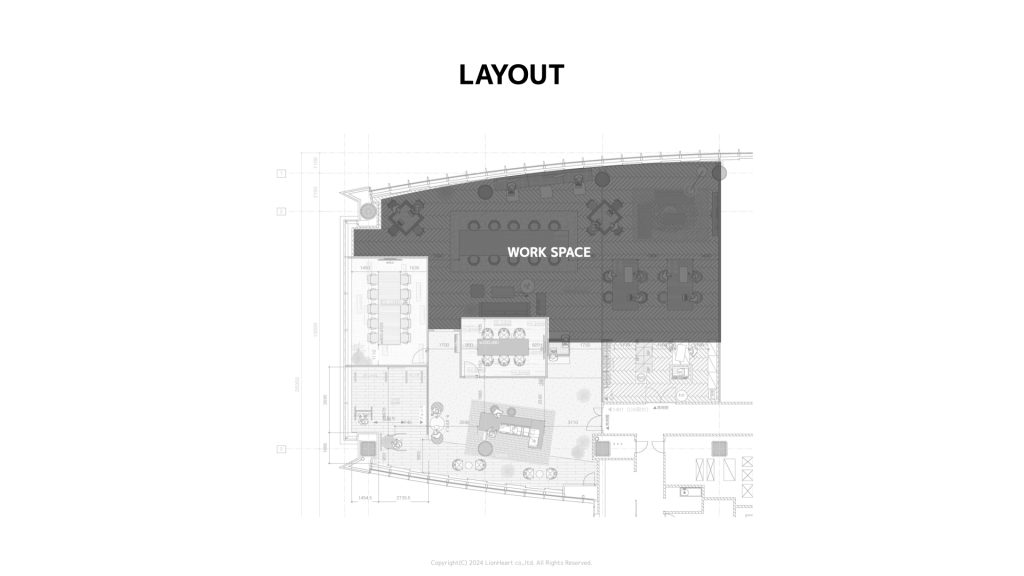
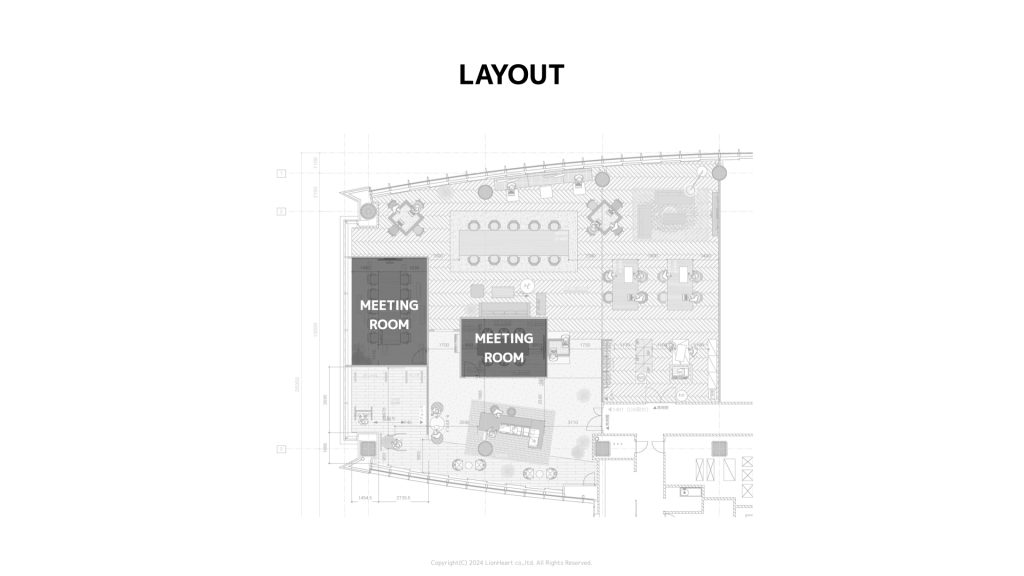
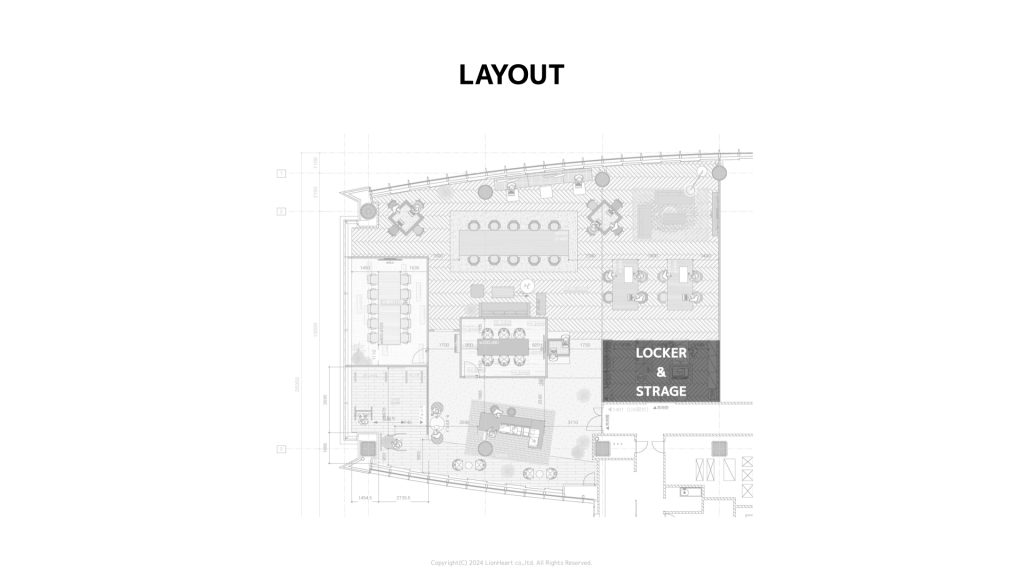
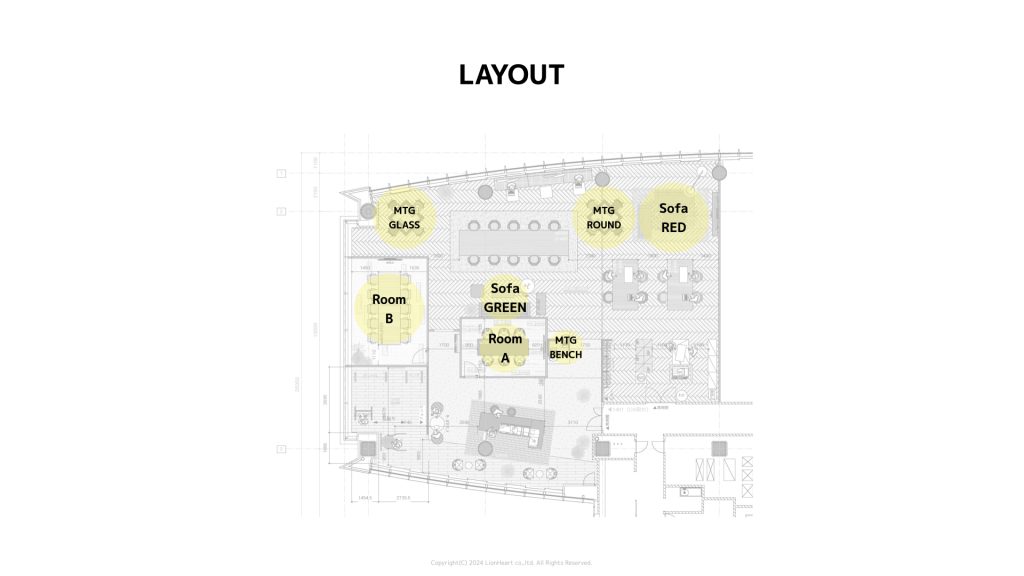
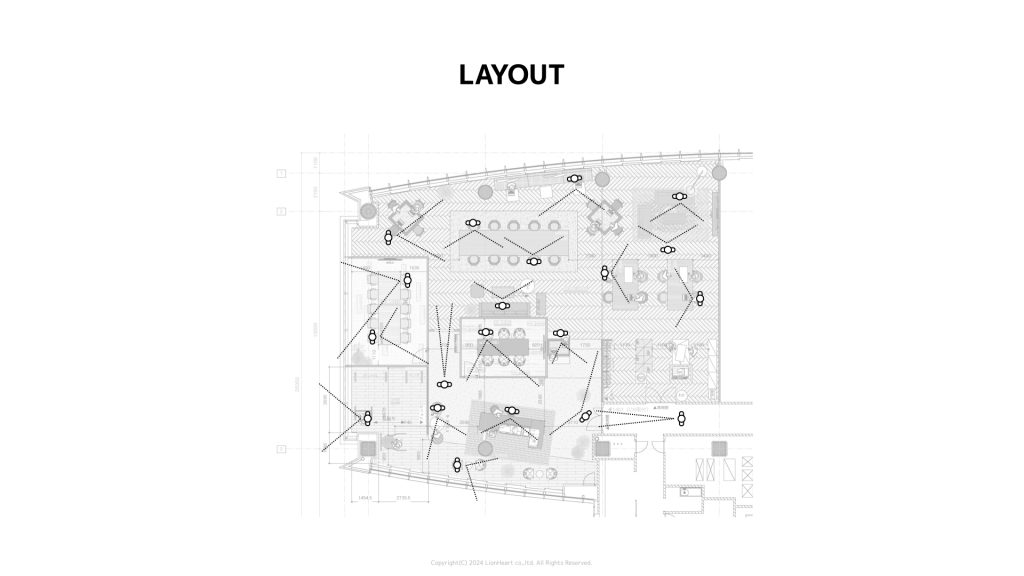
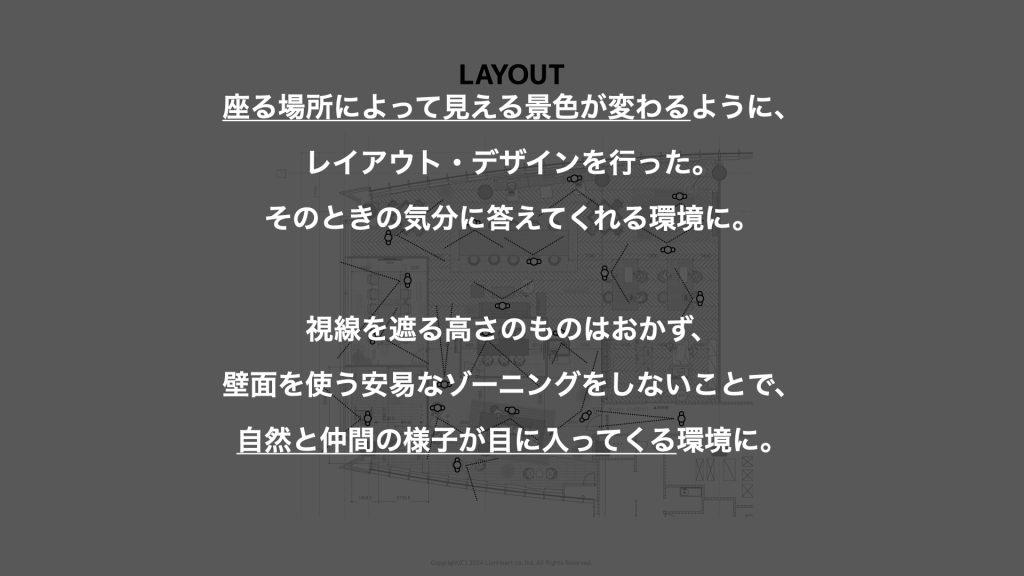
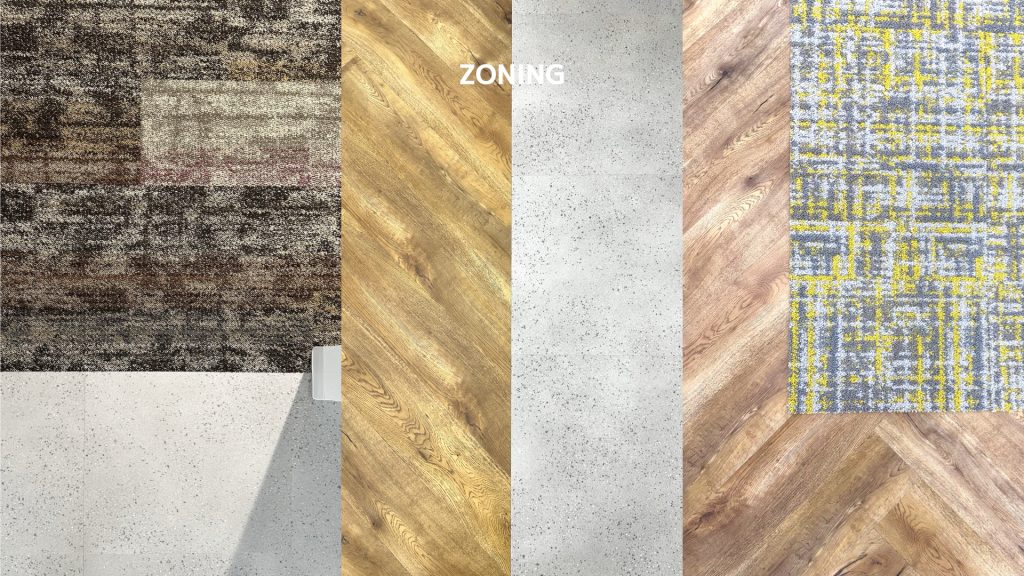
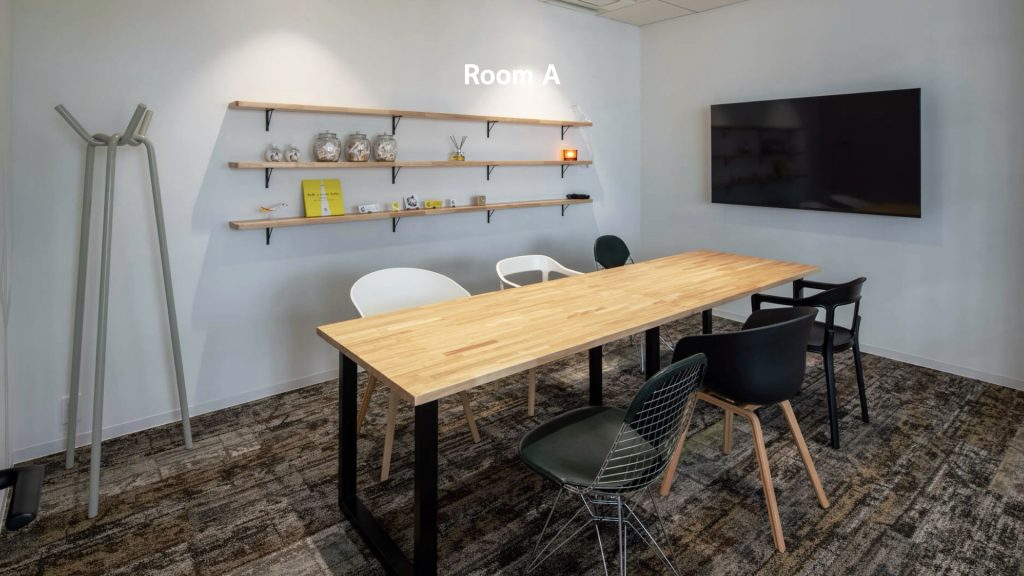
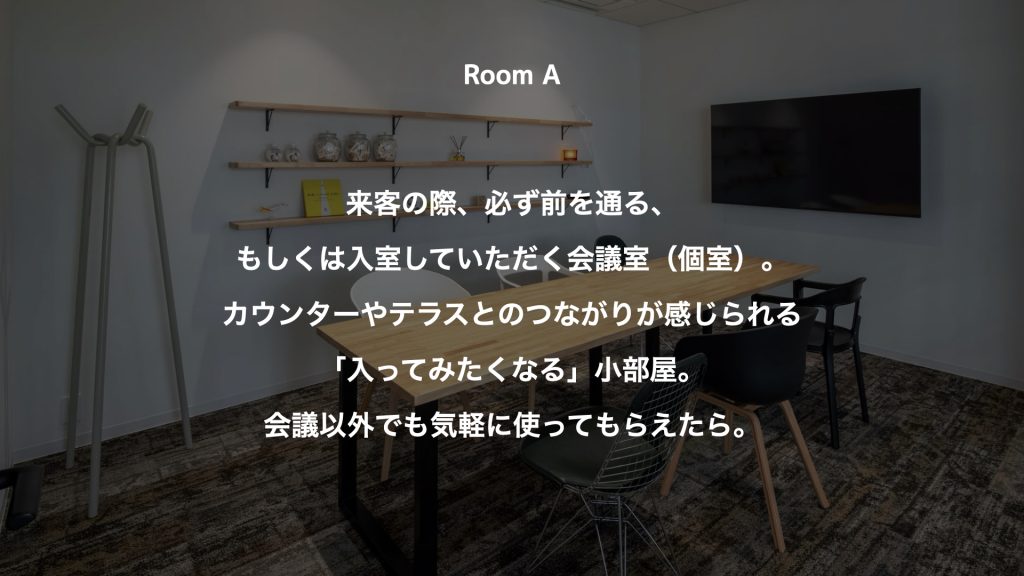
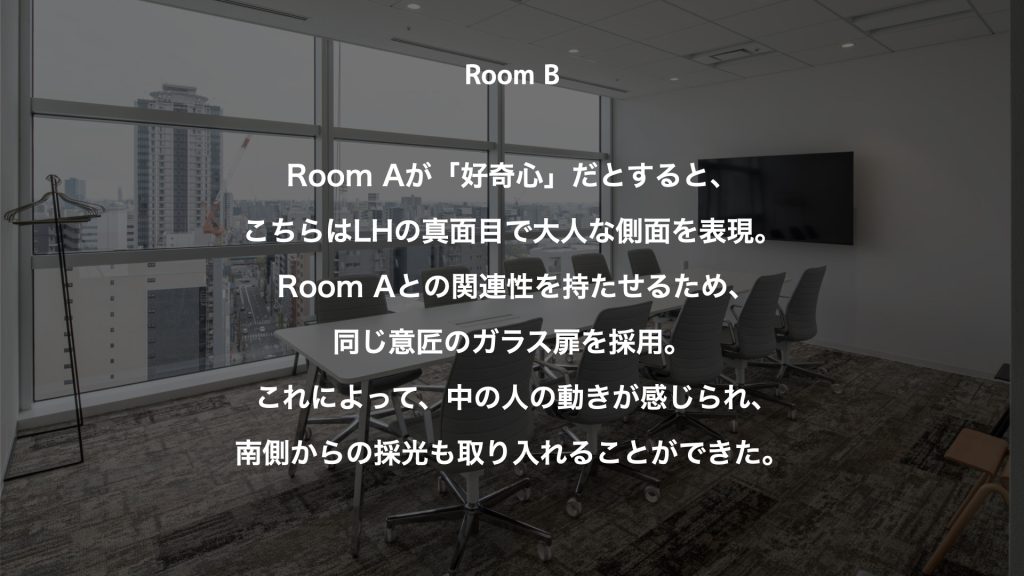
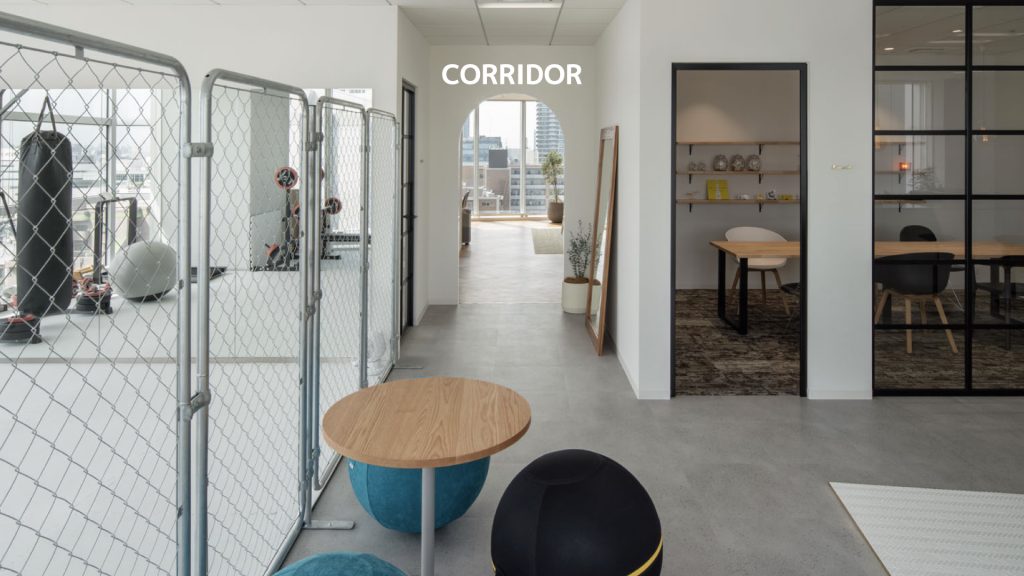
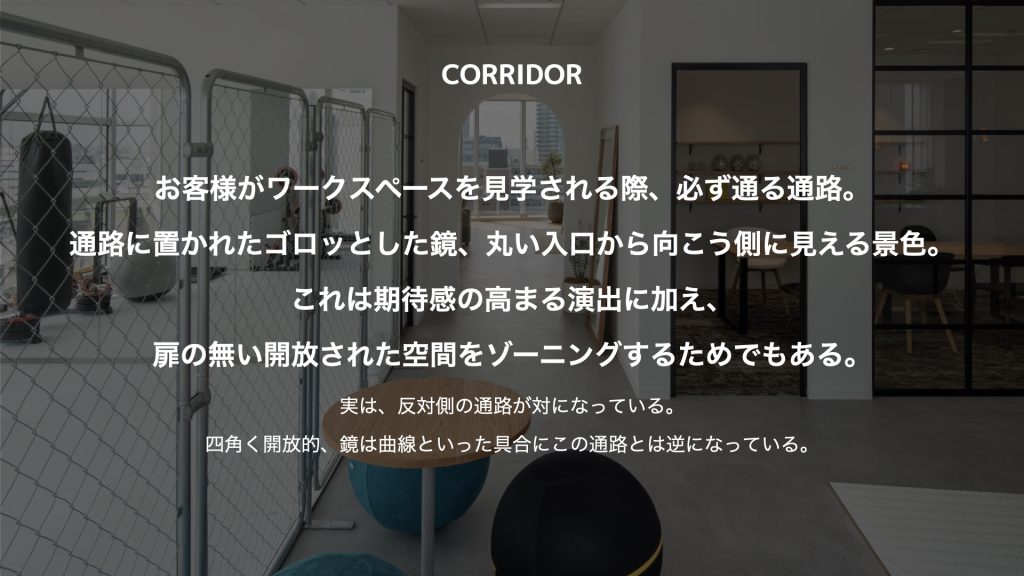
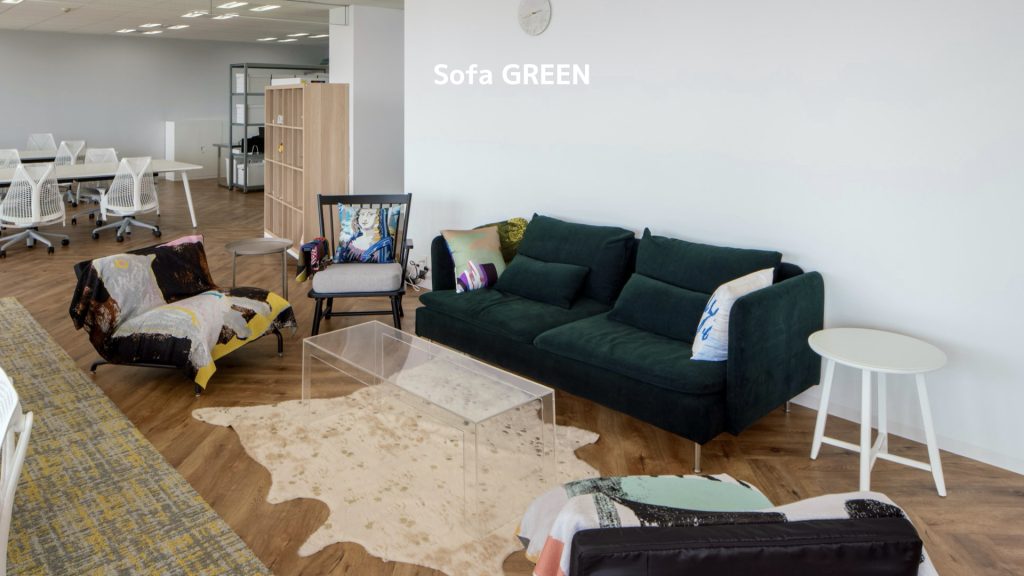
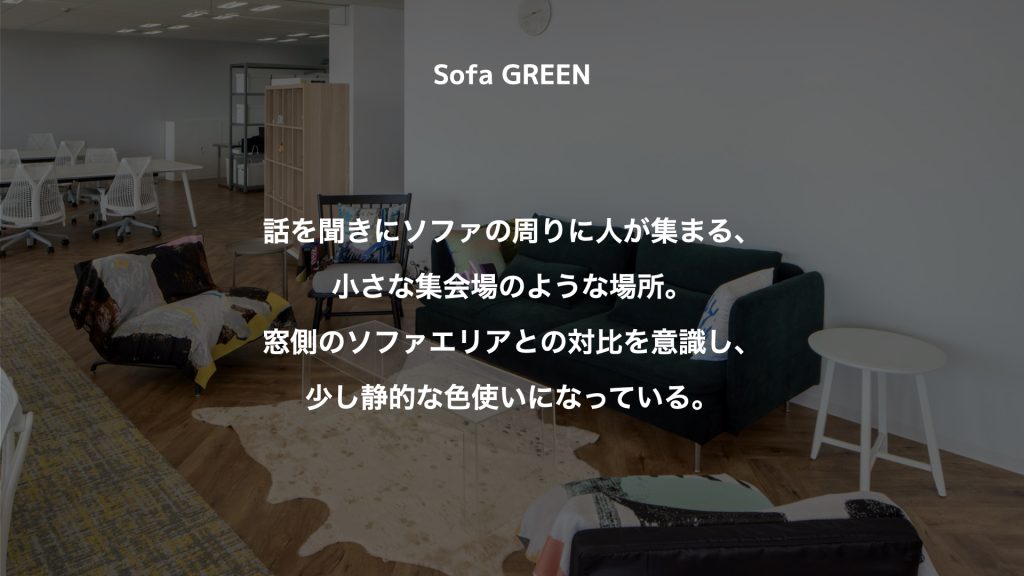
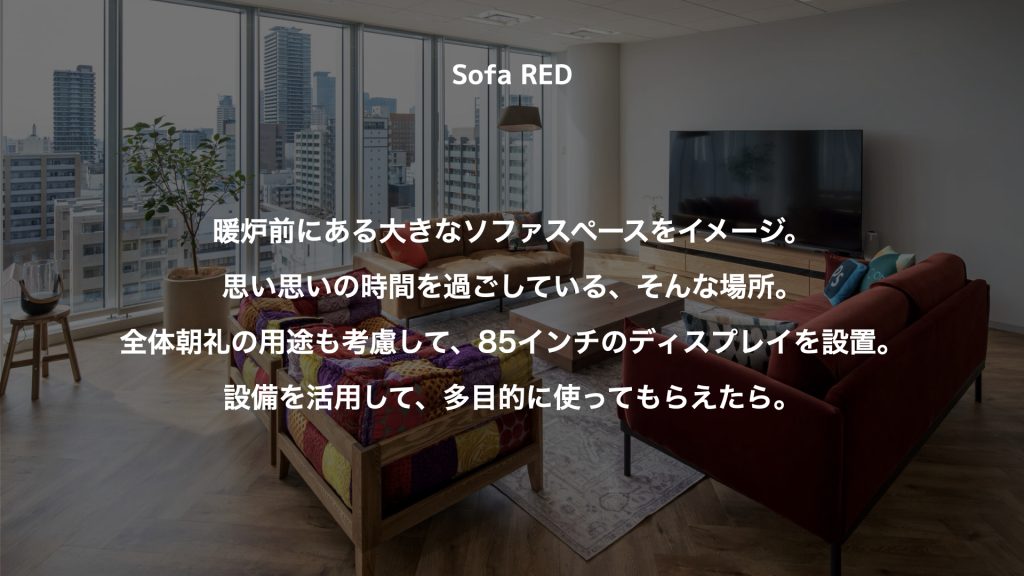
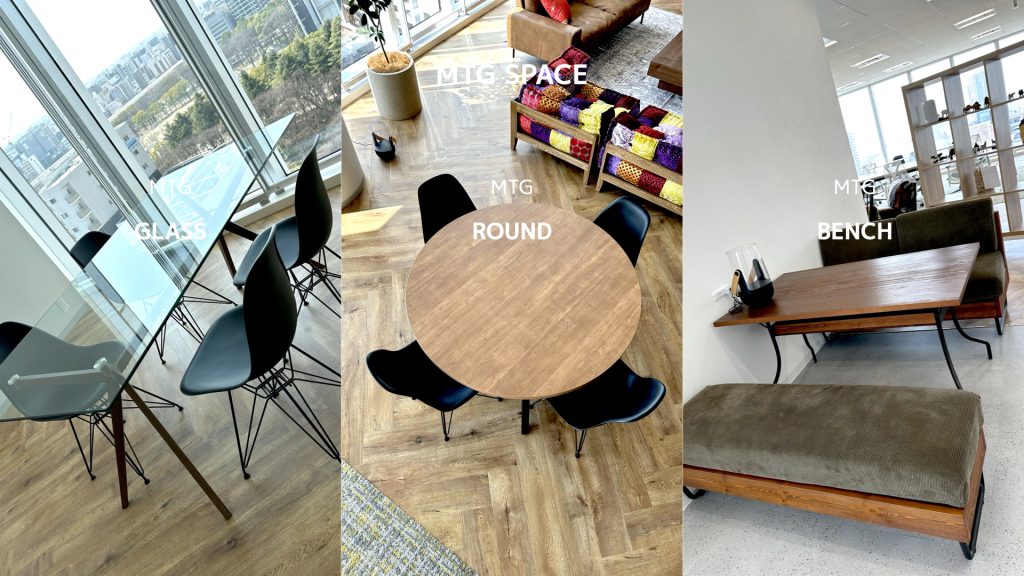
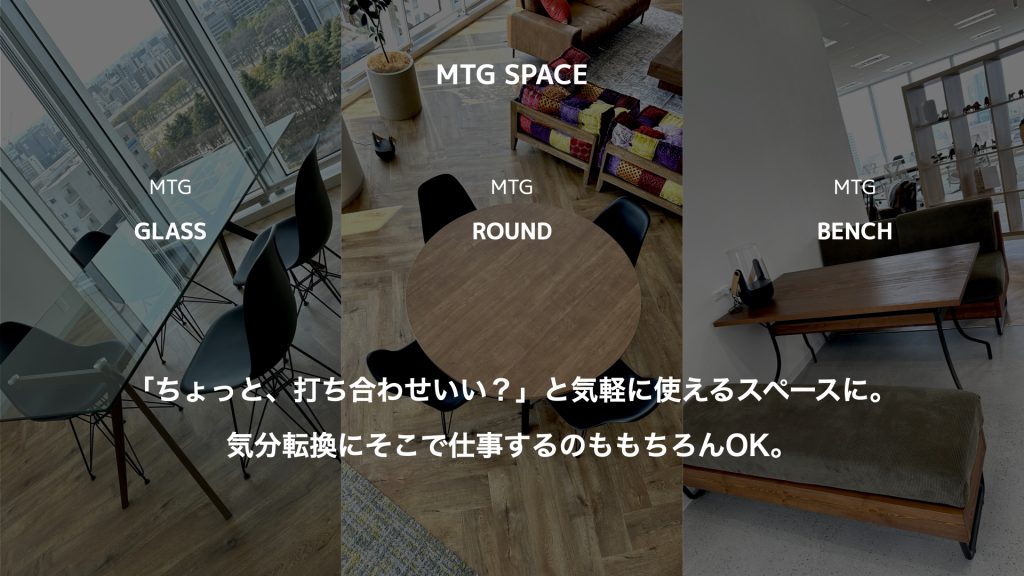
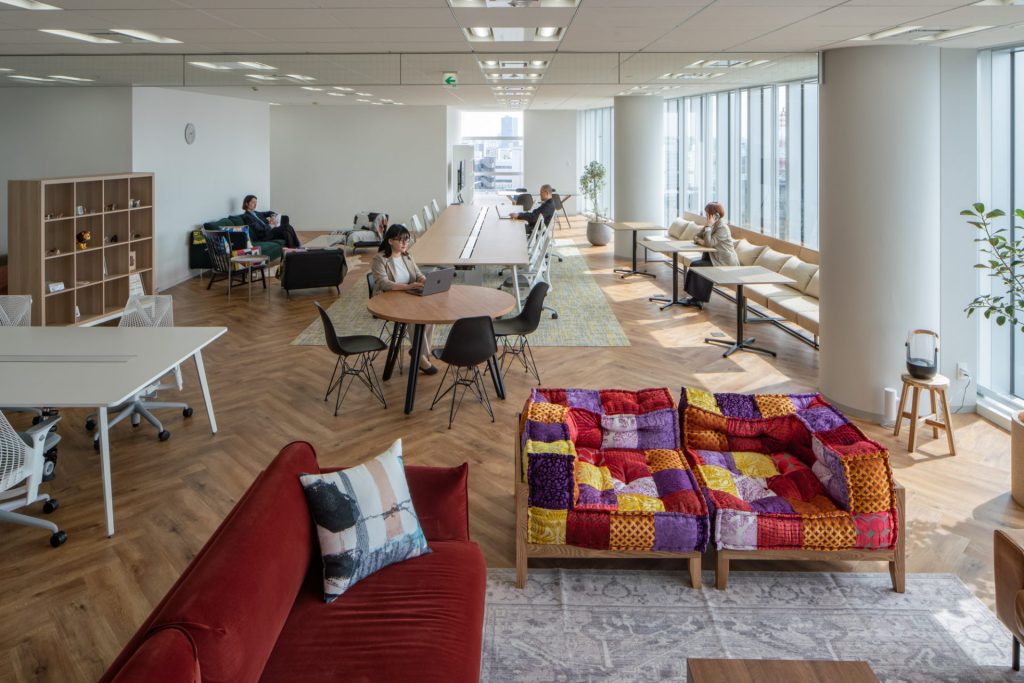
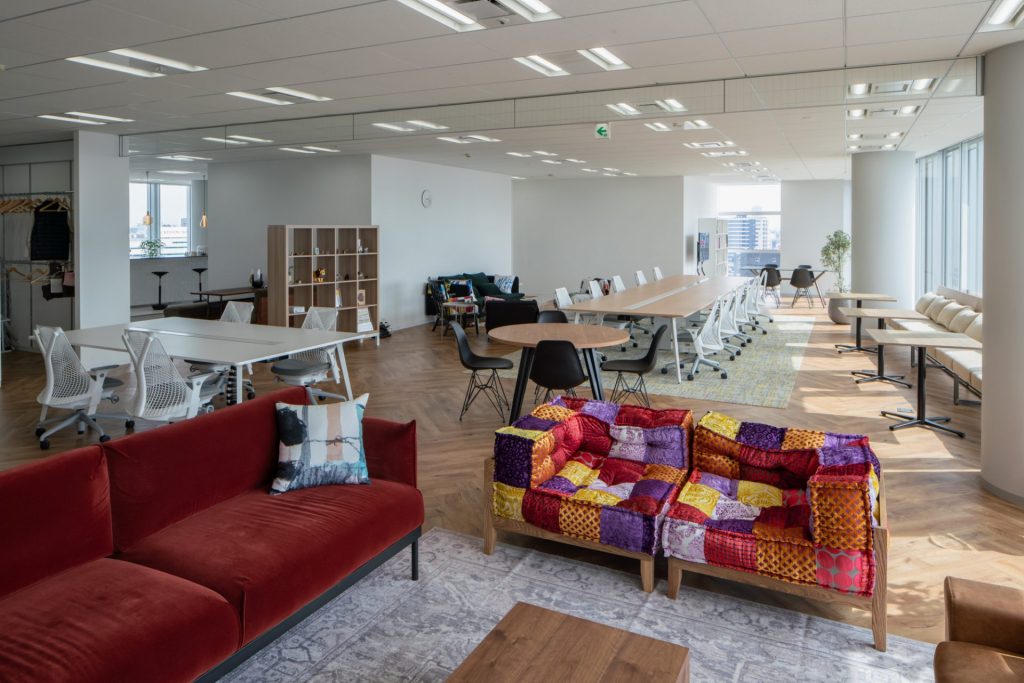
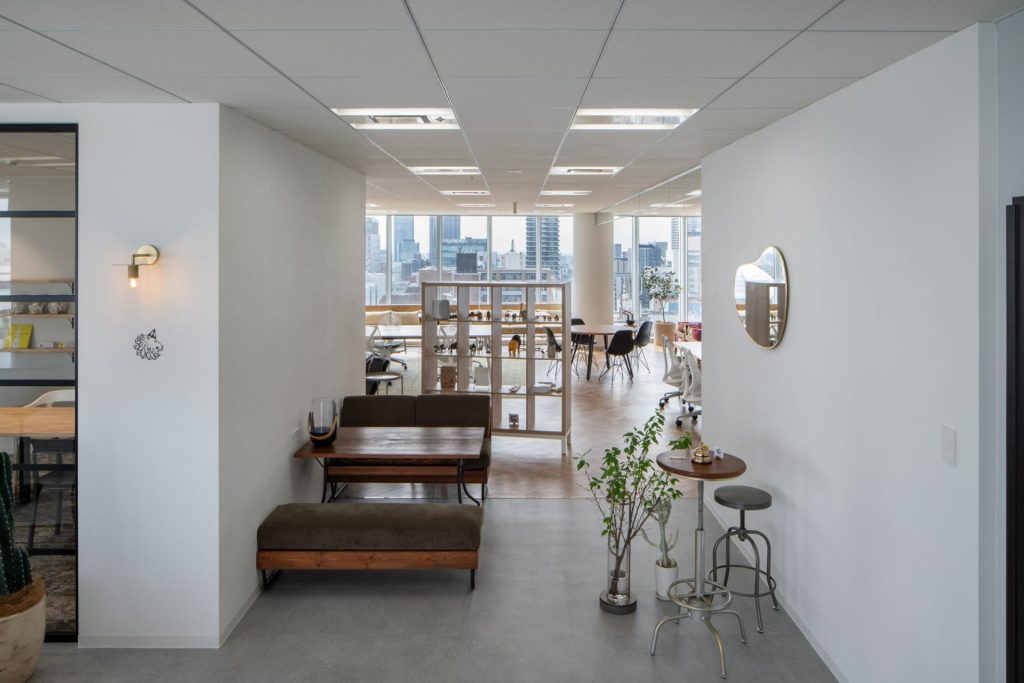
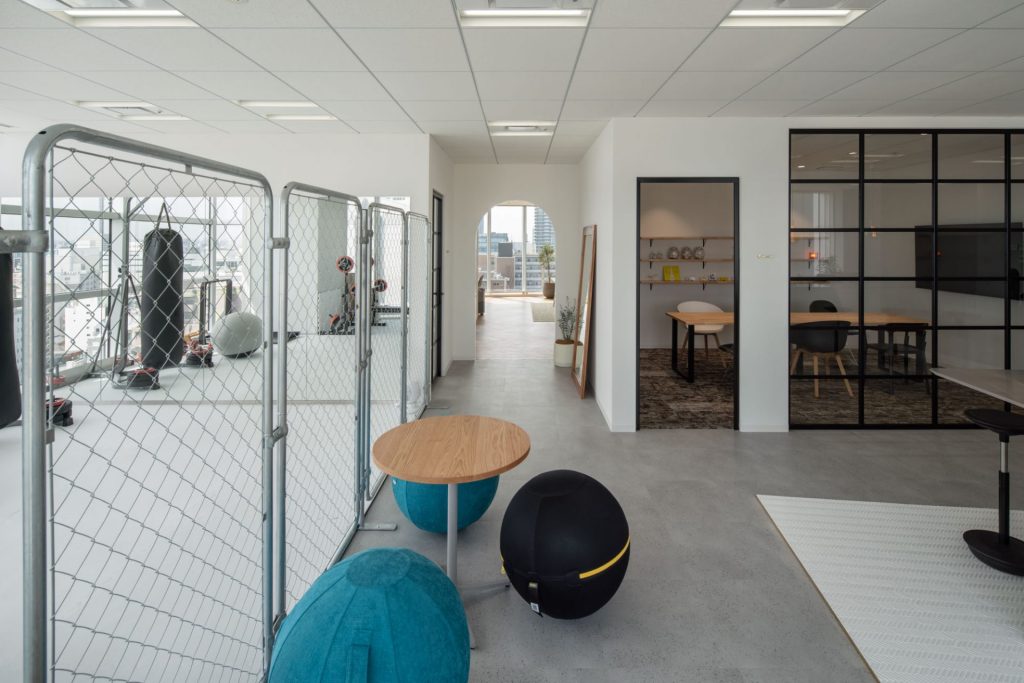
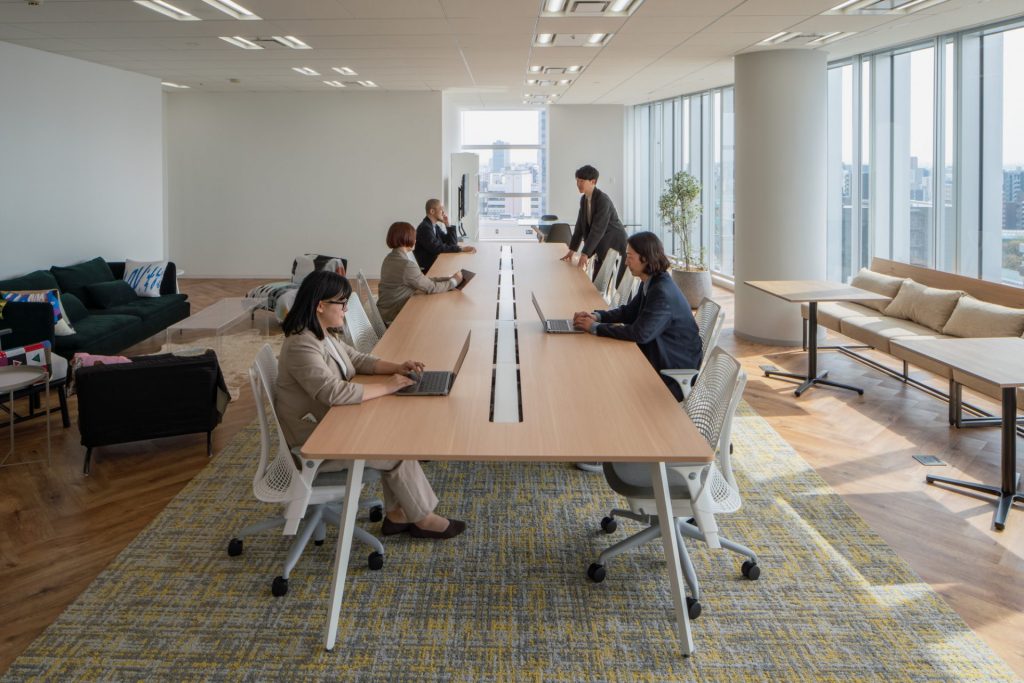
Fewer wallsA space where the expressions and appearances of companions look natural. Reduces feelings of loneliness and allows you to notice companions in need or moments of joy.
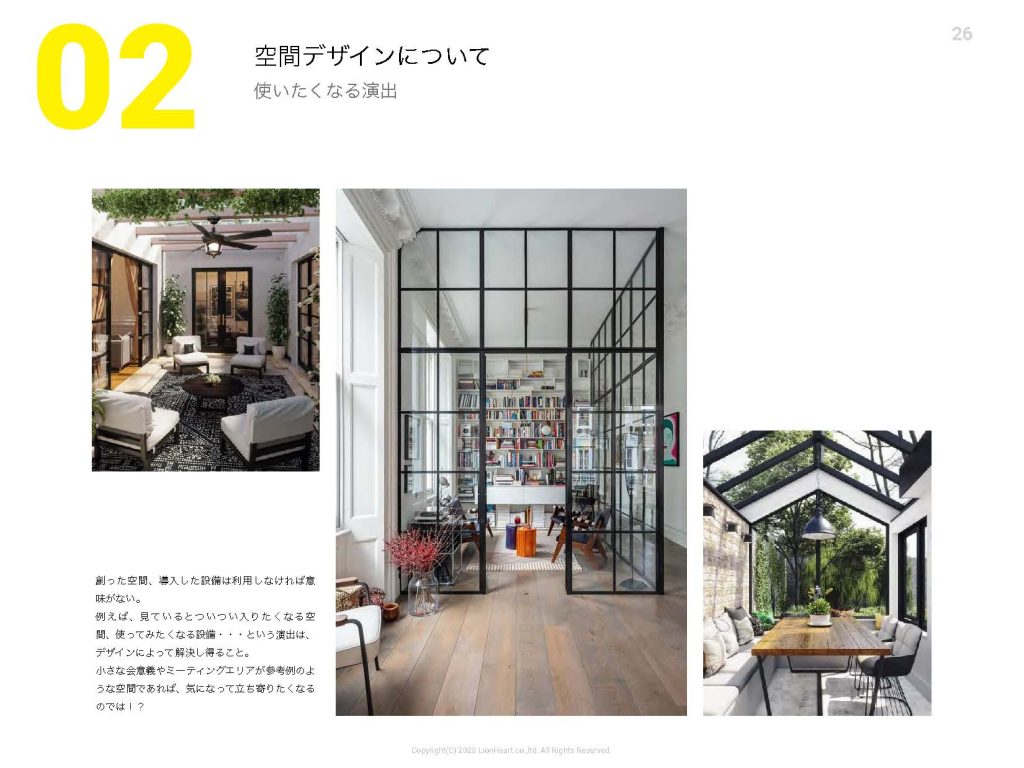
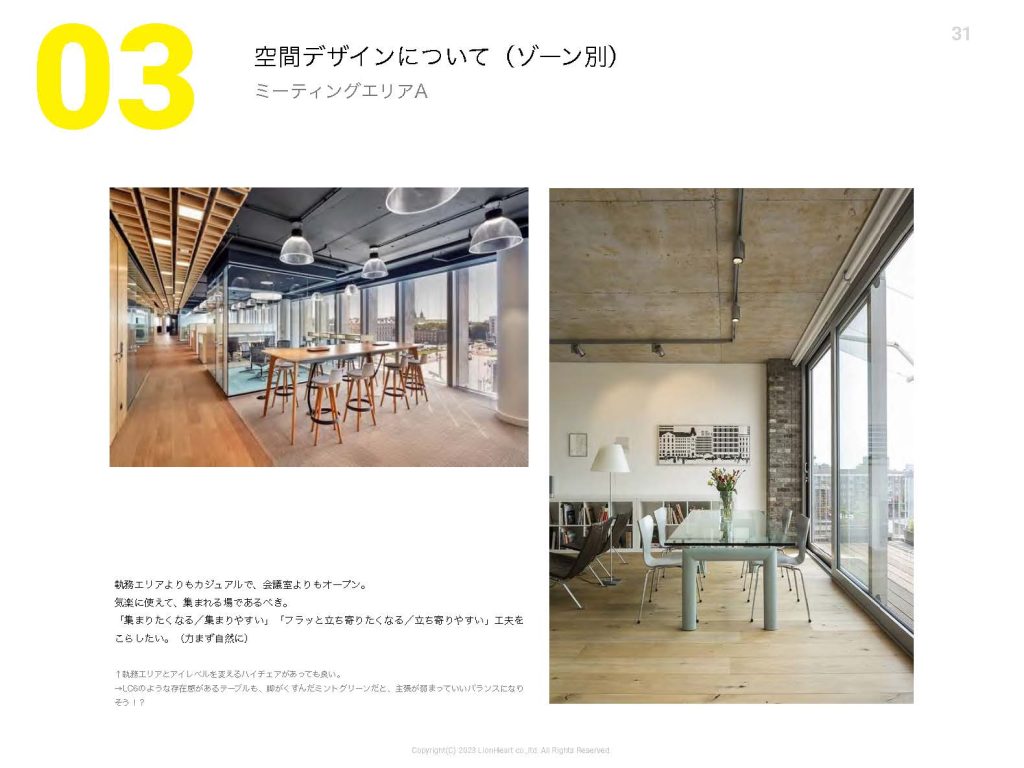
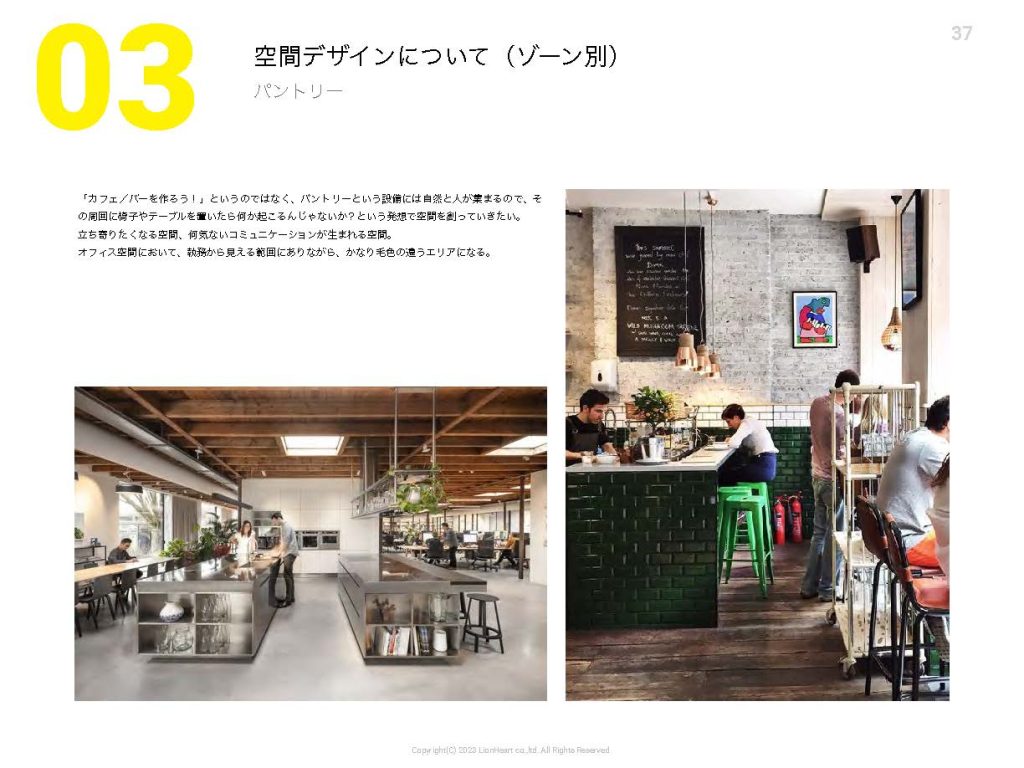
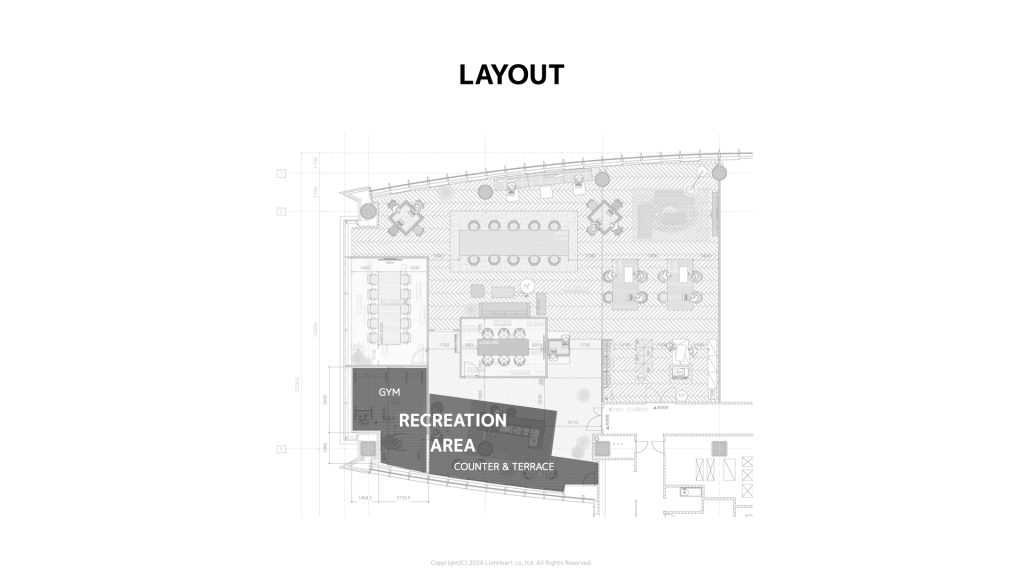
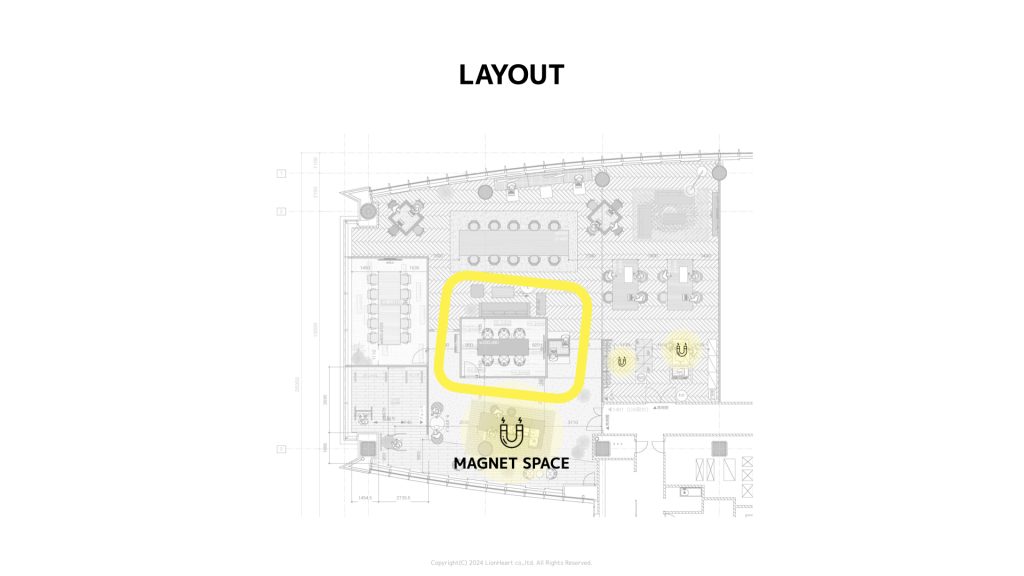
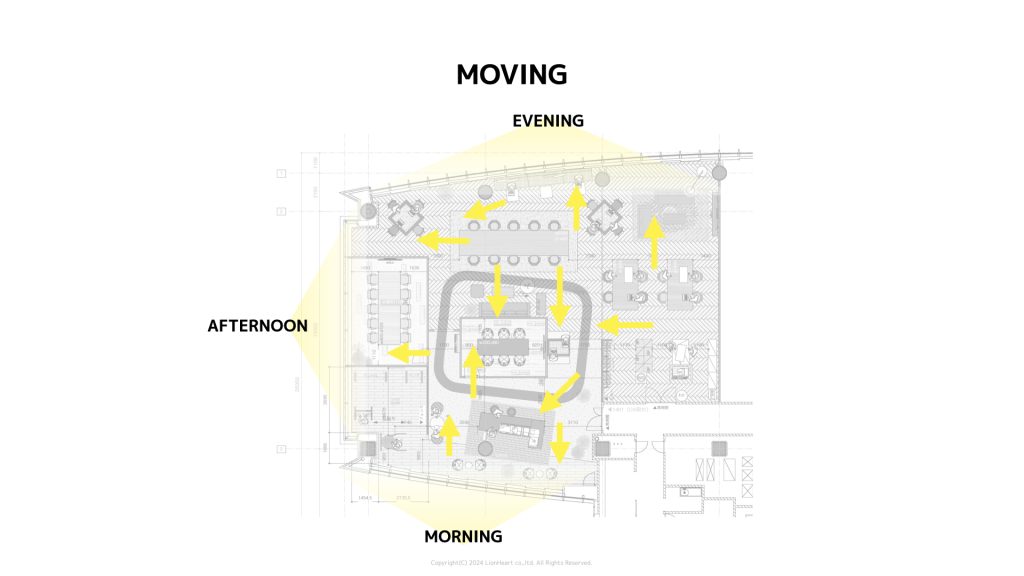
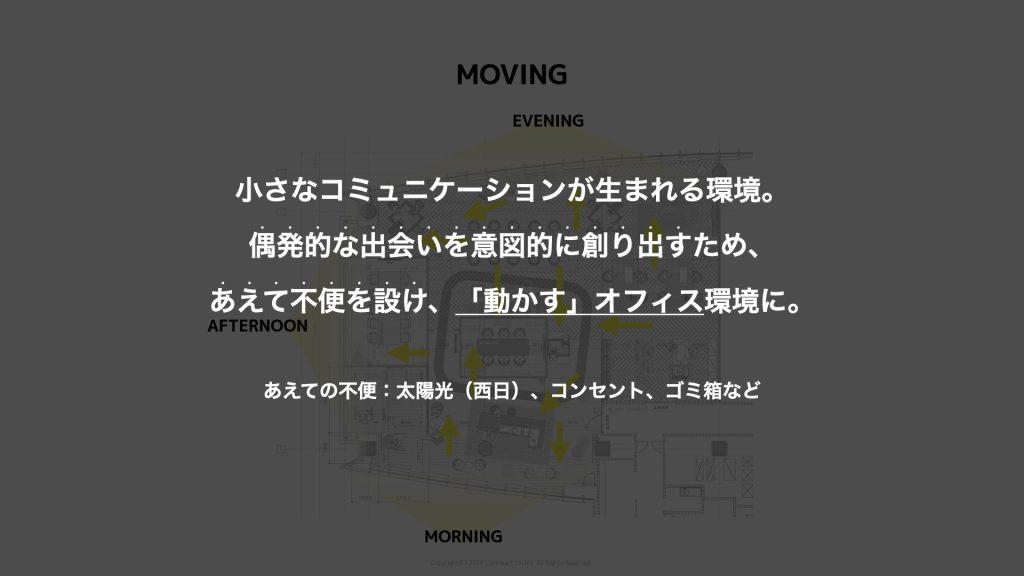
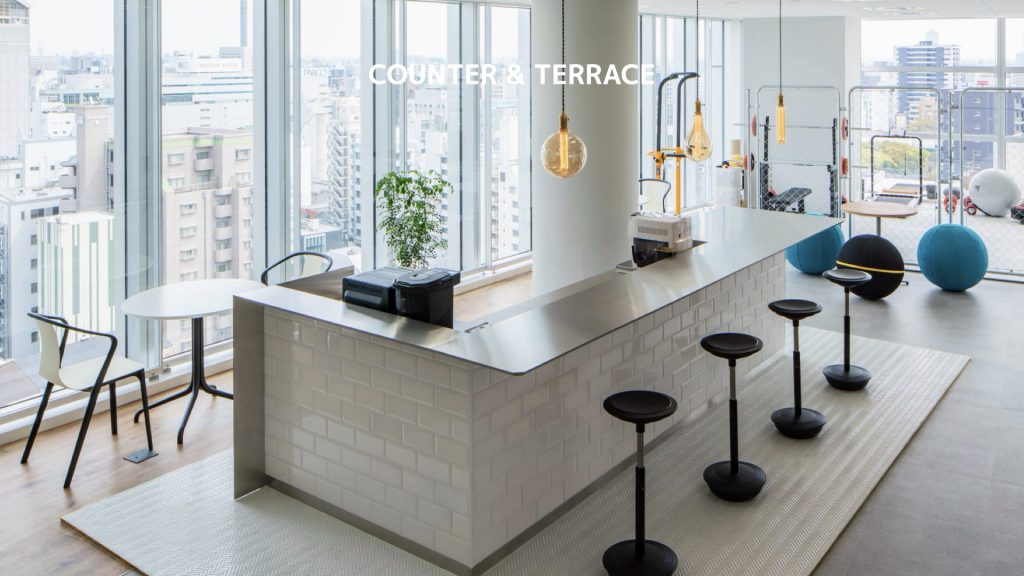
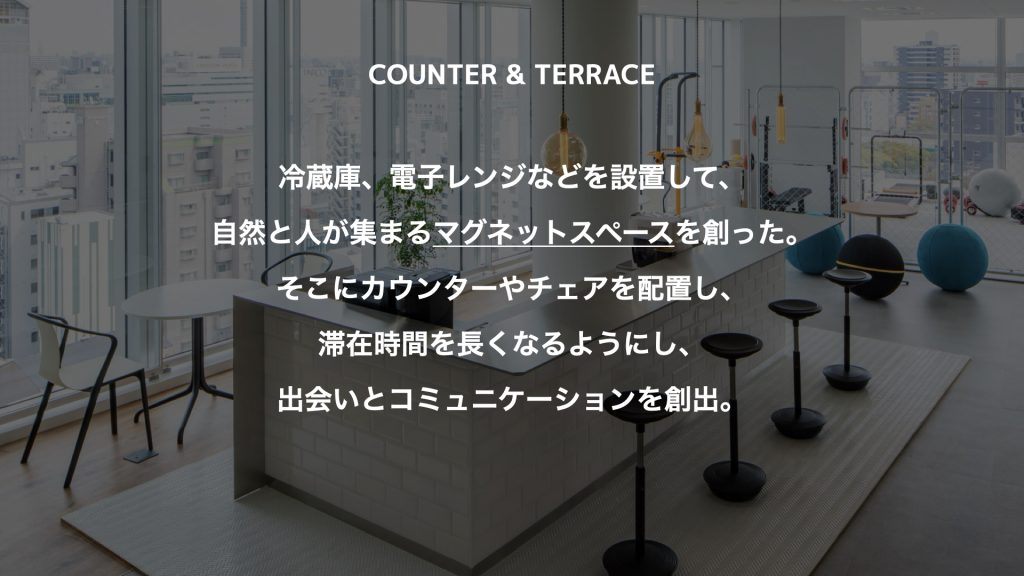
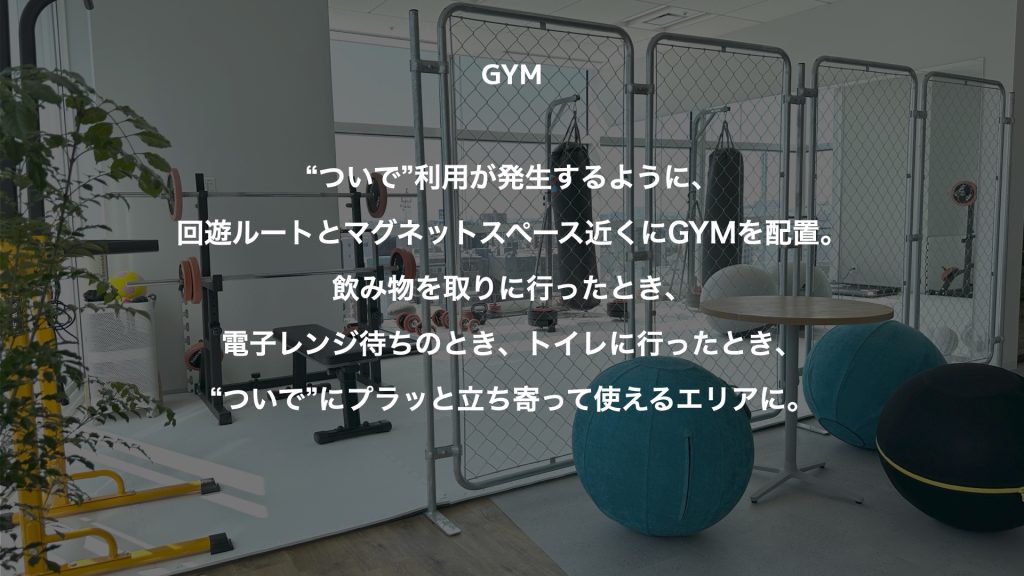
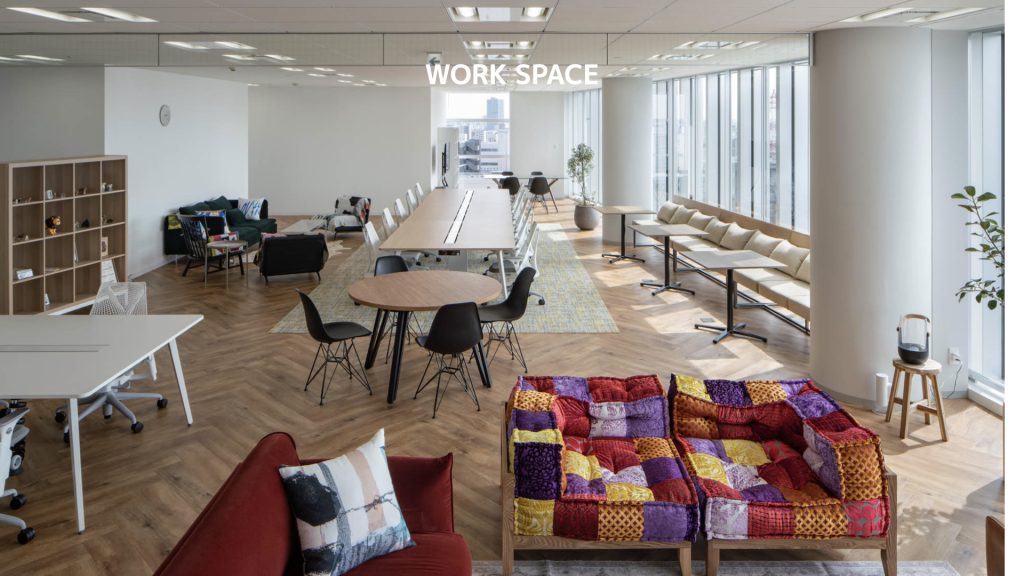
Mechanisms for moving people → With a free-address system, only two trash cans, and a "magnet space" where microwaves and refrigerators are centralized to encourage spontaneous interaction.
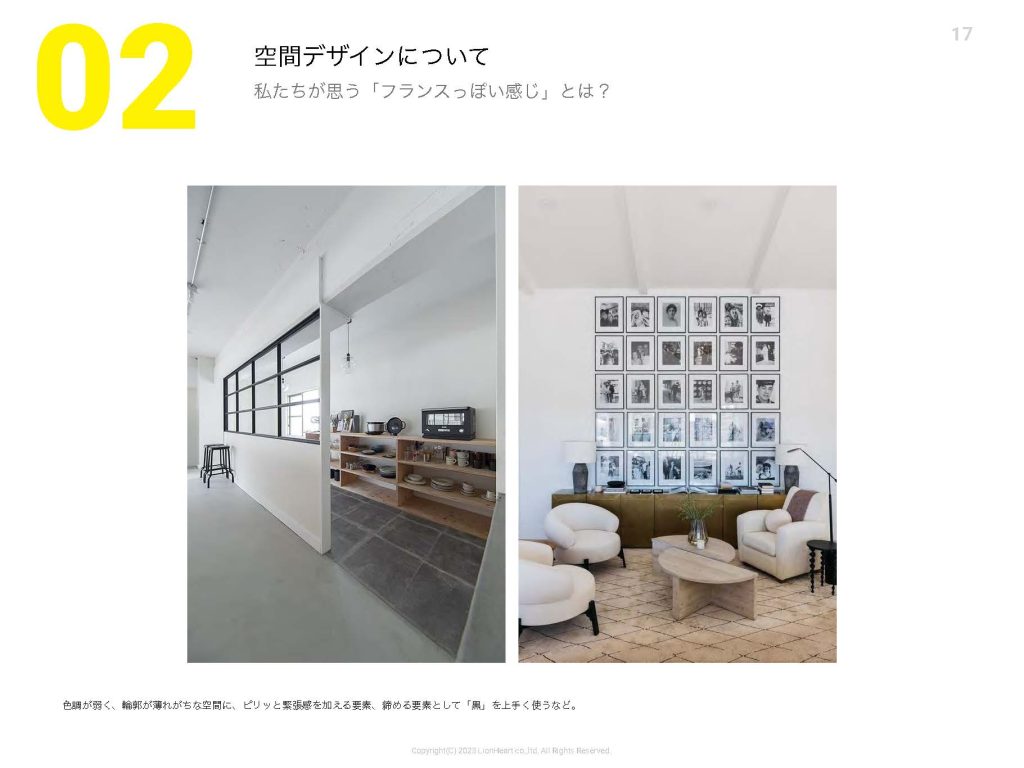
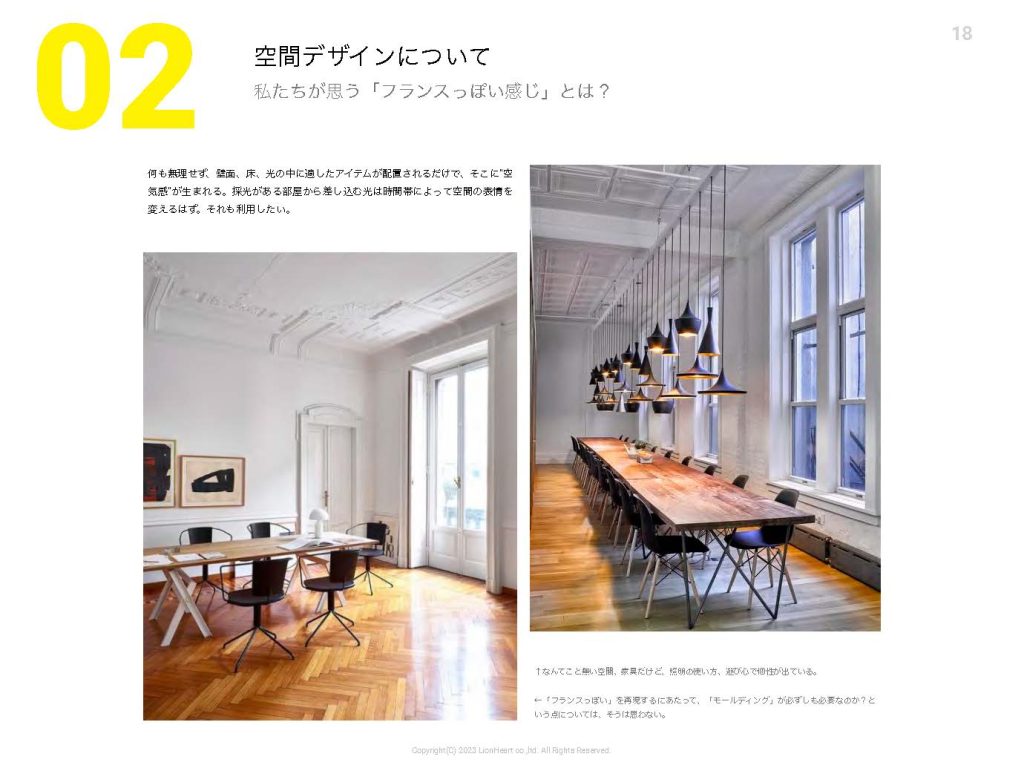
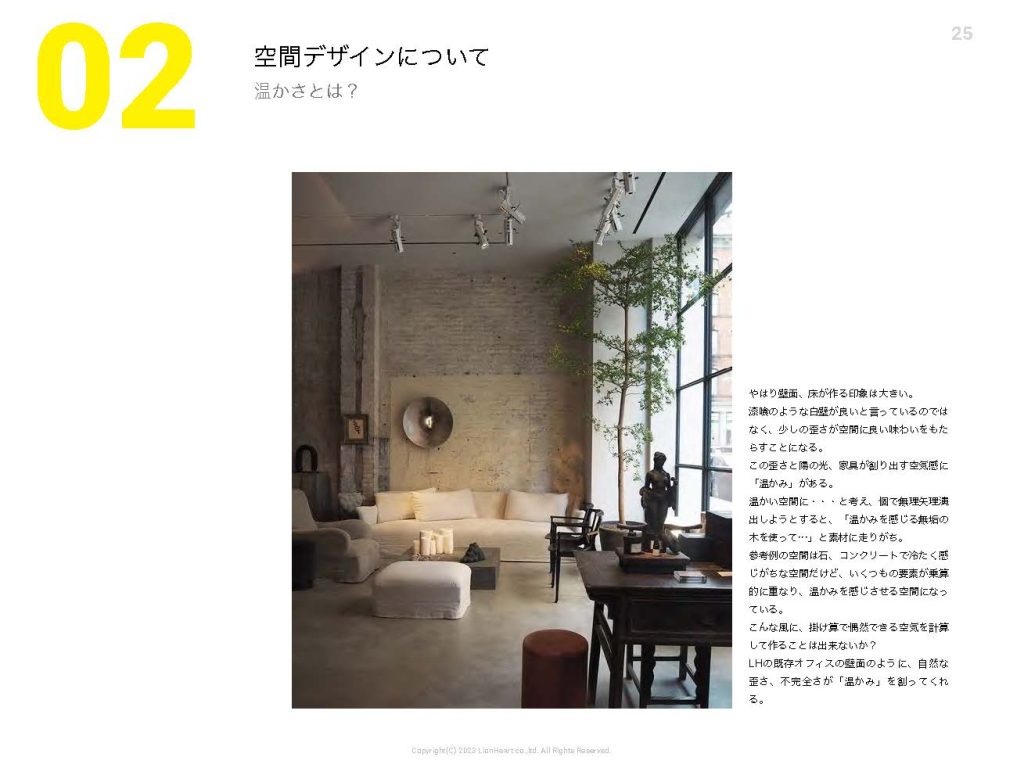
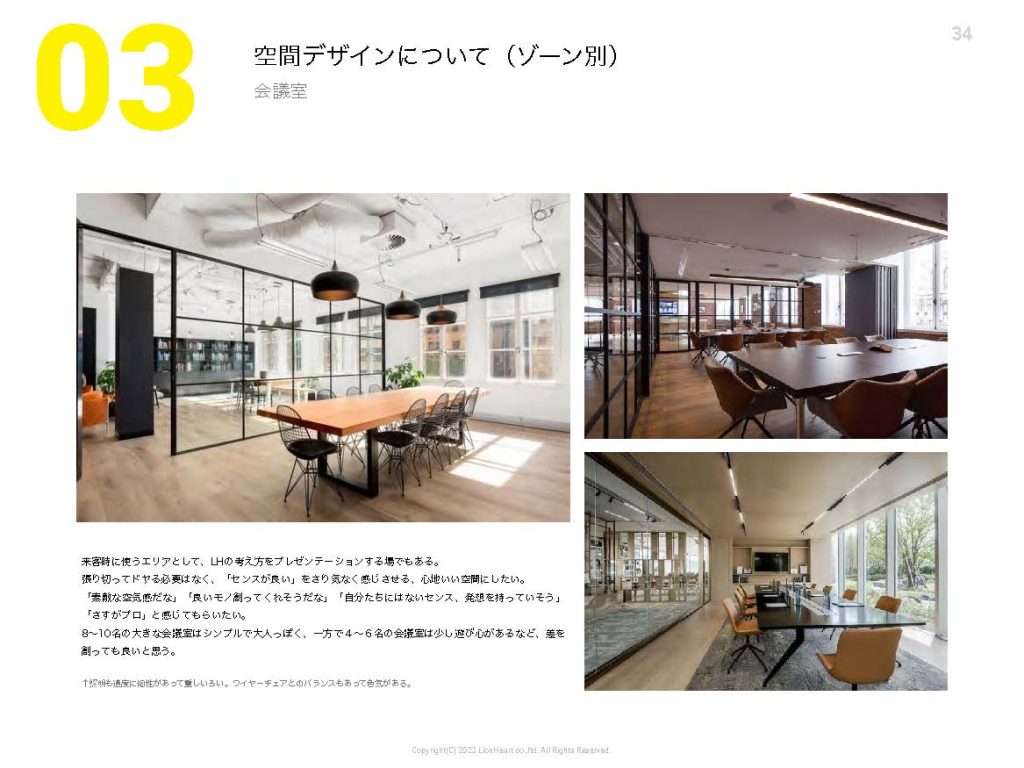
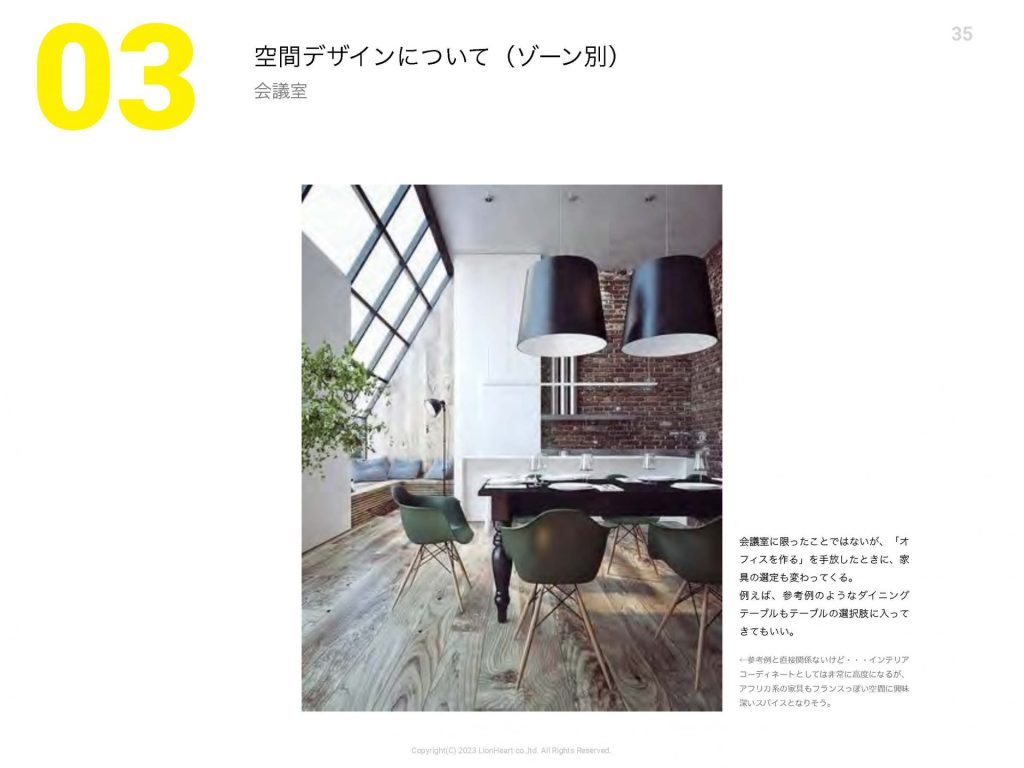
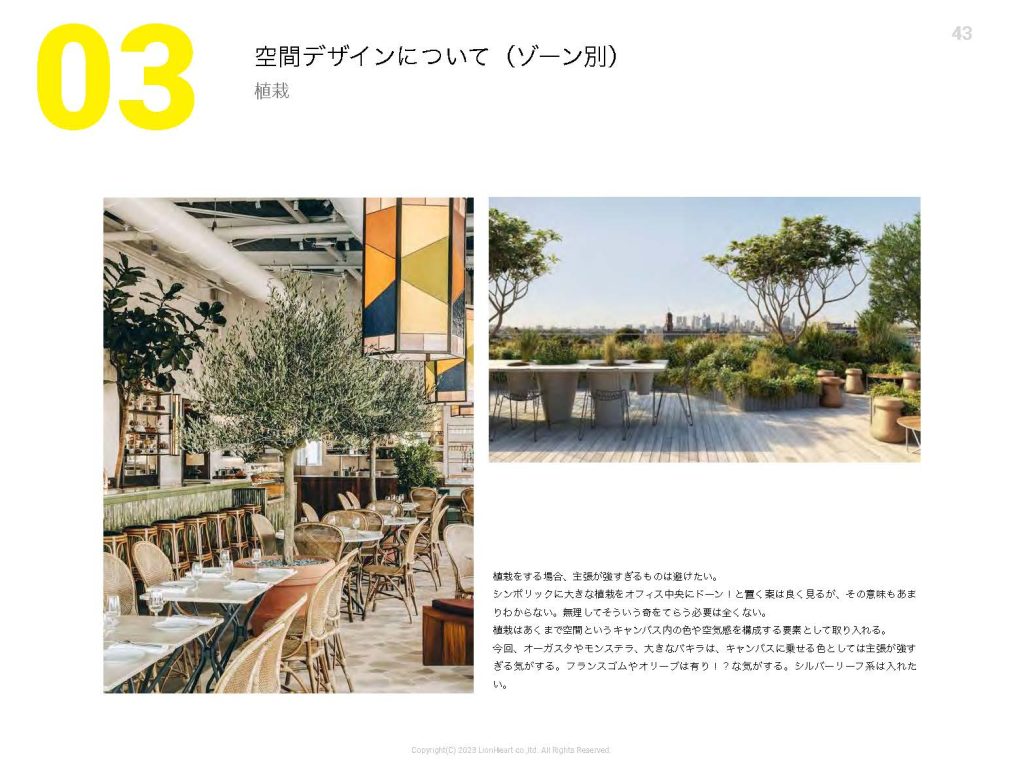
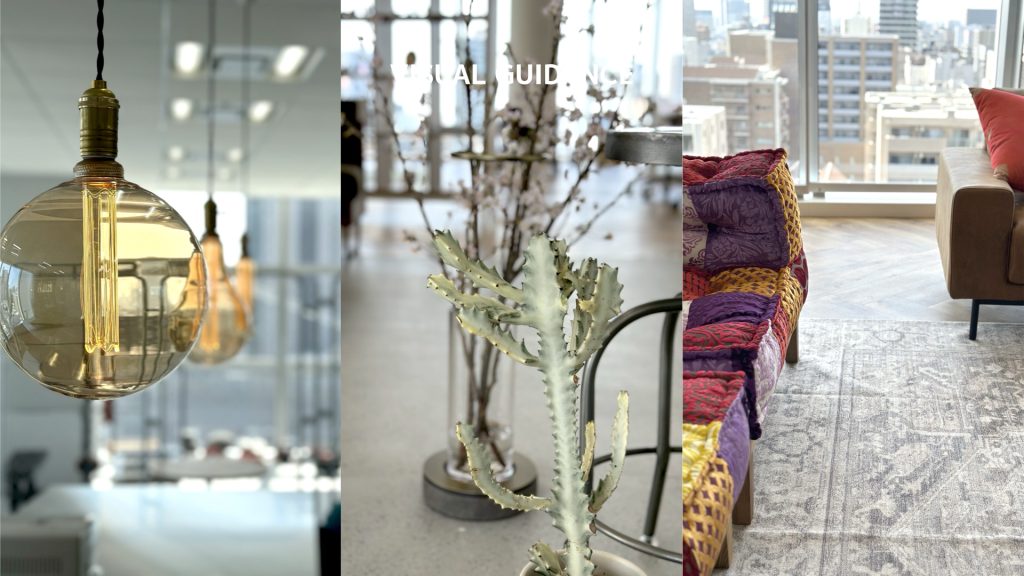
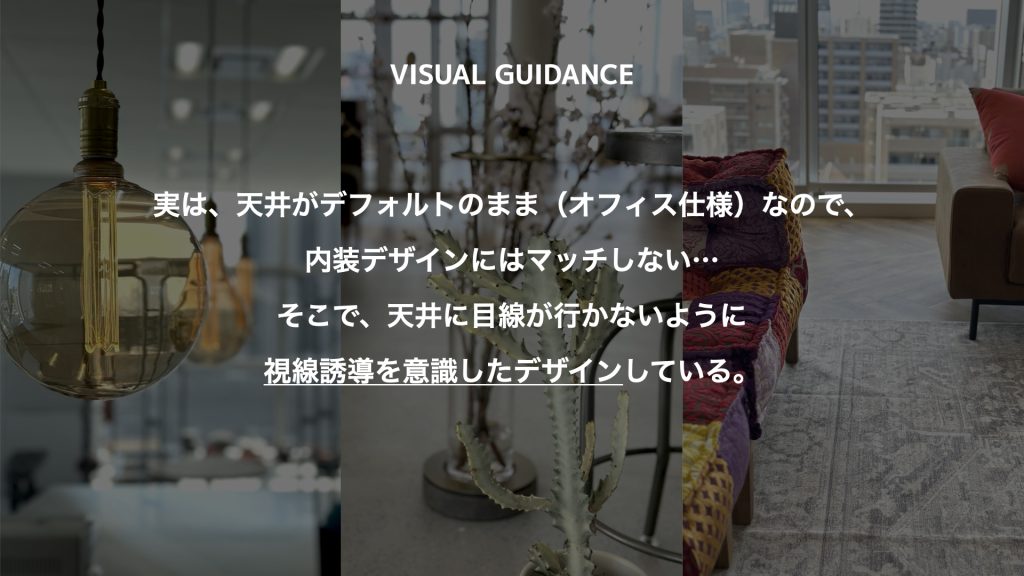
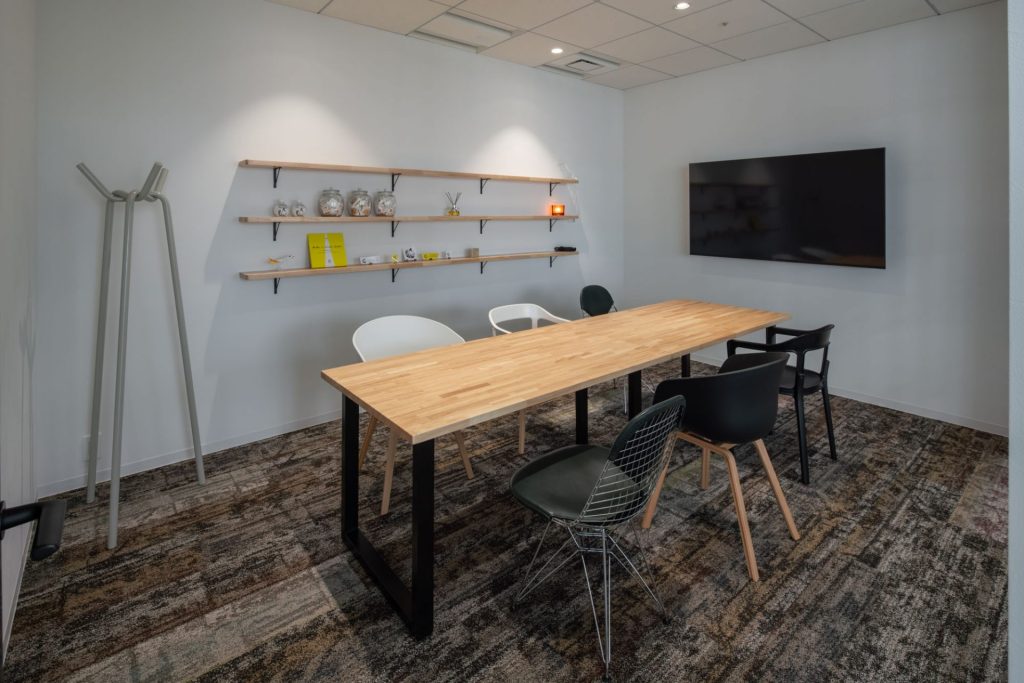
Brand embodiment → We incorporate design philosophies based on our values (principles and vision) throughout the space, creating a design that allows people to experience those values without even realizing it.
6. Effects That Can't Be Measured by Numbers
Since moving, there have been more spontaneous conversations and smiles within the company. And interestingly,The quality of hires has improved.It is.
In a clear example, the number of highly educated applicants increased. Also, it seems people are starting to think, “I’d like to work at a place like this,” and we’ve been getting more positive feedback from candidates who come in for interviews. In casual meetings, there is a very high probability that candidates will express their desire to advance to the next stage of the selection process, and one HR-related company has stated that this is a "significantly high number (percentage) compared to other companies."
It also had a positive impact on our sales. We try to have new customers come to our office whenever possible. That’s why we directly convey our philosophy-driven management, LH’s design approach, and “the importance of understanding objectives and challenges”—the office itself serves as a stage for our presentation.
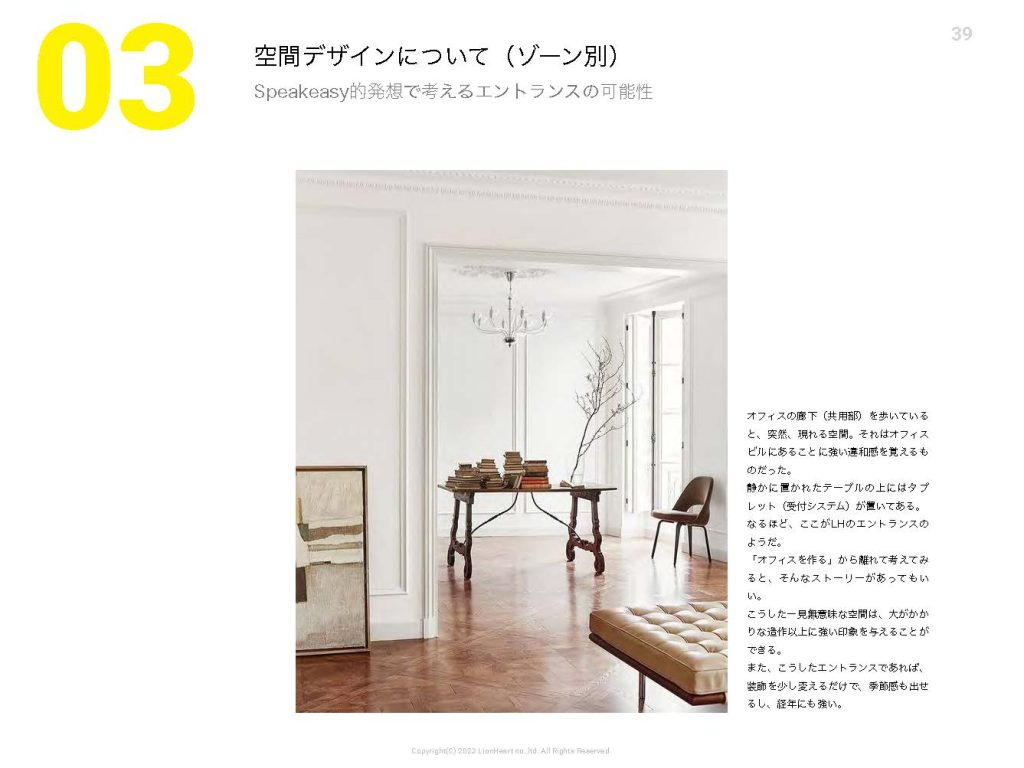
Visitors and potential hires can sense LH's values from the moment they step into the entrance. It sparked a new realization that "there are these ways to use an office" and made us interested.
7. The Office: A Engine That Drives a Company’s Future
When it comes to office relocations, to begin with...Thinking about the Future ProjectIs.
For example, unless we estimate the number of employees three years from now, we won’t even be able to determine the number of seats in the office area. Imagining our future clients, job seekers, and partner companies, we design our offices with the experience they will have when they visit them in mind.
In other words, if the vision is not clear, you cannot create an office that contributes to achieving that vision. Even if you resolve
This is precisely why it's essential to be able to answer the questions: "Why this location?", "Why this property?", and "Why this design?". Everything must be tied to the ideal future state.
Office projects exist in the present while imagining the future and bringing it to life—they are fascinating and exciting projects. And it is precisely that forward-looking approach that makes the officeA deviceIt changes into.
WRITTEN BY
Ichikawa Atsushi
Representative Director and Chairman
After starting his own business at the age of 26, he has over 20 years of management experience in the design and branding fields. In 2016, he moved with his family to the Philippines and established a local IT outsourcing company, leading its global expansion. Currently, as a "GLOBAL BRANDING AGENCY," he supports the growth of companies while also actively working on organizational reforms within his own company. Based on the real-world struggles and firsthand information he has faced in organizational development and overseas management, he shares practical branding and organizational theories that are thoroughly aligned with the perspective of business leaders.