


BLOG
Blog

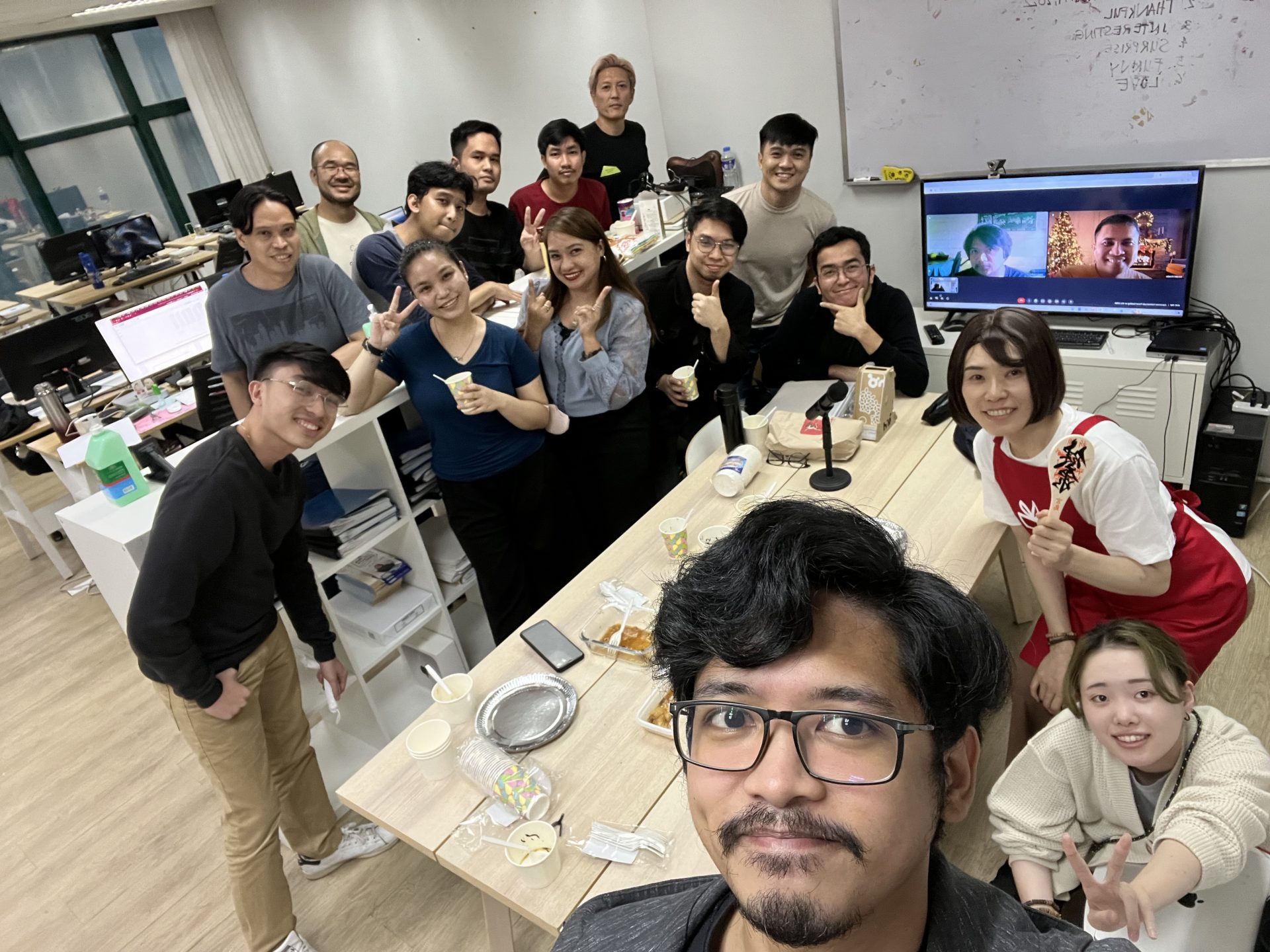
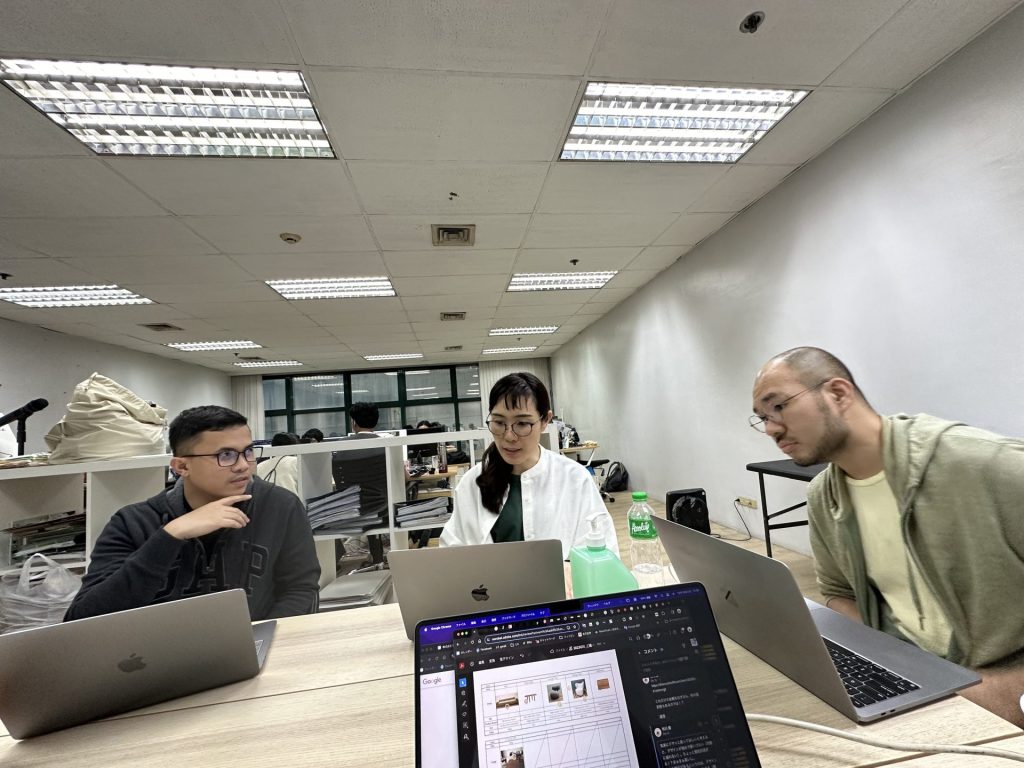
As a company, you may sometimes order employees to go on business trips, but have you ever considered how those employees feel when they are ordered to do so?
The reason for this is that, previously, when I asked an employee to "go on a business trip to the Philippines, where our subsidiary is located, for about a week to work with Filipino staff and engage in technical exchange," they refused, saying, "No."
"Wait a minute!? I thought business trips weren't considered work orders!?" The management and HR staff checked it multiple times (sweat).
So, this time, we conducted a survey of employees who were ordered to travel to the Philippines (Manila), where we also have a subsidiary. (This time, no one refused!)
One of them is a junior staff member at the company, and a designer who has never traveled abroad before.
The other person is the chief director, who has some experience traveling to the Philippines for business several years ago.
The differences between the two are also interesting, so please feel free to take a look at our company's reality.
Furthermore, we will also share comments from the perspective of a Japanese manager stationed at our Philippine subsidiary.
I'm worried about English (I only got 20 points on tests during my school days).
Concerns about hygiene (toilets, water, air)
Food-related anxieties (e.g., what if I get an upset stomach?)
Apparently, the anxiety far outweighed the excitement.
Rather than saying "the Philippines is...", it seems that the biggest source of anxiety is the fear of going to an "unknown place" with a different language and culture.
The staff member who flatly refused the work order mentioned at the beginning must have felt the same anxiety and fear.
When you think about it that way, the Japanese envoys to Tang China, John Manjiro, and Katsu Kaishu were truly amazing, weren't they?
Austria (I like Mozart and would like to visit Mozart's grave.)
Incidentally, I've never met anyone who has never been abroad and answered "the Philippines" to this question (lol). North America and Europe are the most popular destinations.
Just before their departure, there had been earthquakes and fires in the Philippines, and they were also concerned about their safety in terms of security.
Actually, the Philippines has active volcanoes and, although not as frequently as Japan, it is a country that experiences many earthquakes.
The Philippines also has earthquake resistance standards, and these standards apply to buildings constructed after 1992. However, supermarkets built in the 2000s have collapsed despite earthquakes of a magnitude within the range anticipated by these standards, which is worrying...
Also, if you search for "Manila" using keywords, you'll find a lot of information about its poor safety record, so it's not surprising that some people might think, "It's too scary, I'll just not go..."
The things I was worried about turned out to be much smaller than I had imagined.
Even though I couldn't speak English, I managed to get by with the words I knew and translation tools.
Even toilets without seats can be managed by using an imaginary squat.
The food was delicious.
I realized there are so many things you can only understand by experiencing them.
Among the staff who went on the business trip last time, there were some who were going abroad for the first time, and they seemed to have the same impression that "it's easier than you think."
I was surprised by the differences in the towns and the people.
One person, one task (like a doorman or an unusually large number of supermarket staff).
Because of the large population, cars and motorcycles (always carrying two people) were zipping around everywhere.
For those traveling abroad for the first time, Japan seems to be the primary point of comparison.
The "one person, one task" principle likely includes an employment contract, but it essentially means that each person is responsible for only one task.
For example, even if the hotel reception is crowded, no other staff member will come to help.
Having someone perform work not included in their contract constitutes a breach of contract, so be careful.
Yes.
...and the staff member who answered this question also confirmed, "Can I choose not to go?" (laughs). Apparently, the manager replied, "It's work."
Of course, we won't force you to do anything, but unless it's an unreasonable business trip order, refusing it would constitute a violation of work orders.
In that case, the company would honestly be at a loss, wondering, "This would be a violation of work orders, what should we do?"
This would be a violation of the employment contract and company regulations.
I was genuinely surprised, but I was also excited at the thought of being able to try all sorts of food and drinks.
This time I wasn't going alone, and we have a Japanese manager permanently stationed in the Philippines. Furthermore, our chairman, who had lived in the Philippines for about three and a half years to set up our Philippine subsidiary, was going to pick me up at the airport, so I probably didn't have much to worry about.
Also, I think it was a great advantage that we were able to obtain some information from staff who had traveled there previously.
When it comes to overseas business trips, companies need to carefully consider how to alleviate their employees' anxieties.
Toilet conditions in the Philippines.
The Filipino members seemed to be having a great time.
How to spend your time during your stay (schedule).
Everyone is concerned about the toilet situation overseas.
As anyone with extensive overseas experience will know, Japanese toilets are among the cleanest in the world, so it's difficult to surpass them on average.
By the way, there's a huge difference in toilet conditions between rural and urban areas in the Philippines...
People who tend to worry a lot have a lot of anxieties, but if you anticipate and prepare, you can feel at ease about most things. (How to spend your time inside - schedule.)
Having a Japanese manager stationed there, among other strong allies, should give you peace of mind.
I hope you enjoy this challenge, which is different from the usual.
It's strange how everyone who goes there says the same thing.
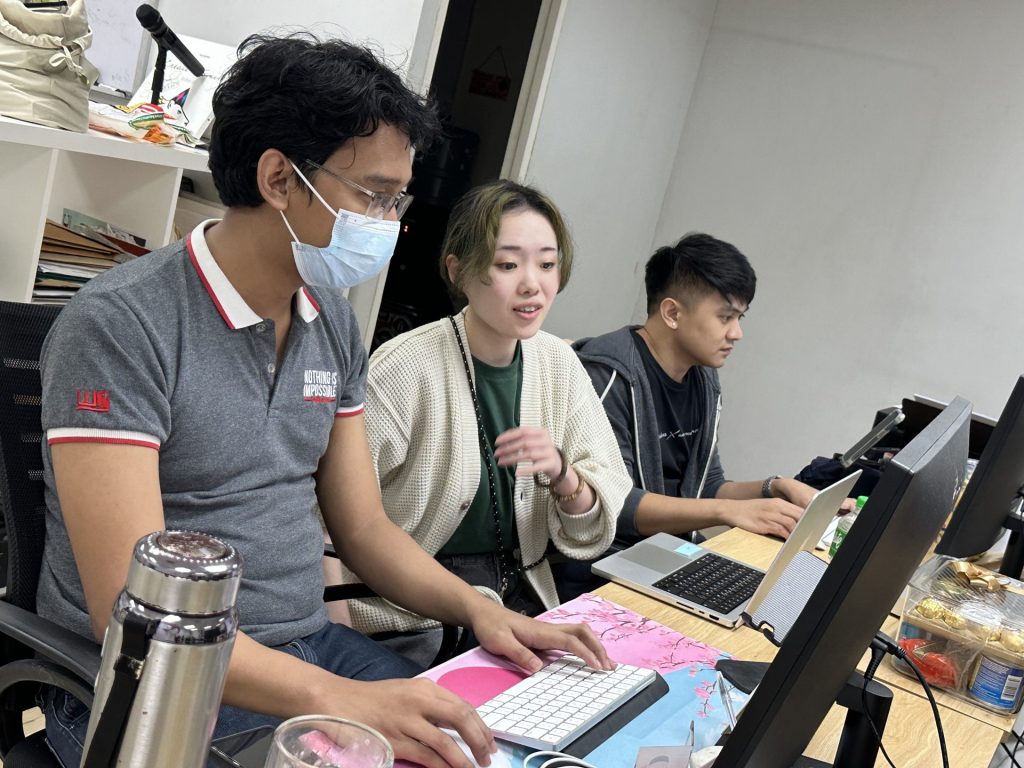
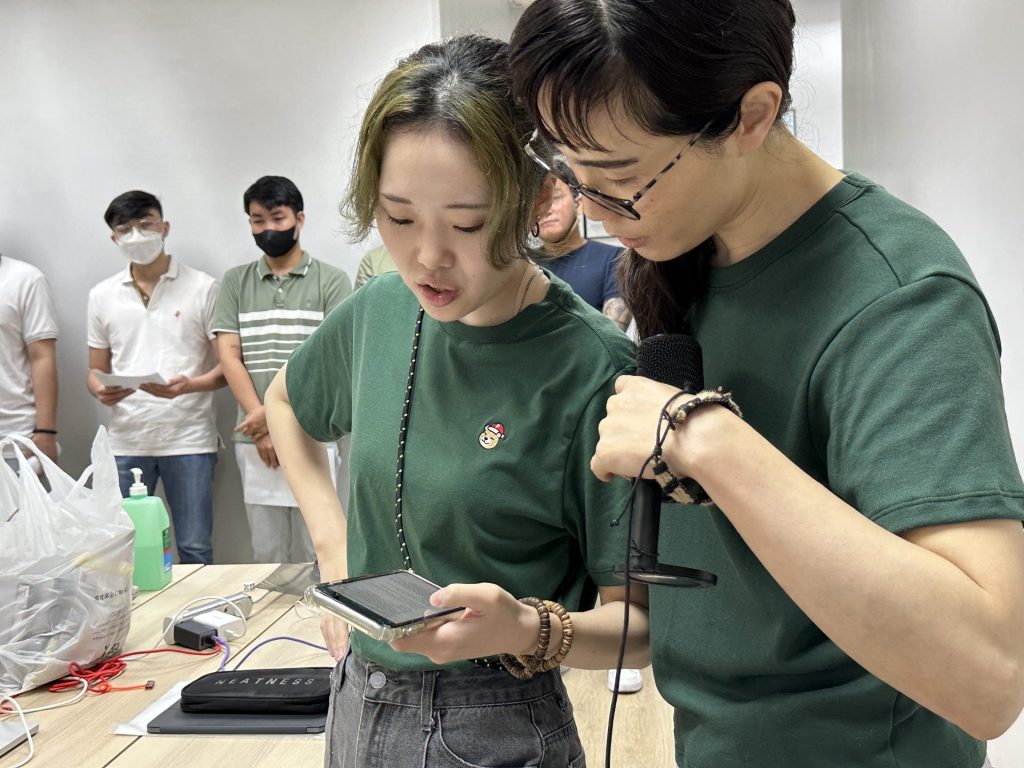
This staff member said, "I do long to go abroad, but I also feel anxious about actually going... so I end up thinking, 'I might as well stay in Japan.'"
It's true that Japan has four distinct seasons, abundant natural beauty including mountains and the sea, many historical buildings, major cities, delicious food, and is clean and safe, so I can understand why people might think that way.
However, this prevents you from gaining experience in viewing and understanding Japan from an outside perspective, and it also prevents you from broadening your horizons by seeing other countries.
If you go abroad, you'll notice Japan's shortcomings and regrettable aspects, but you'll also notice many of its wonderful qualities.
Creating opportunities for young people, who will be the leaders of the next generation, to view Japan from an outside perspective is an important matter that concerns Japan's future.
Initially, I struggled greatly with setting objectives, but once I decided on them, I was able to narrow down what I would work on on-site without hesitation. Also, having a clear goal allowed me to prepare in advance.
A Japanese manager stationed in the Philippines told me, "Why not set a personal goal you want to achieve?", which allowed me to envision a wonderful future and participate in a very positive and exciting mood.
I had intended to talk to as many members of the Philippine subsidiary as possible, so it was good that I was able to form an image of them beforehand.
The purpose of my first business trip was to "raise awareness of the existence of our Philippine subsidiary" and "raise awareness of the Philippines as a country." It was essentially a case of "the Philippine subsidiary inviting members of its parent company, the Japanese subsidiary." As a result, it inevitably turned out to be a passive business trip.
To encourage staff to proactively gain insights and learn, it's important to have them set their own goals.
Becoming a chief and learning the importance of taking initiative were the lessons I learned during that business trip. At the time, I was happy to be able to participate, but it was a very passive and dependent business trip.
Last time, I didn't have a purpose. Because I was unplanned, I went with a lot of work to do and wasn't prepared to fully enjoy my time there. As a result, I was tired and had a negative mindset, thinking things like, "Ugh, it's so dirty," and "The air conditioning is too cold."
My interest in overseas countries had grown. Through regular interactions with Filipino members and learning English, my interest in the world had increased. I was able to view myself and Japan a little more objectively, and my desire to see the world from various perspectives grew stronger. My fear of foreigners also disappeared.
It was my first time working in a pair with an overseas staff member. I think what really helped was when they told me, "We want you to show your junior colleague a more disciplined side."
Unlike his first business trip to the Philippines, this chief seemed to be taking initiative and demonstrating a proactive attitude towards making the trip worthwhile.
It seems that what one gains from overseas business trips varies greatly depending on each person's stage of growth (such as changes in their position or mindset).
My biggest wish is to deepen my conversations with the Filipino team members. I want to get to know them better by chatting about their backgrounds, bringing work-related matters to them to ask for their help and advice, and listening to their ideas. I wish we could have gone out for meals together about three more times.
I want to fully enjoy a beach resort. I want to swim with manta rays.
The Philippines has beautiful seas and beaches, but they are actually far from the capital, Manila (Makati), and require travel by plane, bus, or boat.
Also, whale sharks and thresher sharks might be more famous than manta rays!
Gaining my family's understanding. My husband is the type of person who willingly sends me off, but since I'm the one who actually does most of the housework, I thought it would be difficult for them if I were gone.
This chief agreed to go on an overseas business trip despite having elementary school-aged children.
The company can simply order employees to go on business trips, but of course, employees have various circumstances they need to consider.
We mustn't forget that this wouldn't have been possible without the cooperation of our employees and their families.
Japan is safe and clean. Its transportation system is incredibly well-developed, allowing you to get anywhere quickly.
In Japan, you can get education, food, and housing.
In Japan, you can receive high-quality services for free.
Things that are taken for granted in Japan are not necessarily so overseas.
I think just being able to notice that is a big step.
I was surprised by the large number of young people and their energy in the Philippines. On the other hand, Japan's economy is getting weaker and weaker due to its declining and aging population, and it will soon be overtaken by other countries. I'm scared because it seems like things will change suddenly and drastically. There is a lack of sense of crisis regarding this.
Because everything is so domestic, I think it's difficult for children to imagine themselves connected to the world. I want to create more options for them to go out into the world.
If we take a positive view of Japan's declining birthrate and aging population, it might be able to demonstrate some survival strategies ahead of other countries.
Going abroad and seeing Japan objectively has made me feel a sense of crisis.
If more young people start to view Japan from an outside perspective, the future of Japan might change. As a company, we want to create opportunities for that to happen as a way of contributing to the future.
Hotel facilities and comfort level.
These are real accounts of the hectic schedules involved in traveling abroad.
When I started preparing things like renting Wi-Fi, there were so many things I wondered, "Wait, how do I do this again?", so being able to ask someone with experience was incredibly helpful and reassuring.
Aside from backpackers and experienced travelers, many people care about the quality of their hotel.
It seems that anything that looks dirty or looks like it might attract cockroaches is a no-go.
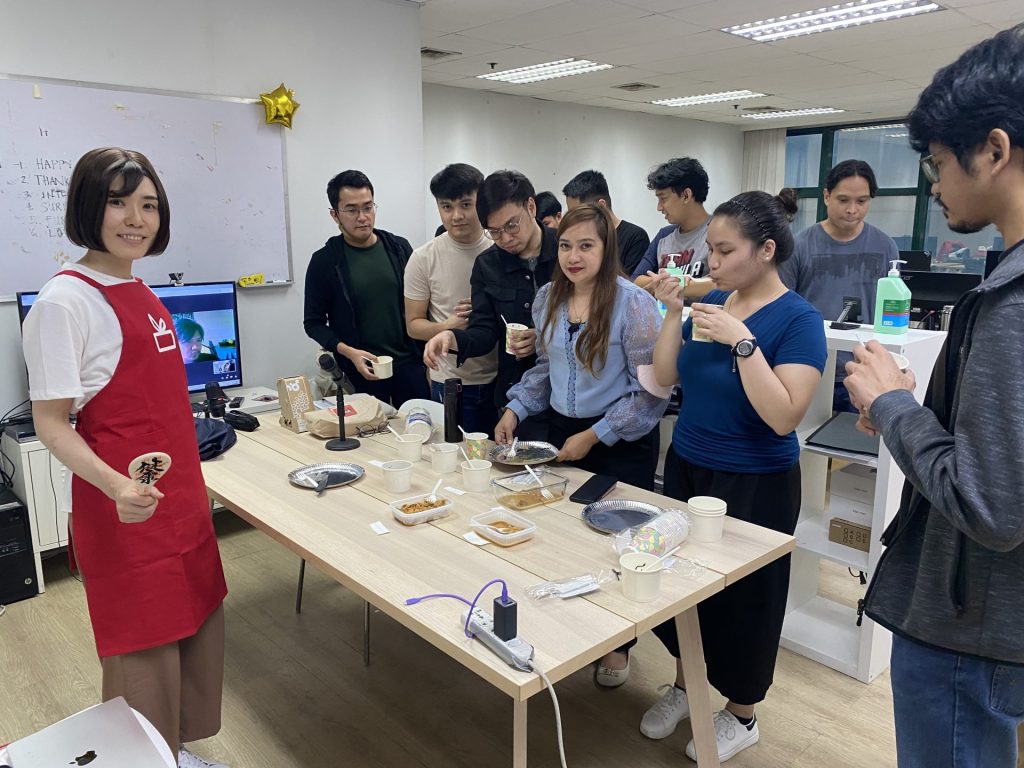
When our staff travel to the Philippines, we make sure they see the slums. Makati, the city in Manila where our Philippine subsidiary is located, is a financial business area—a major metropolis. The white-collar workers there (including our staff) are all people who have received a certain level of education from universities or vocational schools, which is a privileged status for Filipinos. We want them to see the other, more realistic side of the Philippines, rather than just seeing this one aspect and thinking they understand it.
Our Japanese manager, who is stationed in the Philippines, has been there since 2016, but this was actually his first time on a slum tour.
I had heard about such places and what kind of environment they were, but seeing them for myself was a different experience.
I was reminded once again that the members of the Philippine subsidiary are people who are relatively well-off or who have worked hard within the Philippines.
I realized how fortunate I am to be in an environment where education is readily available.
Even within our limited environment, I felt that the "Let's Enjoy" spirit (our group's culture) was important.
I still can't think of anything specific, but I think this has given me a chance to think about what I can do to contribute to the Philippines.
Our company books tours through organizations that support slum areas.
The funds raised will become part of the organization's activities, and will be used for things like providing food supplies and supporting children's education.
Incidentally, our company chairman takes all sorts of people on slum tours, and apparently he's been told, "You don't need to pay the participation fee anymore."
I realized that whether or not you are actively involved in your trip to the Philippines makes a huge difference in how you act.
Regarding the chief, who was on his second trip to the Philippines, the first time he came, even something as simple as "What do you want to eat?" was that he simply accepted whatever was given to him and cautiously put it in his mouth. However, this time, he seemed to be challenging himself in many ways, not just with food, wanting to try this and that.
The combination of managers and regular employees in the group made it easy to understand the relationship between "independence" and "dependence" as described in Vision Psychology. Being dependent isn't inherently bad, but I hope this trip will be a good opportunity for them to become aware of their dependent state and move towards independence.
Perhaps the key is to be proactive rather than passive. Therefore, companies need to be mindful of creating mechanisms to encourage proactive behavior.
First and foremost, we want our guests to have a good time. This is because a negative experience can overshadow any valuable learning or experience they might otherwise have.
We would be delighted if you could embody our company culture, which is based on the spirit of "Let's Enjoy."
I hope this will lower the barriers to interacting with members of our Philippine subsidiary. Filipino members are also interested in and willing to connect with Japanese members, and even if you feel insecure about your English skills, you'll find that you can communicate surprisingly well.
I want you to understand the importance of goals. Goals are important to prevent things from ending with just "That was kind of fun." Instead of setting goals that feel like obligations, try setting positive goals that make things even more fun, like "This would make it even more enjoyable."
This isn't limited to the Philippines, but overseas countries are different from safe and clean Japan.
Naturally, cultures and customs differ. Many of our staff are unfamiliar with overseas travel, so we make sure to provide them with thorough support during their stay.
I feel that the "law of familiarity" holds true not only in Japan but all over the world. When I have online meetings with Japanese members I've met in person, the expressions on the faces of the Filipino members also seem brighter.
Many of our members joined the company knowing that our parent company is Japanese, so they are already interested in Japan. Therefore, I think they appreciate being able to communicate with our Japanese members outside of work.
There is a lot of information that cannot be grasped through video chat.
When you communicate in person, you realize how important intangible things like the atmosphere of the moment are.
I want you to actively enjoy it.
Please don't hesitate to communicate with the Filipino members.
I want you to set exciting goals and use them as opportunities to get even a little closer to achieving them.
I believe that interacting with people from diverse cultural backgrounds and with different ways of thinking, and immersing yourself in such environments, can broaden your perspective, so I encourage you to try out various challenges.
This message comes from the experiences and lessons learned by the manager who has been stationed abroad for a long time.
(Actually, the Philippines was his first time abroad.)
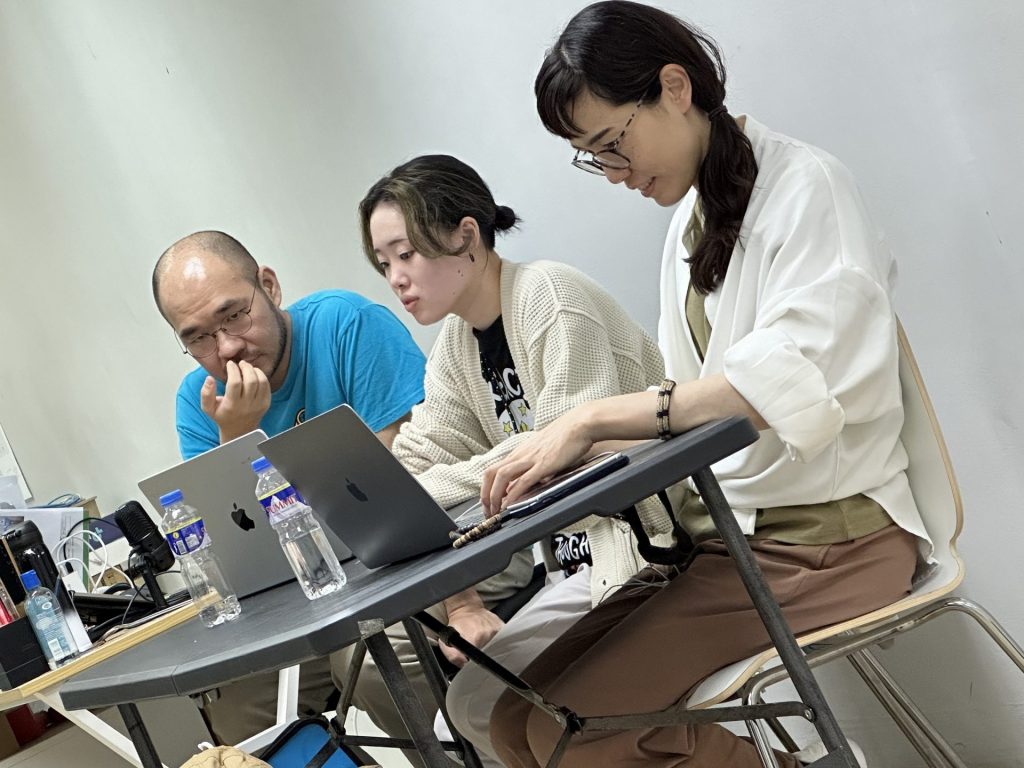
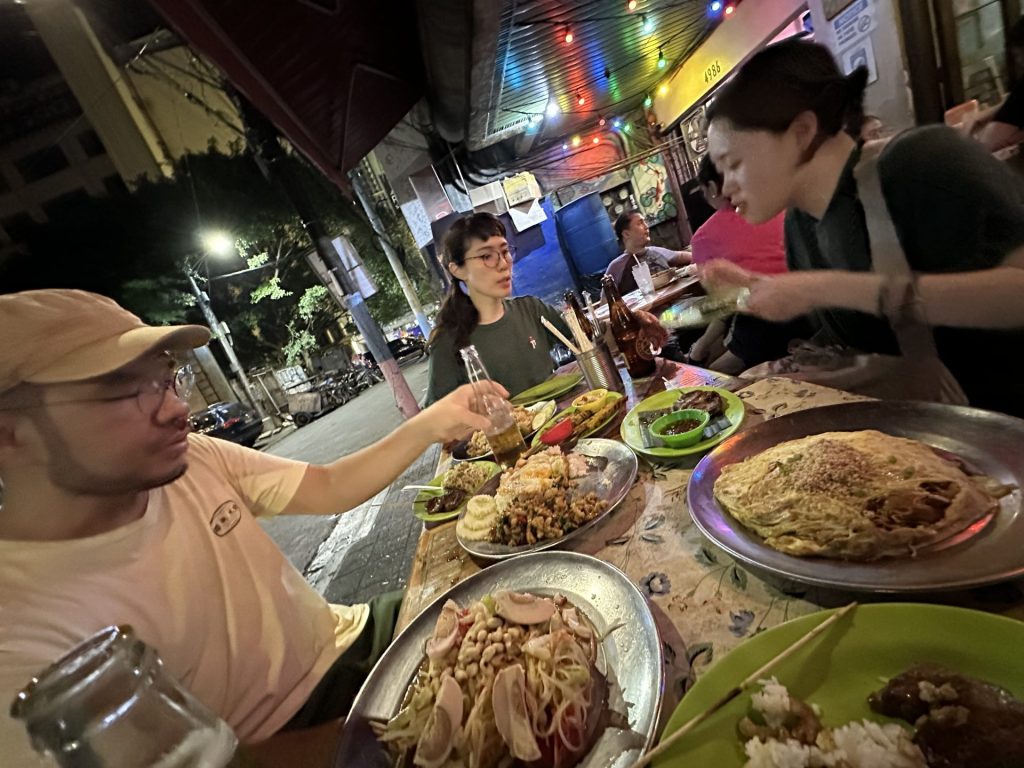
This time, the survey results provided insights from three different perspectives: a regular employee who was going overseas for the first time, a chief who was in the Philippines for the second time, and a manager who had been stationed in the Philippines for several years.
Furthermore, it was an interesting read that gave us insight into the perspective of the employee who was ordered to go on a business trip, even if it was a work order.
From the company's perspective, it's important to consider not only the results of the work itself, but also, "What kind of business trip will be beneficial to the employee's life?"
Blogs in the same category
Same Category

# Management
Developing an AI-powered project management tool in-house — The faster we create things, the more important it becomes to understand "why we are creating."

# Management
The reason why I've started wanting fewer things and why I can't put my purpose into words are probably the same thing.

# Management
What a business leader should really do when they realize, "I can't compete with him."