Branding can be divided into several types depending on whose "special presence" you aim to be.
Corporate branding
This initiative aims to make the company itself a special entity for customers, business partners, and society. It involves aligning all touchpoints that create the company's image—from articulating its philosophy and vision to its name, logo, tagline, and website—with a single, cohesive approach.
Product and service branding
This is an effort to make a specific product or service something that the target audience will choose for a reason. Through naming, packaging, and promotional tools, we give shape to value that cannot be conveyed by function alone. Even a single name can change the impression and sales. When it comes to naming, instead of immediately coming up with candidates, the quickest way to start is to decide on the purpose and target audience—"why change the name" and "who you want to communicate what to"—beforehand.
Inner branding
This branding strategy focuses on internal stakeholders, such as employees. It aims to instill the management's vision and the company's values throughout the organization, creating a situation where employees can speak about the company in their own words.
The way you communicate can change the meaning of the same job. For example, instead of asking an accounting staff member to "enter this data into this software," you could ask them to "create time for me to focus on my core responsibilities." Even though the task is the same, they understand how their work supports the company, and they can work with pride. At events where employees invite their family and friends to the office, you might hear comments like, "I felt proud to work here."
Like traditional Chinese medicine, it works gradually and doesn't have immediate effects, but it's an essential approach for transforming an organization over the course of years.
Lionheart itself, shortly after its founding in 2004, was still groping in the dark, unsure of how to manage its business. It was in this context that it relied on the management philosophy of successful companies. This philosophy, known as "philosophy-based management," established a shared set of values and served as the basis for daily decision-making. Looking back, this was our first step in internal branding. This practice, refined through trial and error as our organization grew, forms the foundation for supporting our clients' internal branding efforts.
Recruitment branding
This initiative aims to make your company a special place where job seekers think, "I want to work here." If there's a disconnect between how you present yourself externally and the reality inside the company, even if you manage to hire someone, it can lead to early departures. Unlike sales tools, recruitment tools convey the "people inside" the company. It's important to consider them in conjunction with internal branding.
Office branding (branding of the space)
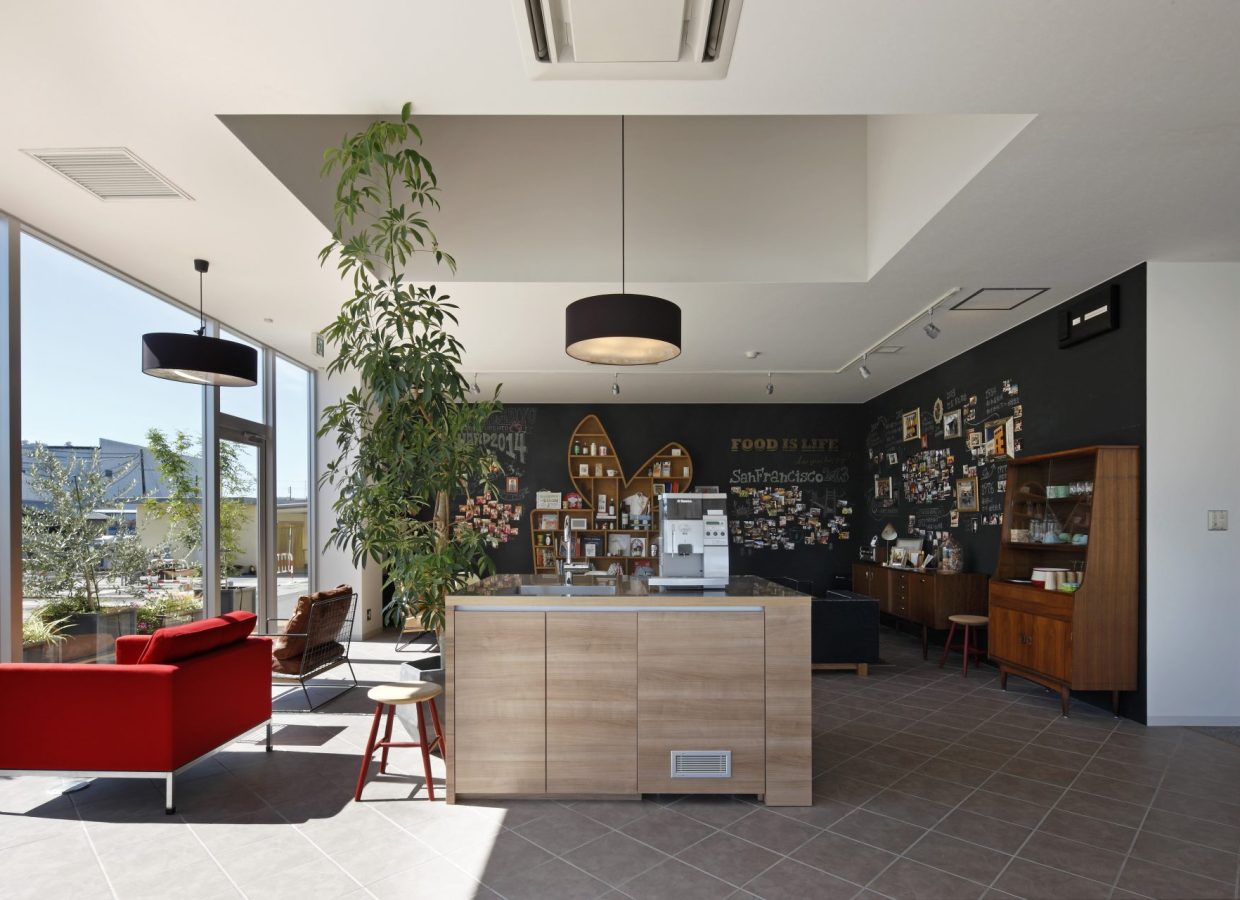
This initiative involves designing offices as spaces where the brand can be experienced. The office becomes a medium that speaks more eloquently than words to visiting clients and job seekers about the company. You don't need to relocate or completely renovate; you can start small by focusing on areas that visitors inevitably pass through, such as the entrance or meeting rooms. The important thing is to start by clarifying the philosophy of "what do we want to communicate through this space?" before even considering the interior design.