


BLOG
Blog

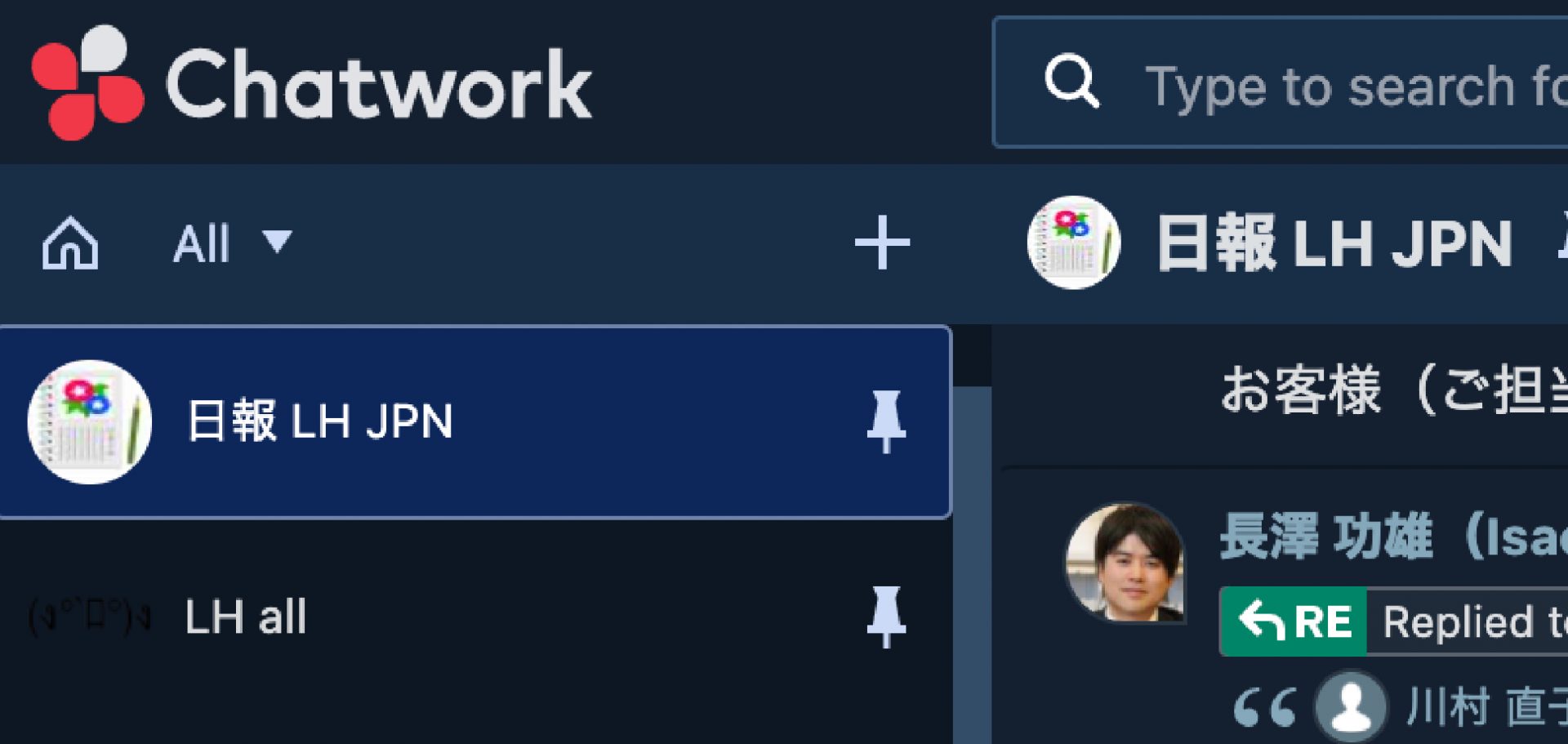
We submit daily reports every day.
People are often surprised when I say this, but the reason is that I find it extremely difficult to continue.
It seems that many companies, despite recognizing the need for morning meetings, are hesitant to implement them due to various factors such as past experience, industry, job type, and company culture.
Of course, the points mentioned above cannot be ignored, but it is necessary for management and middle managers to understand the objective, commit to it, and get the cooperation of the staff.
For the staff, the morning meeting has virtually no purpose.
Of course, as you continue to use it, you might come across situations where you think, "Morning meetings were really useful in this situation," but it takes some effort to make people feel that way.
Therefore, the first step is for the management team to have a clear objective.
While a "let's just try it" approach is acceptable, it doesn't allow us to address any questions or concerns from the staff.
Imagine the reaction of your staff when you tell them, "Starting today, you'll be writing a daily report every day!" (wry smile)
In our case, since we strive for management based on our values, our primary objective was to instill those values (our philosophy, etc.) into our company.
Therefore, the content of the daily reports mainly focuses on the company's philosophy.
First of all, you can't decide on the content until you've decided on the objective.
Reports on sales and work progress may be common, but it's dangerous to adopt them simply because they're common.
Can you explain to the staff member who takes the time to write it down that it "just kind of looks like a daily report"?
We ask our applicants to write about episodes related to our philosophy of "creating smiles" and the guiding principles we value: "respect, honesty, and self-accountability."
in particular,
Episodes from today where you were able to "create smiles" or where you were unable to "create smiles"
Actions taken based on one of the following: respect, honesty, or self-responsibility.
And so on.
Additionally, we ask employees to report how much time they spent on what each day, which allows them to communicate their activities to their colleagues.
What if you spend time writing and submitting a daily report, only to receive no reaction at all...?
Aren't you sad?
Responding to daily reports is mandatory.
Having someone watching (or showing interest in) your work is an absolute necessity for continuing it.
Our president comments on each employee's daily report.
Actually, the act of writing comments is also a great learning experience.
In our case, since our goal was to instill our company philosophy, it was also necessary for the president and management team, who are the top executives of the company, to deepen their understanding of that philosophy.
By consistently providing comments every day, you'll not only deepen your understanding of the philosophy, but also refine the accuracy of your feedback.
As a result, we achieved a significant benefit: the growth of the company's top management team had a positive impact on the company as a whole.
From an internal branding perspective, we recommend that management take the lead in providing comments.
It's rewarding to receive feedback not only from management but also from colleagues.
However, simply saying, "Go ahead, feel free to react (comment)!" doesn't always work.
Sometimes, situations can arise where it's difficult to manage, such as when the voices of a few individuals become too loud.
Therefore, we have implemented an initiative called "Morning Meeting Lite," where we select the previous day's daily reports and comment on each other's.
For daily reports, you can use a dedicated tool, Google Workspace, or anything else you like.
However, one thing to be mindful of is the cost involved in introducing new tools.
Besides the cost, learning how to operate new tools and using new tools in addition to those you've been using can be a major source of stress.
Therefore, we decided to select tools that we use on a daily basis that are easy to use for morning meetings.
While tools like Google Workspace are convenient, managing everything manually would result in an enormous amount of data. I also considered that there wouldn't be many opportunities to use past daily reports as an archive.
Furthermore, mutual understanding was also an important objective for us, so it had to be a tool that could be easily shared.
Therefore, I decided to submit my daily reports using "Chatwork," a chat tool I use regularly.
Since it's a casual tool like chat, I thought the barrier to posting and reacting would be low.
In fact, Chatwork has a reaction function, and you can react using emoticons.
In case you need to review past daily reports, there is a text search function, so I judged that it meets the minimum requirements for a daily report system.
There are also dedicated tools available that offer a variety of features for daily reports.
While its high functionality is appealing, it's important to consider whether you'll actually utilize it to its full potential and whether it will cause stress for your staff. It's crucial to return to your original purpose when selecting a tool.
I can't say for sure what method is best for everyone, but the key is to choose something that has low barriers to entry and operation.
When used effectively, daily reports can be a powerful tool for promoting internal branding.
However, it's meaningless unless it's continued, and in order to continue, the objectives must be clearly defined, and the management team must be committed and involved.
Depending on the size of your company, I recommend at least appointing someone to promote daily reporting and continuing to make creative and innovative efforts to implement it.
It will take time, but the power of daily consistency is incredible, and like traditional Chinese medicine, it will gradually show its effects.
Blogs in the same category
Same Category

# Management
Requests for "cleaning up after AI" increased by 87%. The reason repair work is often undervalued is because there isn't a "correct" solution before the repair is even done.

# Management
The reason internal branding isn't taking hold isn't the employees' fault. It might simply be that management "hasn't taken action yet."

# Management
Developing an AI-powered project management tool in-house — The faster we create things, the more important it becomes to understand "why we are creating."